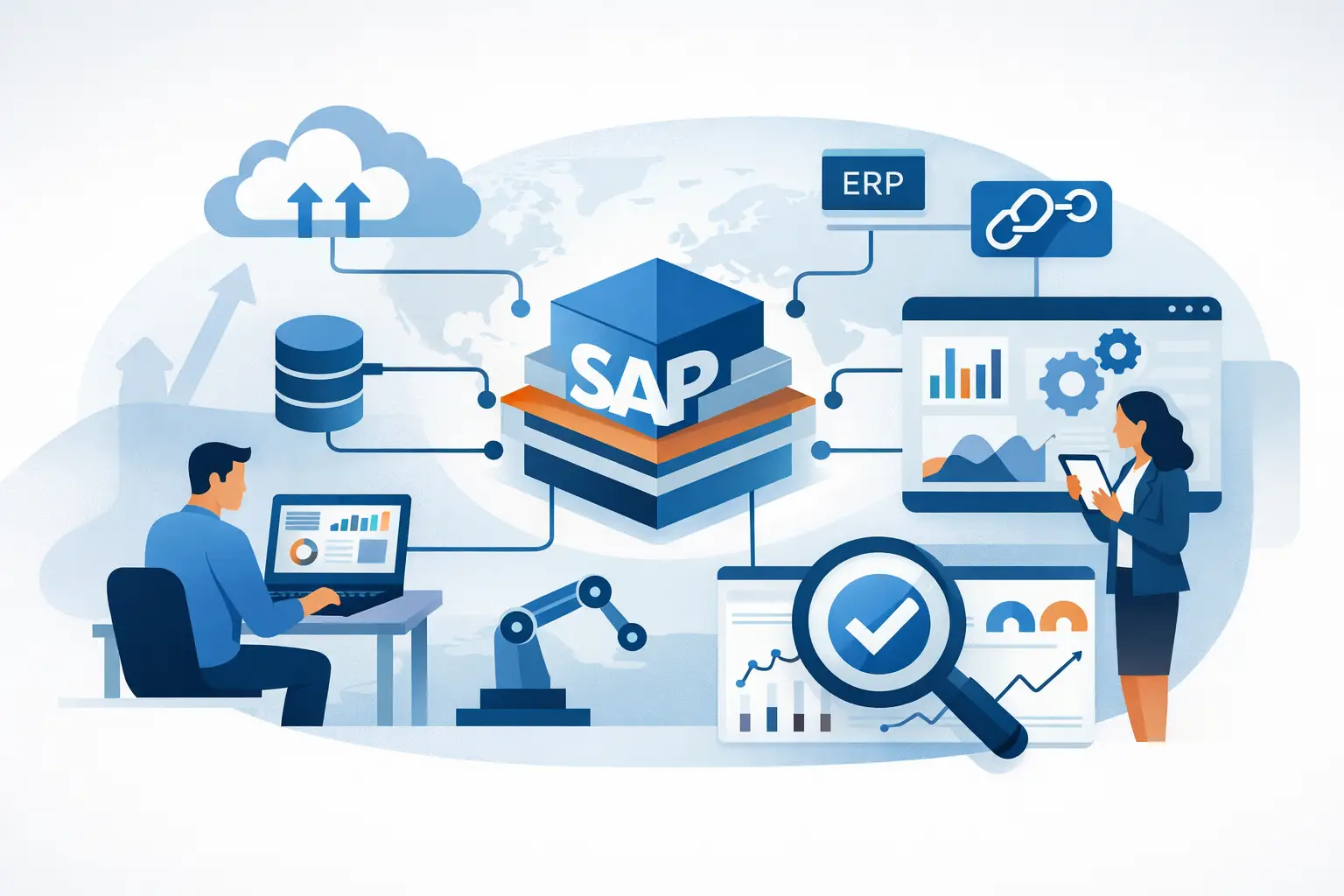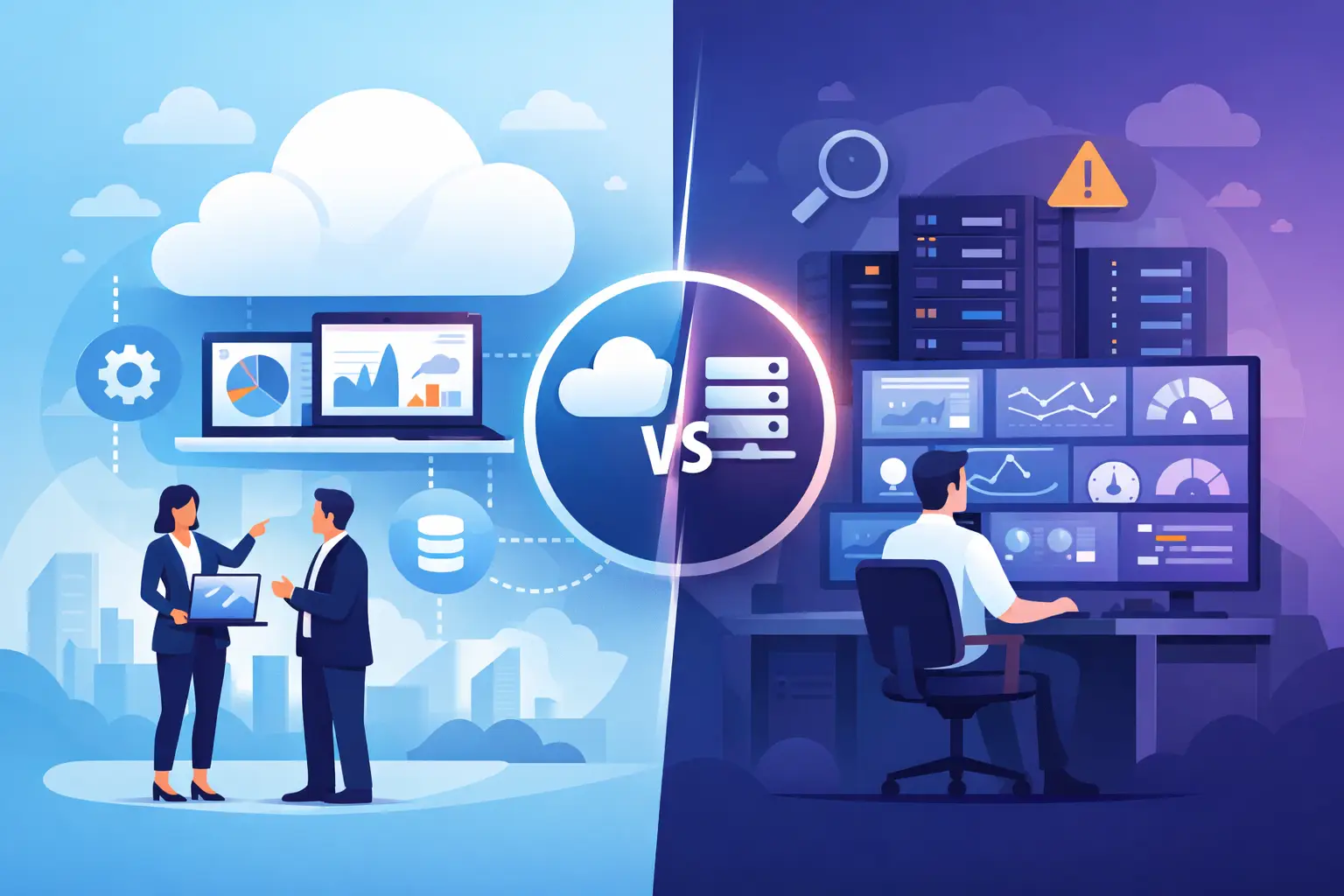
A choice between SAP Cloud ALM and SAP Focused Run is rarely just a tooling decision. For organizations managing SAP transformation and business-critical operations at the same time, cloud alm versus focused run determines how teams govern implementations, detect operational risk, assign ownership, and invest in their future SAP landscape.
The right answer is not automatically one platform or the other. SAP Cloud ALM is the strategic fit for cloud-oriented lifecycle management and standardized implementation governance. SAP Focused Run remains highly relevant where enterprise-scale, highly customized, or hybrid monitoring requirements demand greater depth and control. The practical question is which operational model your organization needs now, and which one it can sustain as its SAP estate evolves.
Cloud ALM Versus Focused Run at a Glance
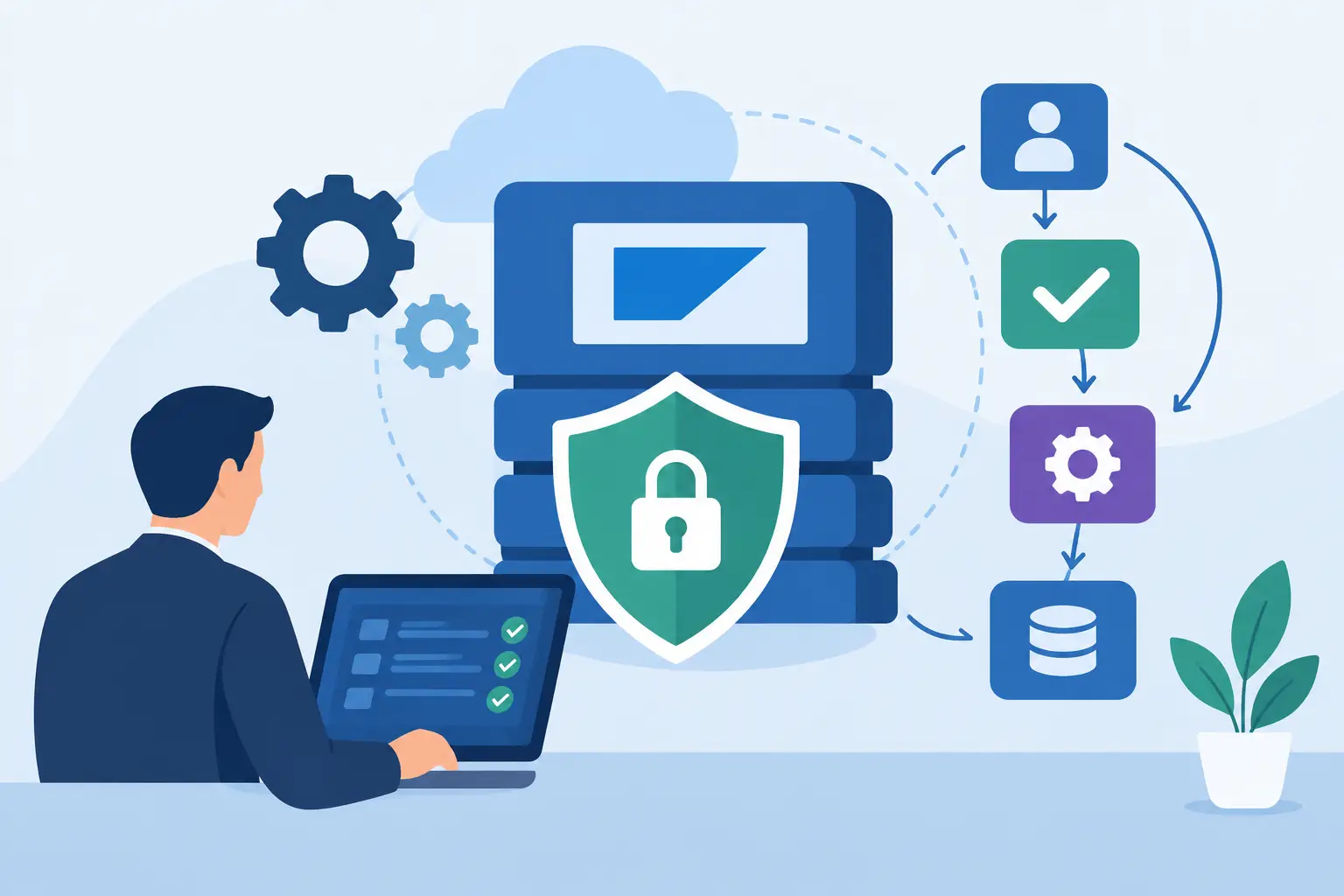
SAP Cloud ALM is SAP’s cloud-based application lifecycle management platform. It supports implementation, operations, service delivery, and integration monitoring through a software-as-a-service model. It is designed to help organizations adopt SAP cloud solutions with a standardized, continuously updated ALM foundation and without maintaining ALM infrastructure themselves.
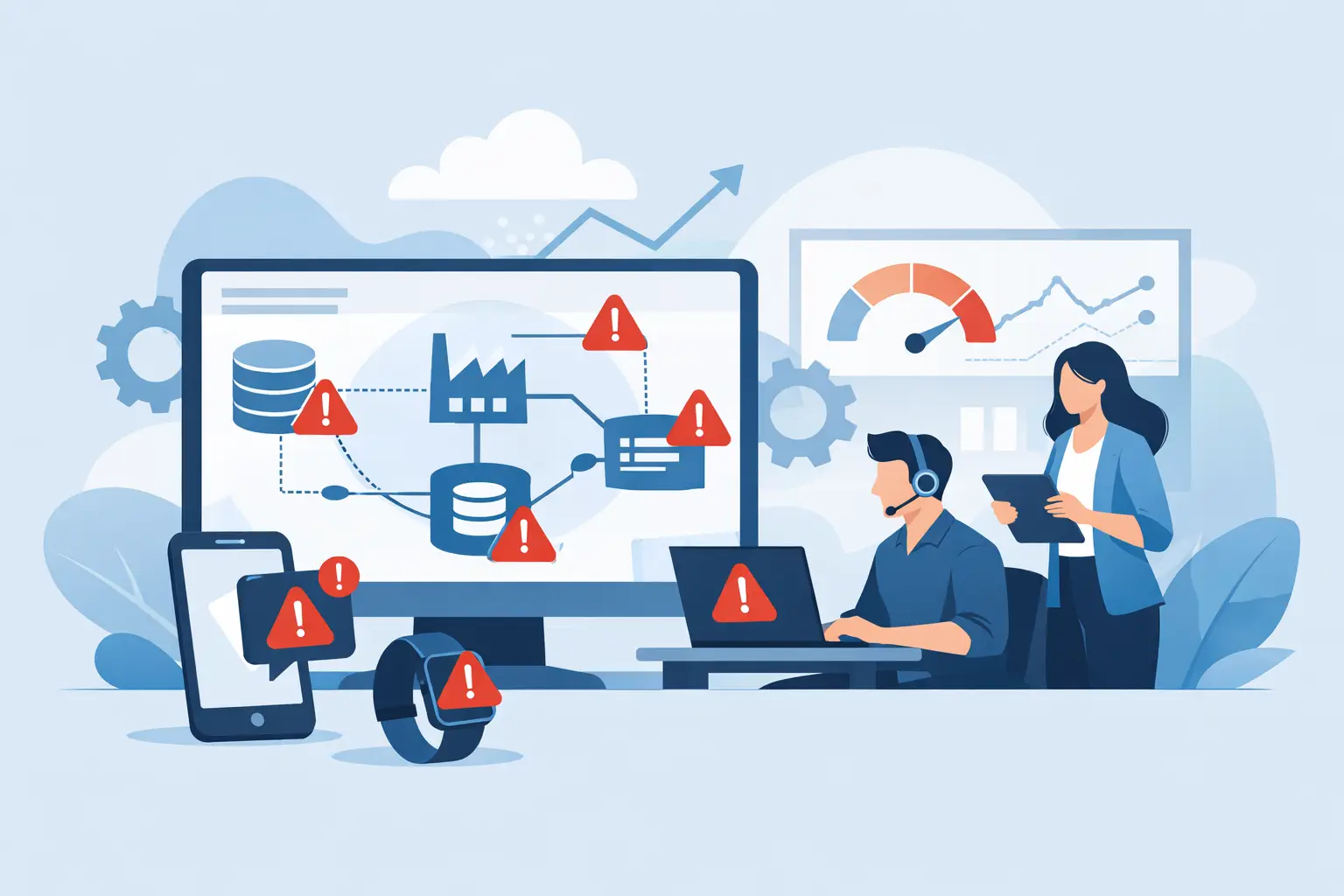
SAP Focused Run is an on-premises, customer-managed platform designed primarily for advanced monitoring and alerting across large, complex SAP environments. It is particularly well suited to organizations that need extensive technical monitoring, high event volumes, detailed operational dashboards, and tailored automation across hybrid or on-premises landscapes.
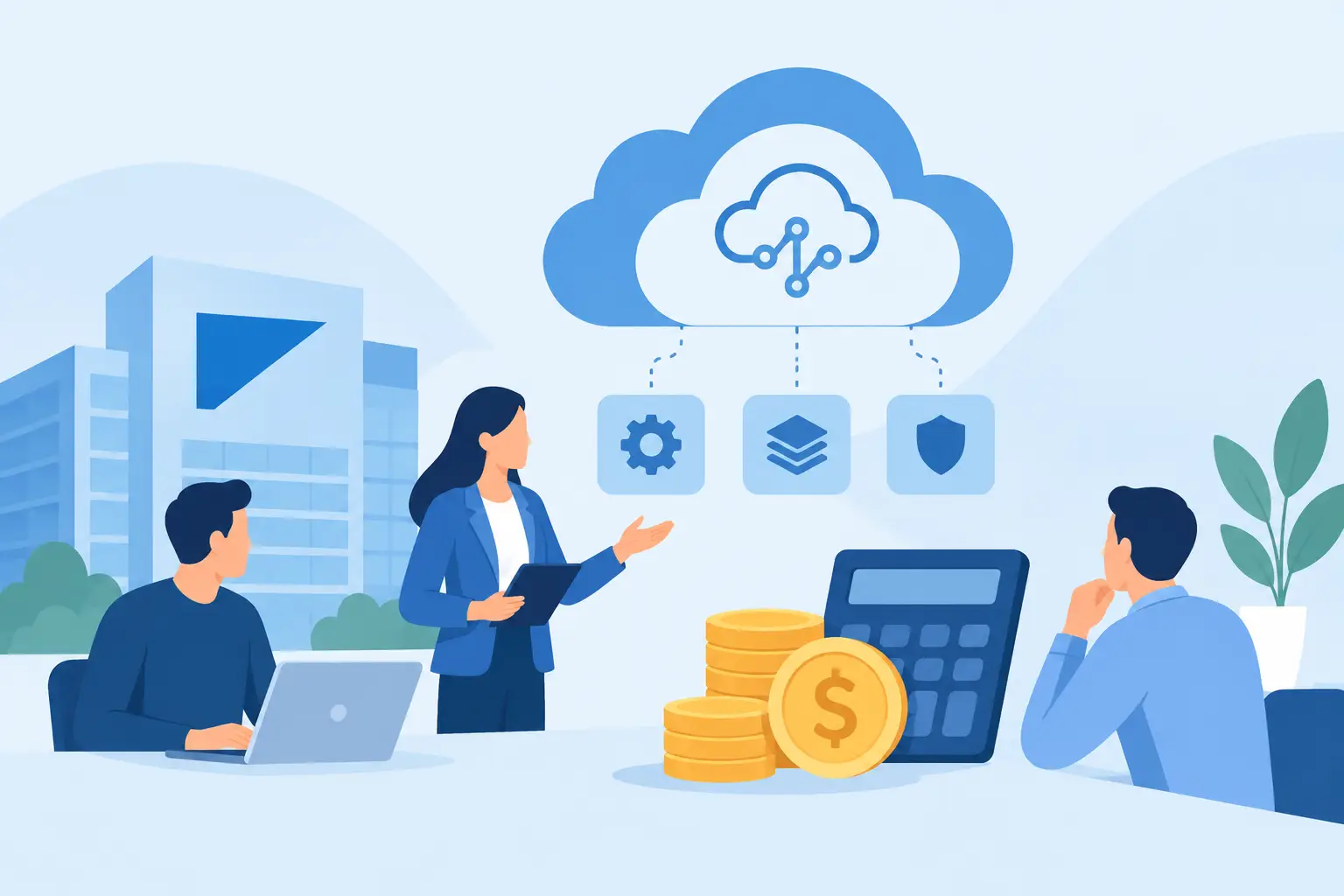
The distinction matters because the products solve overlapping but not identical problems. Cloud ALM emphasizes lifecycle governance and cloud adoption with a lower administration burden. Focused Run emphasizes operational depth, scale, and flexibility, but requires more platform ownership and specialized skills.
| Decision area | SAP Cloud ALM | SAP Focused Run | | — | — | — | | Delivery model | SAP-managed cloud service | Customer-managed deployment | | Primary strength | Cloud lifecycle management and standardized governance | Advanced, high-scale technical monitoring | | Administration effort | Lower | Higher | | Best landscape fit | SAP cloud and evolving hybrid environments | Large, complex, and monitoring-intensive estates | | Customization depth | Standardized and growing capability set | Extensive configuration and tailoring potential |
Where SAP Cloud ALM Delivers the Strongest Value
Cloud ALM is often the better starting point when an organization is implementing SAP S/4HANA Cloud, SAP SuccessFactors, SAP Ariba, SAP Integration Suite, or other SAP cloud solutions. Its implementation capabilities bring structure to requirements, test preparation, task management, deployment readiness, and project transparency. This is valuable when transformation programs need a common operating model rather than another disconnected project workspace.
For operations teams, Cloud ALM provides a central way to work with monitoring, health checks, alerting, job and automation visibility, business process monitoring, and service delivery activities where supported. The value is not simply that teams can see alerts. It is that they can align operational signals to accountable processes, support procedures, and remediation workflows.
The SaaS model also changes the operating equation. SAP manages the platform infrastructure and delivers enhancements continuously. For organizations with limited Basis capacity or a mandate to reduce the number of internally hosted tools, that can remove a meaningful source of overhead. Teams can focus on defining what should be monitored, how alerts should be prioritized, and who should respond.
Cloud ALM is especially effective when standardization is a goal. A global SAP program can use common implementation templates, consistent test evidence, shared dashboards, and defined service processes across regions or business units. That does not eliminate the need for local process knowledge, but it gives the program a stronger baseline for control and reporting.
When Focused Run Is the Better Operational Choice
Focused Run earns its place when monitoring is not a supporting activity but a core operational discipline. Large enterprises may need to monitor many SAP systems, multiple managed service boundaries, significant custom development, complex interfaces, and high volumes of events. In these environments, technical teams often require a level of dashboard design, alert correlation, data retention, and configuration control that goes beyond a standardized cloud service.
It can also be the stronger choice when the estate remains heavily on-premises or hybrid. Organizations operating substantial ECC, BW, NetWeaver, HANA, and custom SAP workloads may need a monitoring platform that reflects the realities of their current landscape, not only their target architecture. This is particularly true where central command centers, mature Basis operations, or service-level commitments require detailed visibility.
That operational power carries a responsibility. Focused Run needs infrastructure, lifecycle maintenance, security controls, integration work, and skilled administration. It can be highly effective, but it is not a set-and-forget solution. Organizations should account for the people and processes required to keep its content relevant as systems, interfaces, and support models change.
The Real Decision: Standardization, Scale, and Ownership
The most useful way to evaluate the platforms is to look beyond feature checklists. First, assess landscape direction. If the organization is moving decisively toward SAP cloud solutions and wants a unified implementation-to-operations platform, Cloud ALM generally offers the clearest strategic foundation. If it must operate a broad, technically demanding hybrid estate for the foreseeable future, Focused Run may remain essential.
Next, assess monitoring maturity. A team that needs practical alerting, operational reporting, and standard service processes may gain faster value from Cloud ALM. A team that already runs a sophisticated operations center and needs deeply tailored monitoring logic may require Focused Run’s flexibility.
Finally, assess ownership appetite. Cloud ALM reduces platform administration but asks teams to work effectively within a standardized service model. Focused Run offers more control but demands stronger internal governance and technical capability. Neither trade-off is inherently better. The right choice depends on whether your operating model benefits more from simplification or from customization.
Four conditions usually point toward a closer Focused Run evaluation: very large managed system volumes, extensive on-premises dependencies, advanced custom monitoring requirements, and an established central operations function with resources to administer the platform. Conversely, a cloud transformation program, limited ALM infrastructure capacity, a need for implementation governance, and a preference for SAP-managed services typically strengthen the case for Cloud ALM.
A Hybrid Strategy Can Be the Most Practical Answer
For many SAP organizations, the immediate answer is not replacement. It is coexistence with a defined purpose for each platform. Cloud ALM can become the primary environment for cloud implementation governance, testing, deployment coordination, and supported cloud operations. Focused Run can continue to provide deep technical monitoring for selected high-complexity or on-premises systems.
A hybrid model only works when boundaries are explicit. Teams should document which systems are monitored in each tool, which alerts create incidents, where operational reporting is produced, and who owns each service. Without this discipline, dual tooling can create duplicate alerts, inconsistent dashboards, and uncertainty during incidents.
The transition should also be evidence-led. Start with a capability inventory: current systems, integrations, monitoring use cases, service-level obligations, custom dashboards, and manual activities. Then map each requirement to Cloud ALM, Focused Run, or a complementary observability platform. This makes gaps visible before a migration or consolidation decision creates avoidable operational exposure.
Build the Decision Around Outcomes, Not Product Names
The best ALM platform decision starts with measurable outcomes. For implementation leaders, that may mean stronger test traceability, more predictable releases, and clearer readiness reporting. For operations leaders, it may mean fewer unprioritized alerts, faster detection of business-impacting issues, and consistent incident ownership. For executives, it is often about reducing risk while avoiding unnecessary platform cost and complexity.
A focused assessment should include representative business processes, not just technical components. For example, monitoring an interface is useful, but the greater value comes from knowing whether a failed interface is preventing order creation, payroll processing, inventory updates, or financial close. Monitoring design must connect technical conditions to business consequences and escalation paths.
This is where specialized guidance makes a difference. CloudALMexperts helps SAP teams translate transformation and operational requirements into practical Cloud ALM capabilities, operating procedures, and adoption plans. The objective is not to force every requirement into one platform. It is to create a lifecycle management model that teams can operate confidently after the project team has moved on.
Before committing, run a targeted workshop with implementation, Basis, operations, security, integration, and business process owners. Agree on the outcomes that matter, validate the highest-risk monitoring scenarios, and define the ownership model for day two. A well-designed decision now creates the discipline your SAP landscape will need when the next release, incident, or transformation milestone arrives.