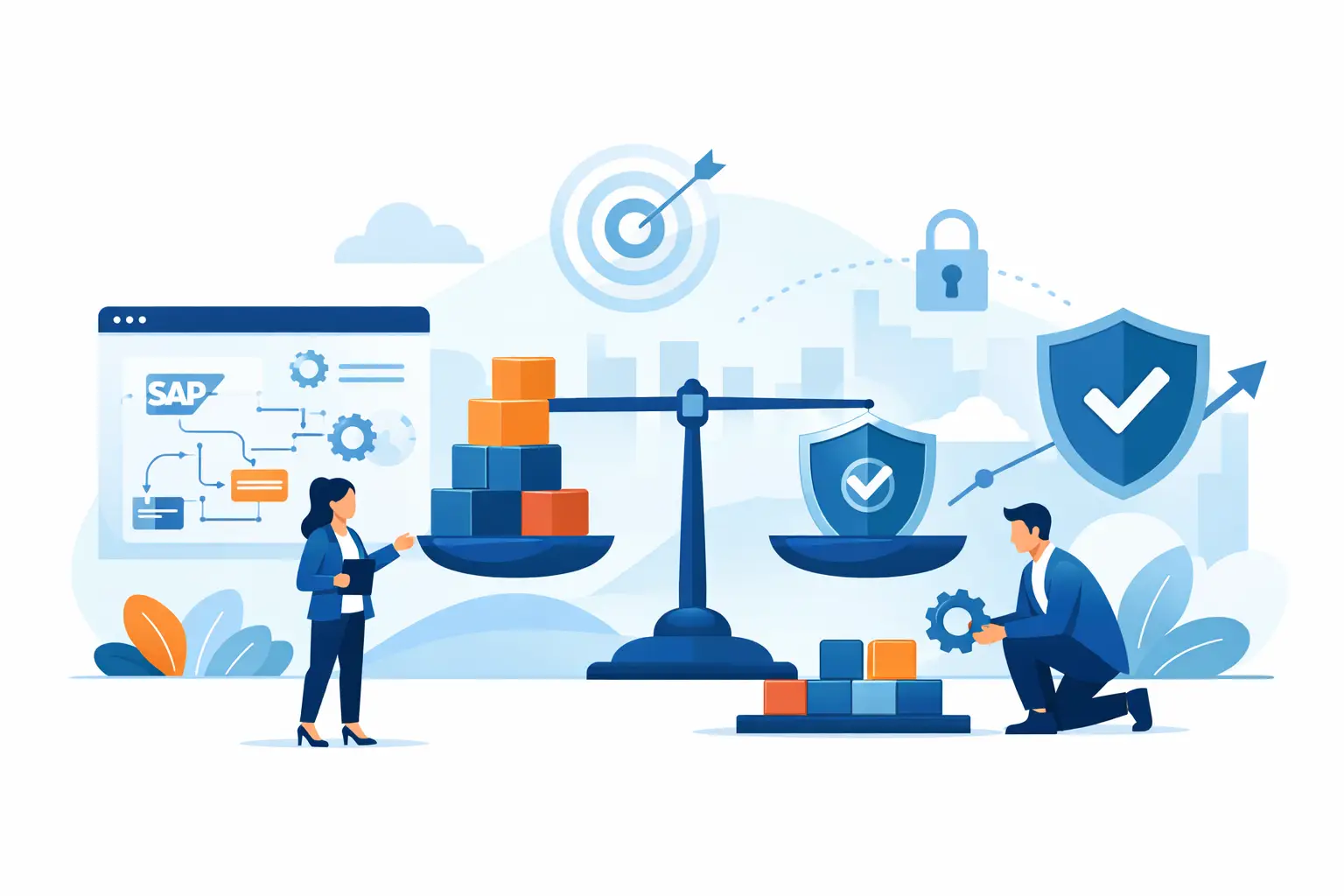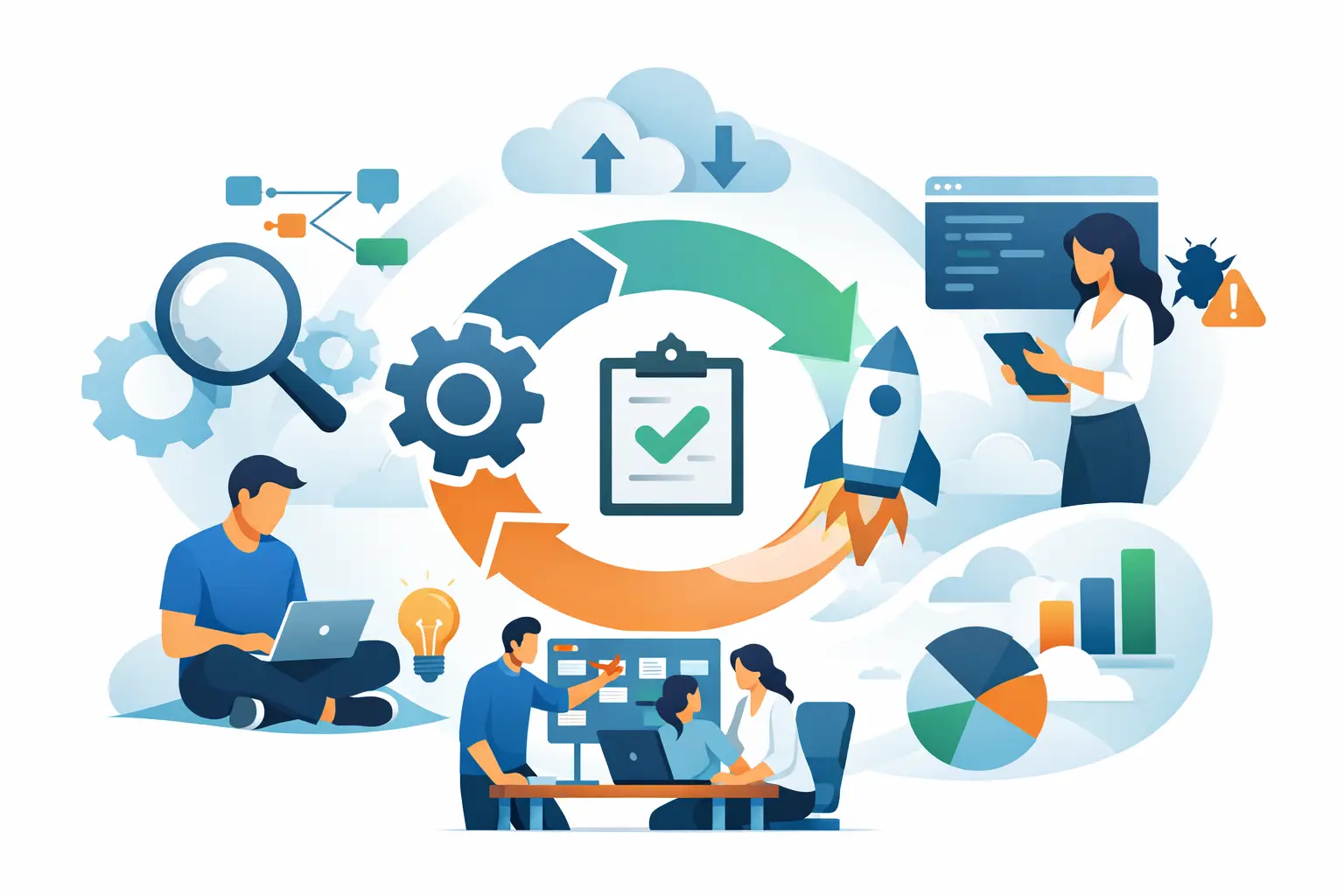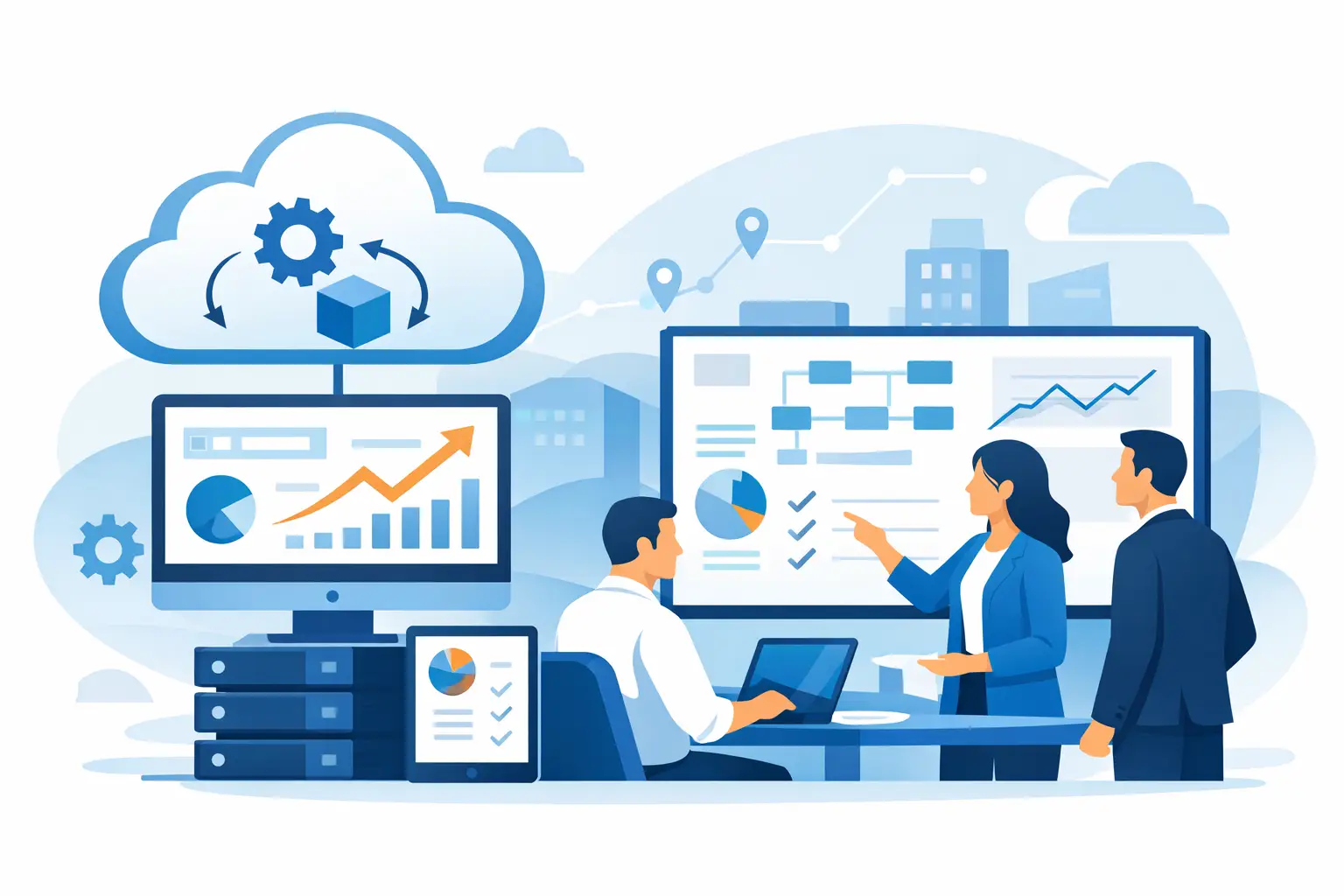
Most SAP teams do not struggle because SAP Cloud ALM lacks capability. They struggle because the platform is introduced without a clear operating model, realistic scope, or ownership across implementation and operations. That is where sap cloud alm consulting creates real value. It turns Cloud ALM from a licensed toolset into a working discipline for delivery governance, monitoring, service visibility, and continuous improvement.
For organizations moving through S/4HANA transformation, RISE with SAP programs, or broader cloud modernization, the stakes are high. Project teams need implementation control. Operations teams need monitoring they can trust. Leadership needs visibility without waiting for manual status reporting. A specialist consulting approach helps connect those requirements from the start, instead of treating them as separate workstreams that only meet after go-live.
What sap cloud alm consulting actually covers
A strong consulting engagement is not limited to technical setup. It starts earlier, with planning decisions that affect long-term value. That includes clarifying which Cloud ALM capabilities matter most for the organization, how the platform will support delivery methods, what data and integrations are needed, and who will run it once the implementation team steps back.
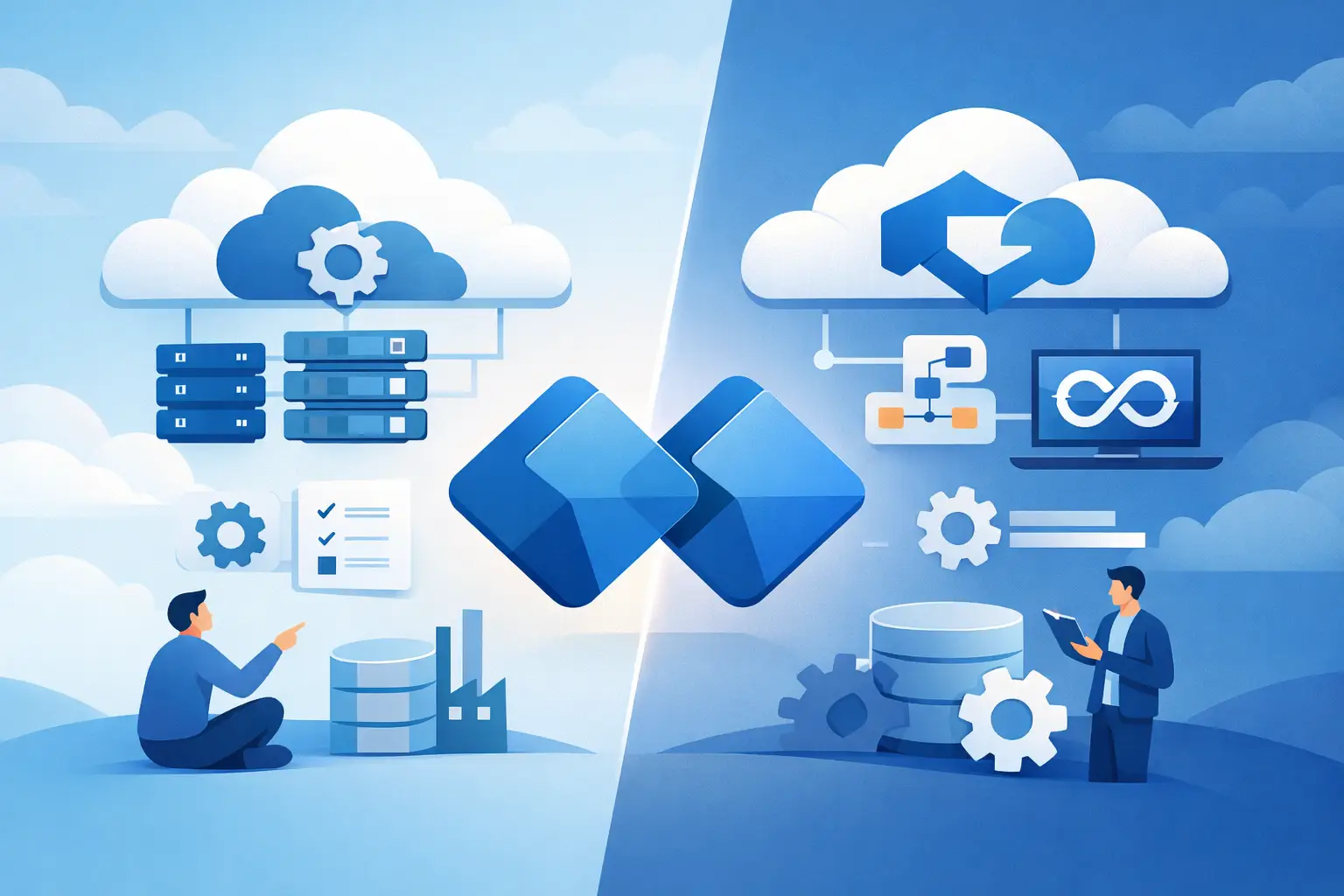
In practice, sap cloud alm consulting usually spans three connected areas. The first is implementation enablement, where teams configure project and task management, requirements tracking, test management, and deployment controls to support delivery. The second is operations enablement, where monitoring, alerting, health visibility, and service processes are established. The third is administration and adoption, which often determines whether the platform becomes part of daily work or fades into partial use.
This matters because Cloud ALM is not a one-size-fits-all environment. A greenfield S/4HANA program, a multi-vendor rollout, and a mature SAP operations landscape will each need different design choices. The best consulting support reflects that reality and builds around business priorities, internal maturity, and future-state operations.
Why specialist SAP Cloud ALM consulting matters
Many organizations have access to general SAP resources, system integrators, and internal project managers. That can work for broad transformation planning, but Cloud ALM often needs a more specialized lens. The platform touches governance, delivery execution, monitoring, service management, and administration. Small configuration decisions can affect adoption, reporting quality, and operational usefulness later.
A specialist consultant brings pattern recognition. They know where implementations usually stall, which use cases create fast value, and where teams tend to overengineer the setup. They also understand the handoff points between implementation and operations, which is one of the most common gaps in SAP programs.
That depth becomes especially important when organizations want measurable outcomes instead of simple activation. If the goal is better project control, stronger test discipline, earlier issue detection, or clearer operations dashboards, then consulting needs to align Cloud ALM configuration to those outcomes. Otherwise, teams end up with features enabled but not embedded.
Where projects often go wrong
The most common issue is trying to deploy too much too soon. SAP teams see the range of available capabilities and attempt to launch every major process at once. That usually creates confusion, uneven ownership, and low user adoption. A better approach is to prioritize based on immediate business need, then expand in phases.
Another frequent problem is weak operational design. Some organizations configure Cloud ALM during implementation but do not define who owns monitoring, who responds to alerts, how dashboards are consumed, or how service processes will be maintained. The result is predictable: the platform works technically, but not operationally.
There is also a reporting trap. Leadership often wants visibility, but dashboards only help if the underlying process data is consistent. If task structures, status discipline, testing practices, or event handling are not defined well, reporting becomes unreliable. Good consulting addresses the process model behind the screen, not just the screen itself.
A practical approach to SAP Cloud ALM consulting
The most effective engagements are structured around the customer journey from planning through steady-state use. That usually begins with discovery. At this stage, consultants assess the SAP landscape, transformation roadmap, delivery model, support organization, and current pain points. The objective is not to produce theory. It is to identify the highest-value Cloud ALM use cases and sequence them properly.
The next phase is design and implementation. Here, configuration decisions should reflect how the business actually runs projects and operations. Templates, workflows, monitoring scope, user roles, and reporting logic need to fit the organization rather than forcing teams into an impractical model. This is where experience makes a visible difference. The right design accelerates adoption because users can see how Cloud ALM supports their work from day one.
Then comes enablement. Training is not a side activity. It is part of implementation success. Project managers, test leads, operations teams, and administrators each need role-based guidance, not generic platform overviews. Teams adopt Cloud ALM faster when they understand not only what to click, but why the process matters and what good usage looks like.
After go-live, support shifts toward administration, optimization, and operational discipline. Monitoring thresholds may need refinement. Dashboards may need adjustment for leadership or service teams. New use cases may be introduced once the core model is stable. This phase is often underestimated, even though it is where long-term value is either proven or lost.
What to expect from a high-value consulting partner
Organizations evaluating sap cloud alm consulting should look for more than SAP familiarity. The real question is whether the partner can support the full Cloud ALM journey with practical execution strength.
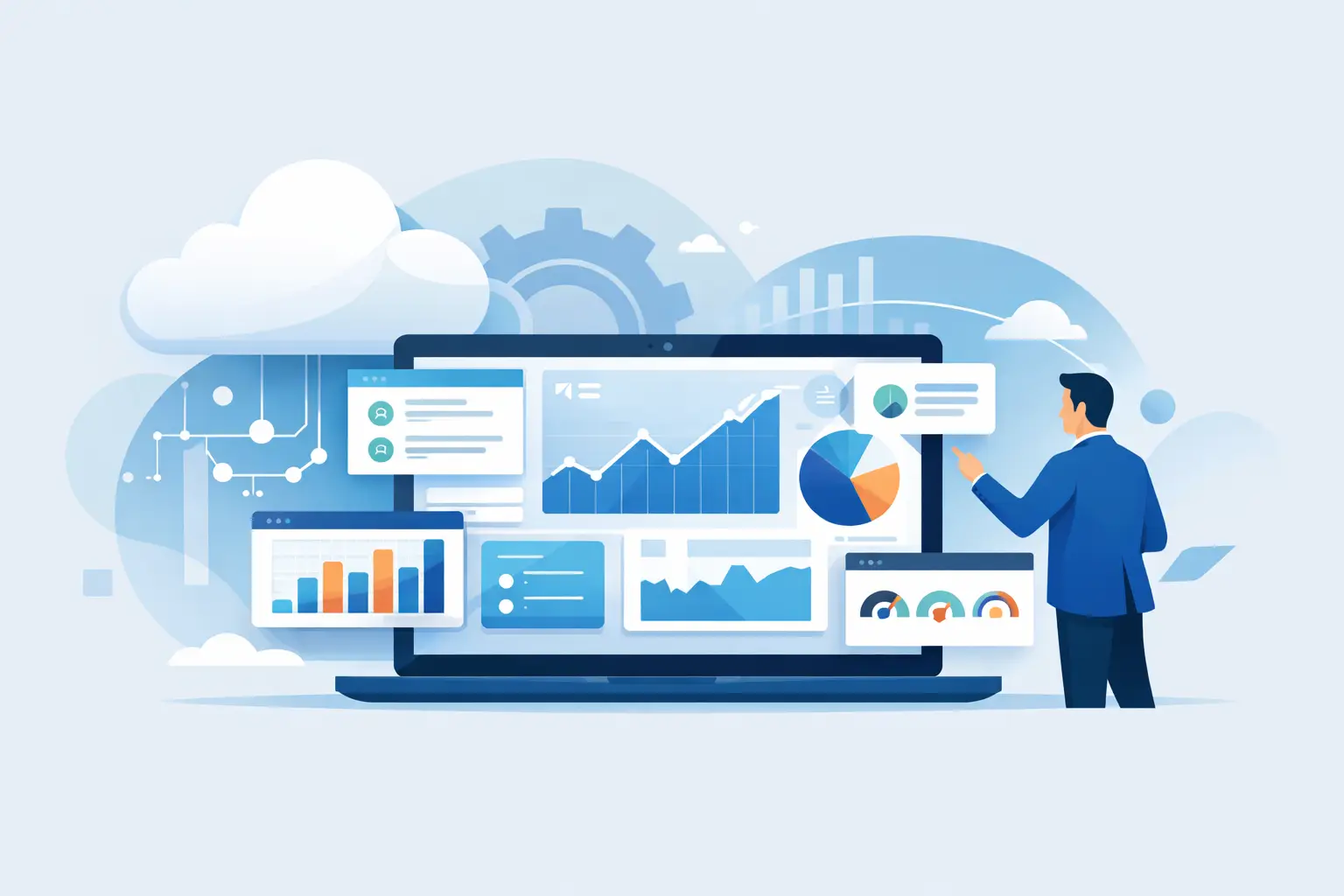
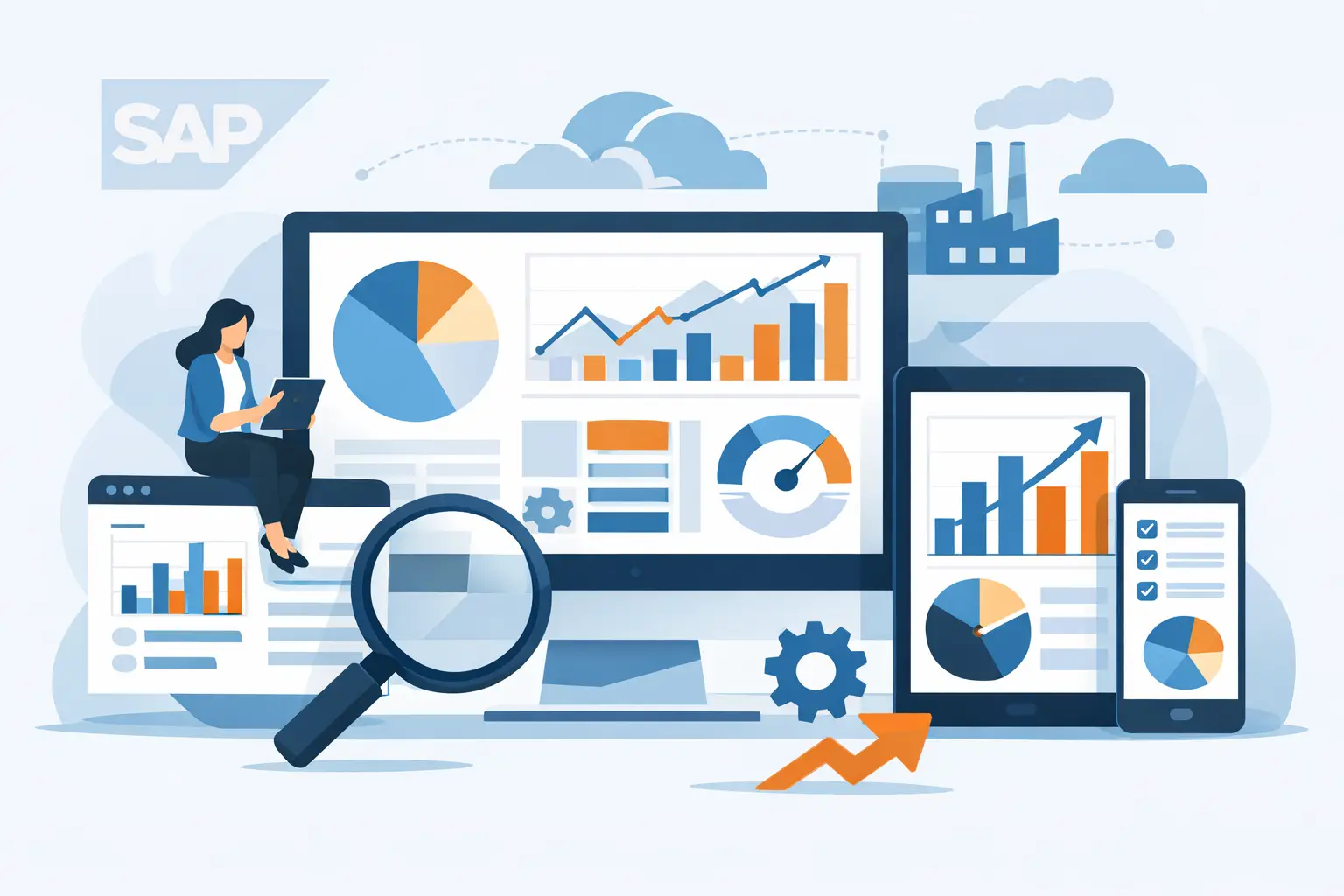
That means the consultant should be able to guide roadmap decisions, configure implementation and operations capabilities, support administration, and help operational teams adopt the platform after initial rollout. It also helps when the partner understands monitoring deeply, including how Cloud ALM insights may be extended through dashboarding and observability tools for broader operational visibility.
Just as important, the consulting model should be realistic about trade-offs. Not every customer needs every capability on day one. Not every dashboard should be custom-built. Not every process should be redesigned around the tool. A dependable partner brings focus, makes pragmatic recommendations, and helps the organization mature Cloud ALM at a sustainable pace.
SAP Cloud ALM consulting for implementation and operations
Some SAP programs still treat implementation and operations as separate conversations. That is risky. Implementation choices affect supportability. Operational blind spots often begin during project delivery. SAP Cloud ALM consulting is most effective when it connects those domains early.
For implementation teams, that means clearer requirements handling, better test coordination, stronger deployment control, and more transparent project governance. For operations teams, it means meaningful monitoring, issue visibility, alert management, and a service-oriented view of the SAP landscape. When both sides are considered together, Cloud ALM becomes more than a project tool. It becomes part of the organization’s operating model.
This is especially relevant for companies managing hybrid complexity, multiple SAP products, or accelerated cloud timelines. Those environments do not leave much room for fragmented tooling or handoff confusion. A consulting partner with dedicated Cloud ALM focus can reduce that risk by aligning setup, process, and adoption across the full lifecycle.
How buyers should evaluate fit
The best consulting decision is not always the largest provider or the broadest service catalog. For Cloud ALM, fit often comes down to specialization, responsiveness, and proof of hands-on delivery. Buyers should ask how the partner approaches planning, implementation, training, administration, and post-go-live support. They should also ask how success will be measured.
Good answers are specific. They describe use-case prioritization, governance design, user enablement, operational ownership, and the transition from initial setup to sustained usage. They also acknowledge where sequencing matters and where internal team readiness may affect pace.
That is the advantage of working with a specialist firm such as CloudALMexperts. The conversation stays centered on Cloud ALM outcomes, not generic transformation language. For SAP-driven organizations under pressure to execute well and operate with confidence, that focus can make the difference between platform adoption and platform value.
SAP Cloud ALM works best when it is treated as a business capability, not a technical checkbox. The right consulting approach gives your teams structure, clarity, and a practical path to results that hold up long after go-live.