A service desk can look organized on paper and still fail the business when incidents bounce between teams, response expectations are unclear, and SAP support data lives in too many places. That is where sap cloud alm service management becomes relevant. For SAP-driven organizations moving deeper into cloud operations, it creates a more disciplined way to capture issues, route work, manage service requests, and connect support activity to the systems and processes that matter.
This is not just a ticketing conversation. It is an operational control conversation. When SAP landscapes are changing, transformation programs are active, and business users expect faster resolution, service management has to do more than log requests. It needs to support accountability, visibility, and execution across business and IT teams.
What SAP Cloud ALM service management is really solving
At a practical level, SAP Cloud ALM service management helps organizations standardize how they receive, classify, assign, and resolve support demand. That sounds straightforward, but many SAP environments still rely on a patchwork of inboxes, spreadsheets, local processes, or generic ITSM workflows that do not reflect SAP-specific dependencies.
The result is predictable. Incidents lack context, support teams spend time clarifying ownership, recurring issues are hard to track, and service performance becomes difficult to measure. In cloud transformation programs, that creates unnecessary friction. A delayed incident response is not just an IT problem if it affects finance close, procurement processing, warehouse operations, or customer order flow.
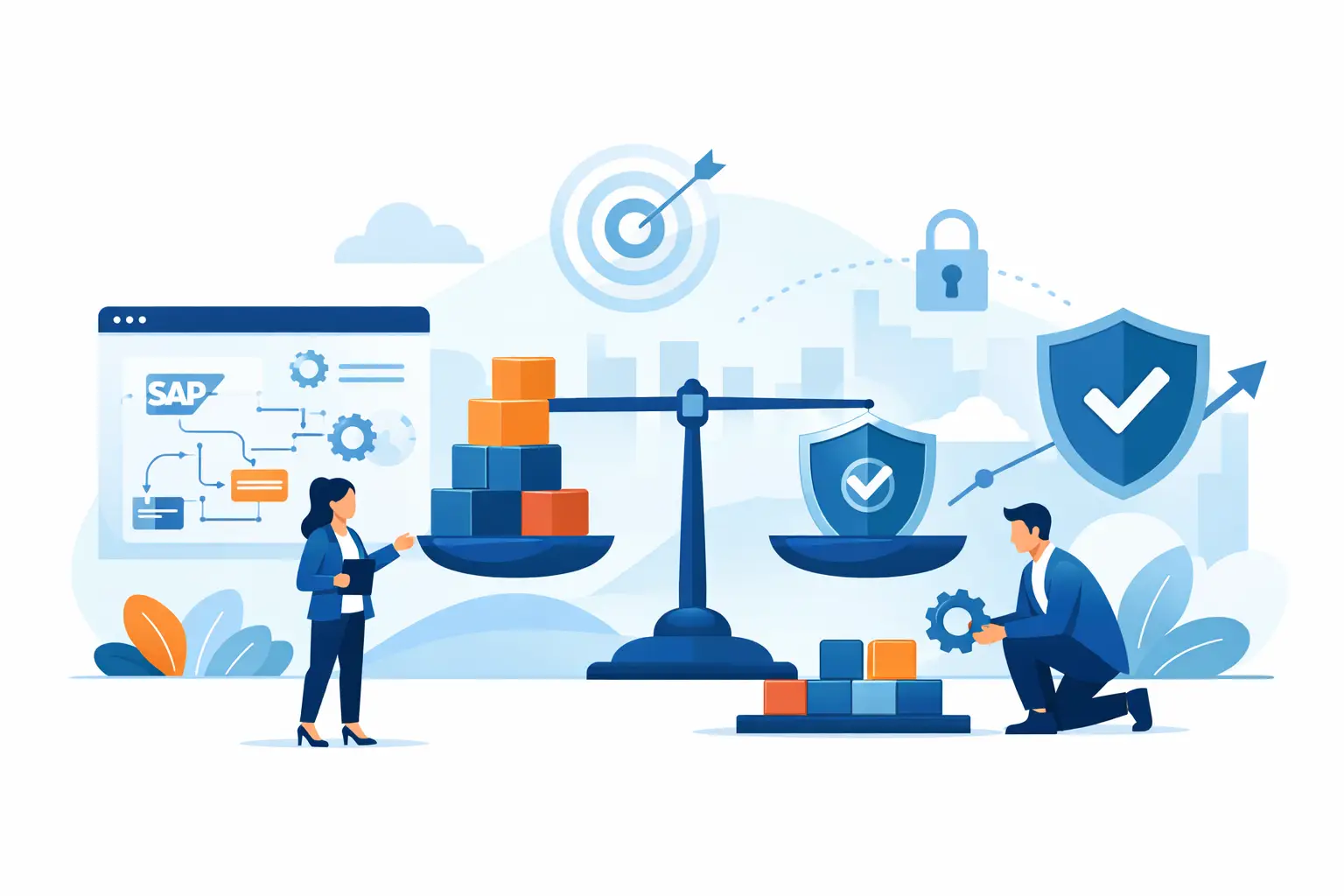
SAP Cloud ALM addresses this by bringing service processes closer to the SAP operational model. The value is not only in capturing tickets, but in creating a support framework that reflects SAP scope, business criticality, and operational roles.
Why service management matters in SAP Cloud ALM
Organizations often adopt SAP Cloud ALM first around implementation governance or technical monitoring. Service management sometimes comes later, usually when teams realize monitoring alone does not resolve operational issues. Alerts can identify a problem, but someone still has to own the next action, coordinate resolution, communicate status, and close the loop.
That is why service management matters. It sits between issue detection and business resolution. Without that layer, even strong monitoring capabilities can leave teams reacting in an inconsistent way.
For SAP leaders, the real benefit is control. You can define intake channels, structure categories, establish prioritization rules, and give support teams a shared process. That improves response discipline, but it also improves reporting. When service management is set up correctly, you can see trends across incident types, service request volumes, backlog patterns, and handoff delays.
Where organizations get the most value
The biggest gains usually come from consistency rather than complexity. A well-designed SAP Cloud ALM service management setup helps teams answer simple but critical questions. What was reported? Who owns it? What is the business impact? Has it been escalated correctly? Are service levels being met? What patterns are emerging over time?
For companies with hybrid SAP landscapes, multiple support partners, or active transformation programs, that consistency becomes even more important. Different teams may support different applications, but the business still expects one reliable support experience.
This is where a specialist approach matters. Service management design should reflect your operating model, not just a default tool configuration. A global support organization with follow-the-sun operations needs something different from a regional company with a small internal SAP team. A company in the middle of S/4HANA transition has different governance needs than one focused on run-state optimization.
SAP Cloud ALM service management is not just configuration
One common mistake is treating service management as a technical setup exercise. The tool matters, but success depends just as much on process definition, team readiness, and role clarity.
If categories are vague, routing rules are weak, or support ownership is not agreed, the platform will expose those gaps very quickly. It will not solve them on its own. That is why implementation should start with operational design decisions. You need to define what types of tickets belong in the system, how prioritization works, which teams own which queues, what escalation paths are required, and what reporting stakeholders need.
That design work is especially important for SAP organizations because support demand is rarely uniform. Some issues are technical, some are process-related, and some sit in the gray area between application support and business operations. Good service management creates a way to handle that complexity without making the user experience harder.
Key design choices that shape outcomes
The difference between a useful service management setup and an underused one usually comes down to a handful of decisions made early.
The first is scope. Some organizations try to bring every support scenario into the platform immediately. Others start too narrowly and miss the opportunity to create a unified operating model. The right answer depends on maturity, but phased adoption is often the better route. Start with the highest-value support flows, stabilize them, then expand.
The second is taxonomy. Categories, priorities, and assignment groups need to reflect how your SAP support organization actually works. If labels are too generic, reporting becomes weak and routing becomes manual. If they are too granular, users struggle to log issues correctly and support teams spend time cleaning data.
The third is governance. Service management requires ownership. Someone needs to manage queue structures, review service performance, refine workflows, and maintain standards. Without that, even a strong initial setup can drift.
The fourth is adoption. End users and support teams need training that is specific to their role. A short system demo is not enough. Teams need to understand what good ticket submission looks like, how prioritization should be interpreted, when to escalate, and how to use reporting for service improvement.
The integration question: it depends
For many SAP organizations, the next question is whether SAP Cloud ALM service management should replace existing ITSM tooling or work alongside it. There is no universal answer.
If the organization already runs an enterprise-wide ITSM platform with mature non-SAP processes, full replacement may not be realistic or even desirable. In that case, the better strategy may be to define a clear SAP operating boundary and integrate where needed.
On the other hand, if SAP support is fragmented, underserved, or forced into generic workflows that do not support cloud operations well, SAP Cloud ALM can provide a stronger fit for SAP-centric service execution. The decision should be based on process quality, support ownership, reporting needs, and operational complexity – not on a blanket preference for tool consolidation.
What successful adoption looks like
Successful adoption is usually visible within a few months. Ticket intake becomes cleaner. Ownership is clearer. Escalations are more disciplined. Support managers can see where work is stalling. Program leaders gain better insight into recurring pain points. Business users have a more predictable support path.
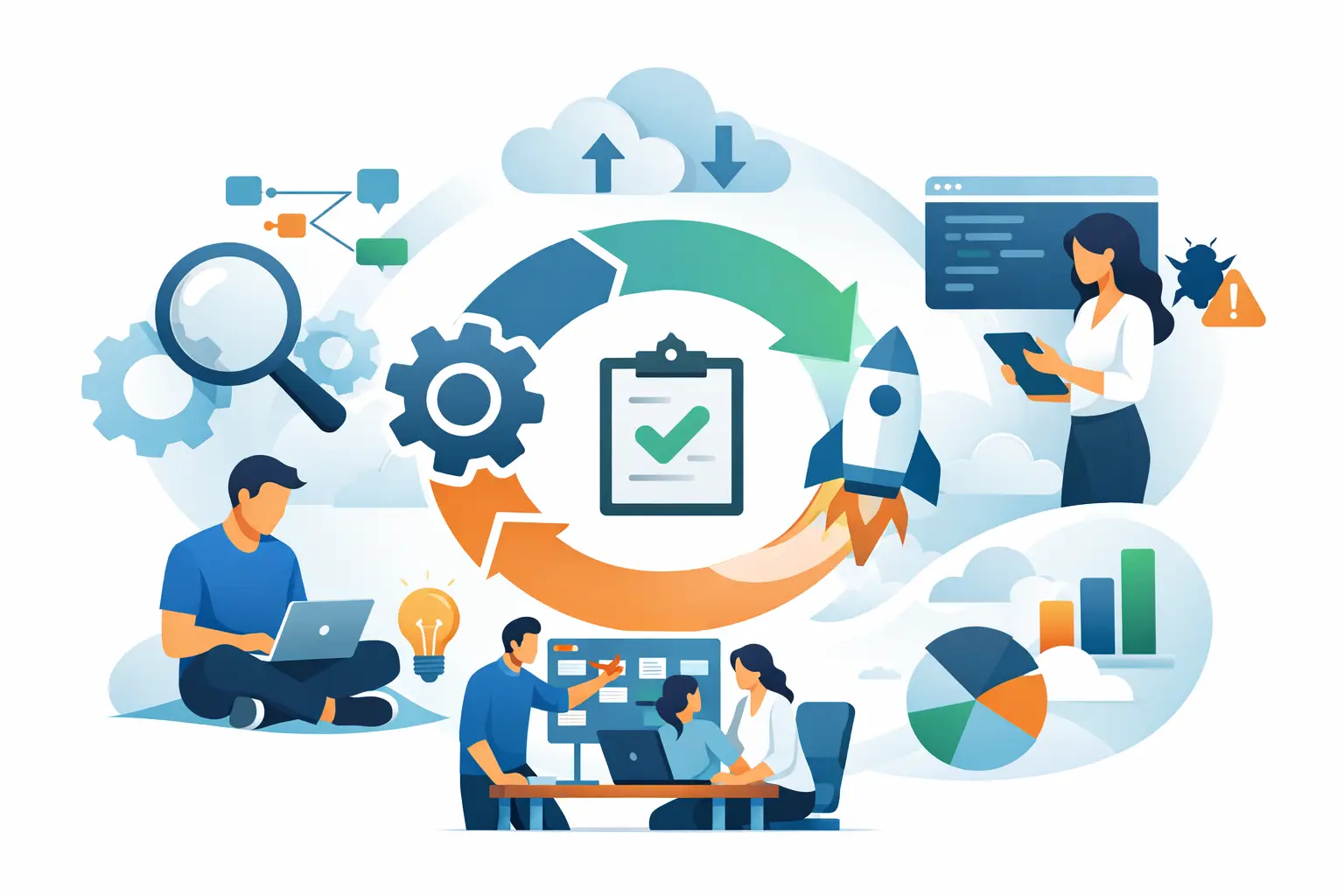
The strongest outcomes appear when service management is treated as part of a broader SAP Cloud ALM operating model. That means aligning it with monitoring, operations, governance, and ongoing administration. When those elements are connected, support teams can move from reactive handling to managed operations.
This is also where expert implementation support can make a measurable difference. A specialist partner such as CloudALMexperts can help organizations avoid overengineering, accelerate initial setup, and shape the platform around actual SAP service realities rather than generic assumptions. That matters because reworking service processes after go-live is always more expensive than designing them correctly at the start.
How to approach SAP Cloud ALM service management pragmatically
The most effective approach is usually steady and use-case driven. Start with a current-state review of support processes, pain points, ticket volumes, and team responsibilities. Then define the target operating model for SAP support, including intake methods, queue ownership, prioritization logic, and reporting expectations.
From there, configure the platform around real support scenarios, not theoretical ones. Pilot with a manageable scope. Measure adoption. Refine categories and workflows based on actual usage. Then expand into additional service areas once the foundation is stable.
That approach takes discipline, but it reduces two common risks – trying to do too much too fast, or implementing a narrow service process that does not scale with the organization.
For SAP leaders, the real question is not whether service management is needed. It is whether the current support model gives the business enough visibility, control, and confidence as cloud operations expand. If the answer is no, SAP Cloud ALM service management deserves a serious look – not as another tool initiative, but as part of building a support model that can keep pace with transformation.