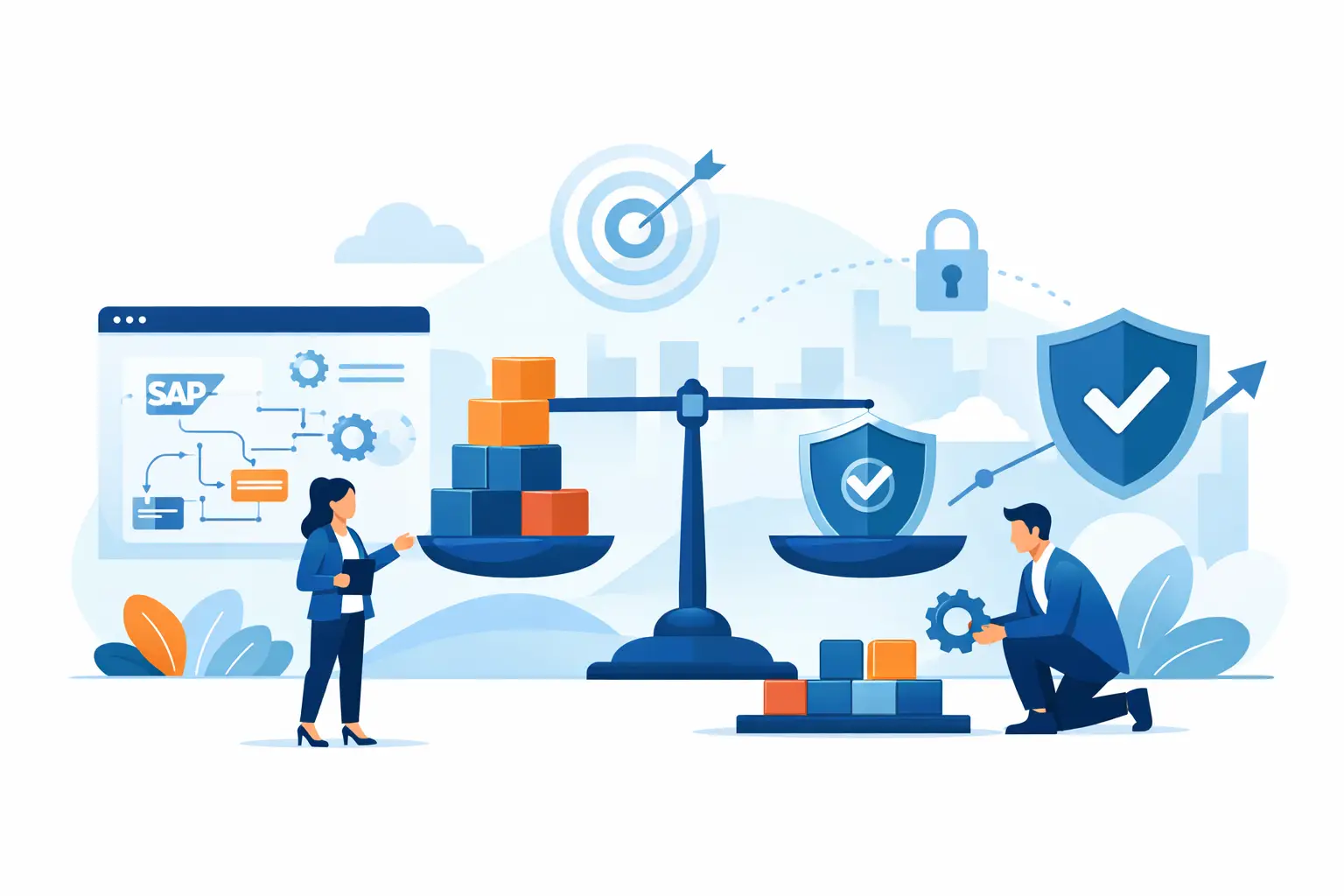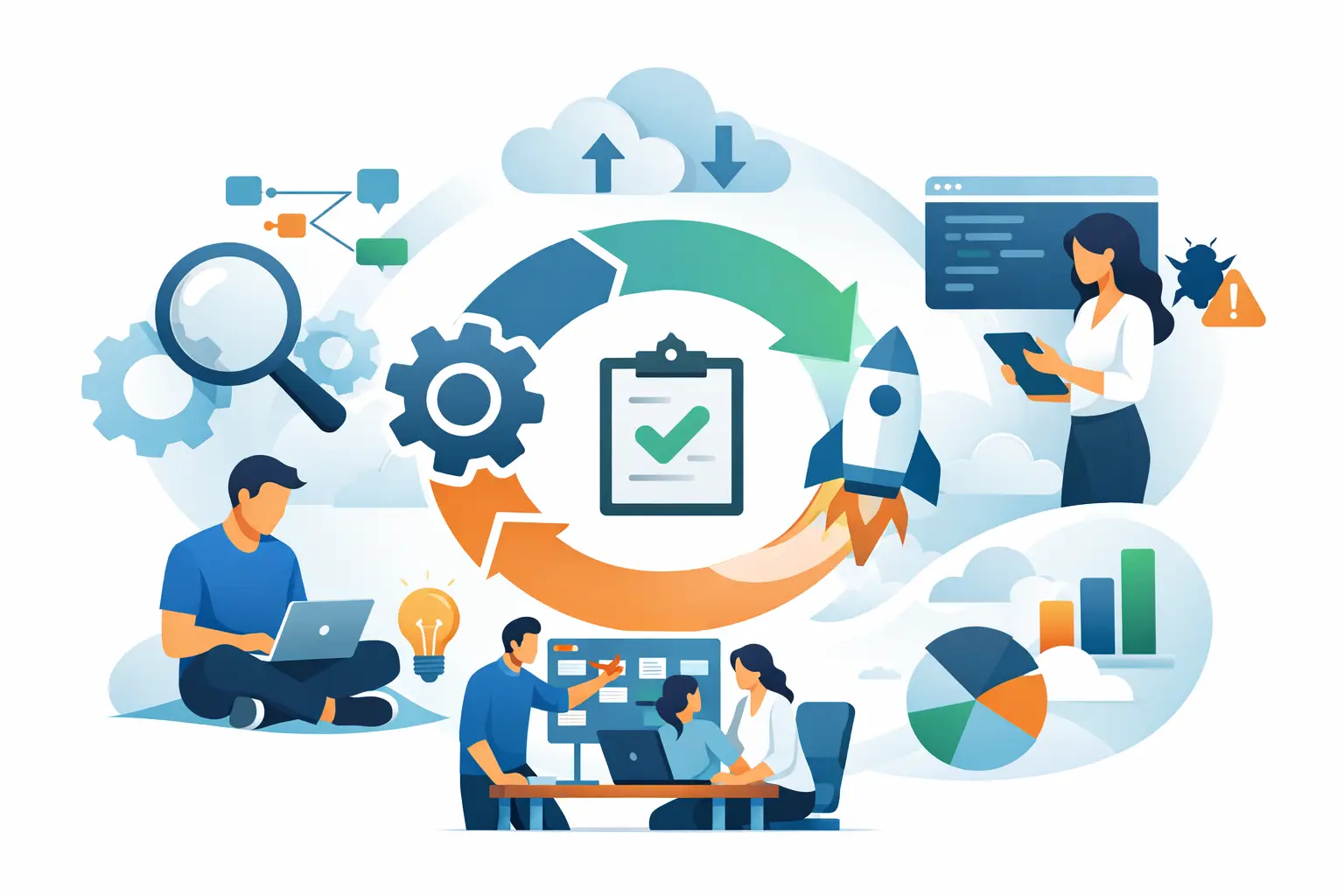
When an SAP program is under pressure, lifecycle management problems show up fast. Projects lose visibility, testing becomes inconsistent, monitoring is split across tools, and support teams spend too much time reacting instead of improving. That is exactly where sap cloud alm services create value – not as another layer of software, but as a practical operating model for implementation, operations, and service management.
For SAP-driven organizations moving through cloud transformation, the appeal of SAP Cloud ALM is clear. It offers a modern foundation for governance, task execution, traceability, monitoring, and operational transparency. But buying into the platform is not the same as putting it to work. The gap between entitlement and real business value is where many teams struggle, especially when ownership is unclear, process design is immature, or internal teams are already stretched.
What sap cloud alm services actually cover
At a practical level, sap cloud alm services span far more than initial setup. They usually begin with assessment and planning, because the first question is not which features to switch on. The real question is which outcomes matter most for your SAP landscape. For some organizations, that means implementation governance and requirements traceability. For others, it means operational monitoring, integration health, job monitoring, or service processes that are more disciplined and measurable.
From there, services typically extend into tenant setup, scoping, configuration, role design, process alignment, dashboard design, and enablement. In mature engagements, they also include administration, adoption support, monitoring refinement, and transition assistance after go-live. That broader scope matters because SAP Cloud ALM is most effective when it is embedded into how teams actually work, not treated as a side platform owned by one isolated group.
A specialized partner brings value here by reducing guesswork. SAP teams do not need generic IT advice. They need informed decisions about what to configure, what to postpone, how to align Cloud ALM with existing governance, and where process discipline will generate the fastest return.
Why SAP Cloud ALM services matter during implementation
Implementation is often where organizations first engage with SAP Cloud ALM in a meaningful way. Programs need structure. Requirements must connect to processes, testing has to be repeatable, and delivery teams need one source of truth for progress and risk. Without that discipline, project reporting becomes manual and confidence drops quickly.
SAP Cloud ALM services for implementation help establish that structure early. A well-run setup supports fit-to-standard activities, task management, requirement tracking, test preparation, defect handling, and oversight across workstreams. That creates better governance, but it also improves execution. Teams spend less time rebuilding status reports and more time addressing actual delivery issues.
That said, implementation use cases should be sized carefully. Some organizations try to deploy every possible capability on day one, which creates friction and slows adoption. Others keep the scope too narrow and miss the chance to build stronger controls. The right approach depends on program complexity, team maturity, and timeline pressure. A focused rollout with clear ownership usually performs better than an overly ambitious design that users do not adopt.
The value of process-first configuration
One common mistake is treating SAP Cloud ALM as a technical install rather than a process platform. Configuration should follow delivery needs. If the testing model is weak, simply enabling test features will not fix it. If task ownership is vague, dashboards will only make the confusion more visible.
That is why experienced service teams start with operating requirements. They define who owns what, how work should flow, which metrics matter, and what level of governance is realistic. The technology then supports those decisions instead of competing with them.
SAP Cloud ALM services for operations and monitoring
Once systems are live, the conversation changes. Delivery governance is still relevant, but operational stability becomes the priority. Business teams expect availability, integrations need to run reliably, and support organizations need faster visibility into issues before they become outages or service disruptions.
This is where SAP Cloud ALM services for operations become especially valuable. They help organizations configure health monitoring, integration monitoring, job and automation monitoring, and event-driven operational views that support faster triage. For many SAP environments, this replaces fragmented monitoring practices that rely too heavily on tribal knowledge and disconnected tools.
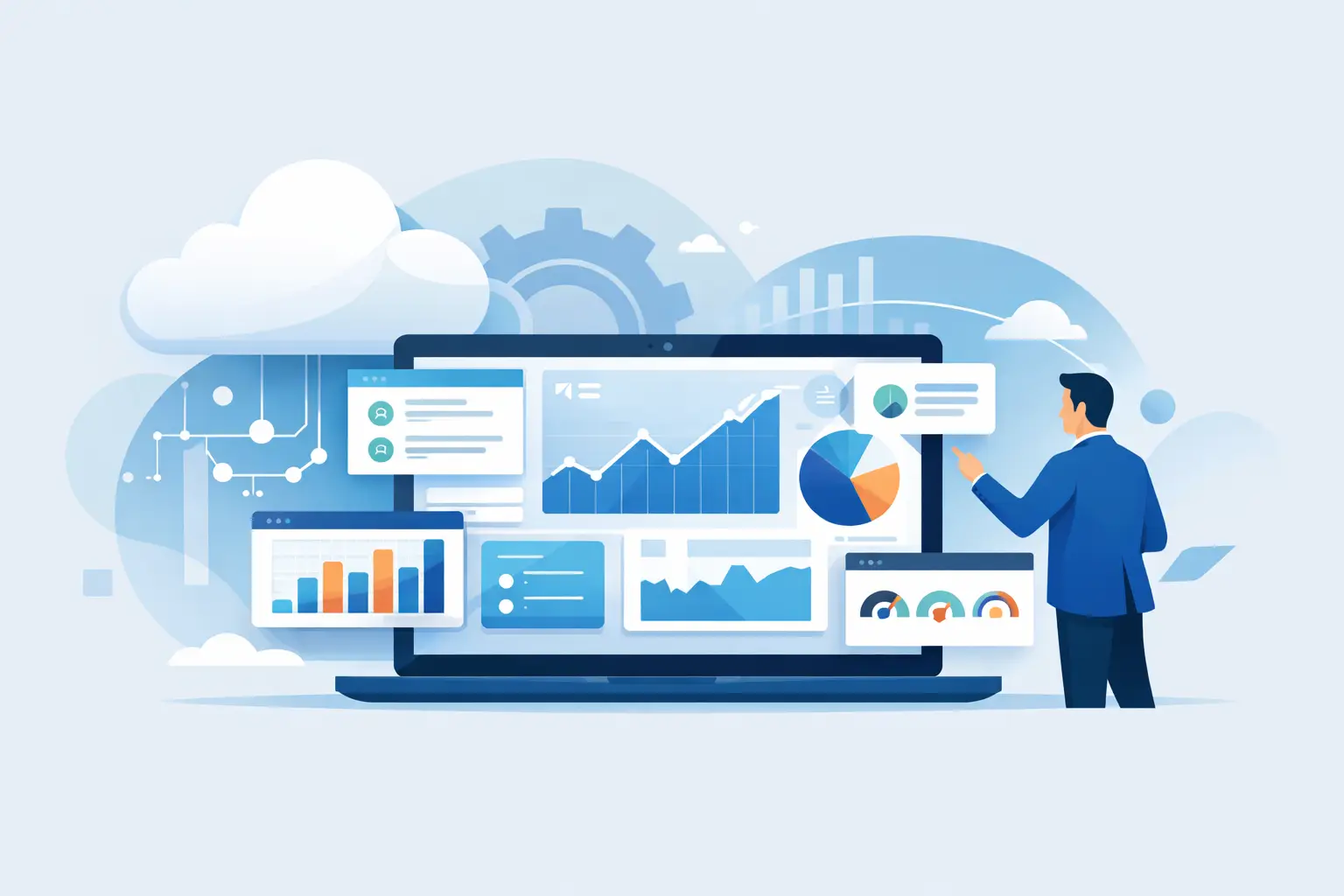
The strongest operating models do not stop at standard monitoring. They align alerting, escalation, dashboards, and service workflows so operations teams can act with confidence. In some cases, organizations also extend their monitoring landscape with tools such as Grafana, SPLUNK, or SAC to support richer dashboards and broader observability. That can be useful, but only when there is a clear reason to extend beyond native views. More tools are not automatically better. The goal is better operational decisions, not more screens.
Administration and ongoing optimization
Administration is often underestimated. Roles, authorizations, scope updates, monitoring adjustments, and platform housekeeping all influence long-term value. When administration is treated as an afterthought, adoption declines and data quality suffers.
Ongoing SAP Cloud ALM services help keep the environment aligned with evolving business priorities. As new processes, integrations, and organizational needs emerge, the platform needs adjustment. A static setup rarely supports a dynamic SAP landscape for long.
Where organizations get stuck
Most challenges with SAP Cloud ALM are not caused by the platform itself. They come from execution gaps. Some organizations do not define a clear service owner. Others launch the tool without enough training, or they expect Basis, project delivery, and operations teams to adopt new ways of working without shared governance.
There is also the question of timing. If a company is in the middle of a major migration, acquisition, or operating model redesign, the ideal Cloud ALM setup may not be realistic in phase one. In those cases, a staged service model works better. Start with the capabilities that reduce immediate risk, then expand as teams stabilize.
Another common issue is overgeneralized consulting support. SAP Cloud ALM is not just one item in a broad transformation portfolio. It has its own design choices, dependencies, and adoption patterns. Organizations usually benefit more from a specialist approach than from a generalist team learning on the job.
What to look for in sap cloud alm services
The best sap cloud alm services combine strategy, configuration, and operational follow-through. Advisory matters, but execution matters more. You need a partner that can translate business objectives into a working setup, support adoption across stakeholder groups, and stay engaged long enough to make the platform useful in daily operations.
Look for depth in implementation, operations, and service scenarios rather than isolated technical skills. Ask how the service approach handles administration, enablement, dashboarding, monitoring refinement, and transition to internal teams. It is also worth asking how quickly the provider can help your team show value. Early wins matter because they create the internal confidence needed for broader adoption.
This is where specialized firms such as CloudALMexperts stand apart. Focused SAP Cloud ALM knowledge leads to faster decisions, cleaner configurations, and more practical guidance across the full customer journey, from initial planning through operational maturity.
A better way to think about SAP Cloud ALM adoption
SAP Cloud ALM should not be viewed as a one-time project deliverable. It is part of how an SAP organization governs change, runs operations, and improves service quality over time. That means service decisions should support the full lifecycle, not just the implementation deadline in front of you.
For IT leaders and SAP program owners, the real question is not whether SAP Cloud ALM has the right feature set. The better question is whether your organization has the expertise and operating discipline to turn those features into measurable outcomes. Good services close that gap. They bring structure where there is fragmentation, clarity where there is tool sprawl, and momentum where teams are stuck between strategy and execution.
If your SAP landscape is growing more complex, that kind of support is not a nice-to-have. It is often the difference between a platform that looks promising on paper and one that genuinely improves delivery, monitoring, and operational control.
The most effective next step is usually not a bigger rollout. It is a sharper one – aligned to your current risks, your team capacity, and the outcomes that matter most right now.