A production issue is rarely caused by a lack of charts. More often, teams lack the context to connect a technical signal to a business process, a responsible owner, and a documented response. That is the practical question behind SAP Cloud ALM vs Grafana. These platforms can both support SAP operations, but they solve different parts of the operational problem.
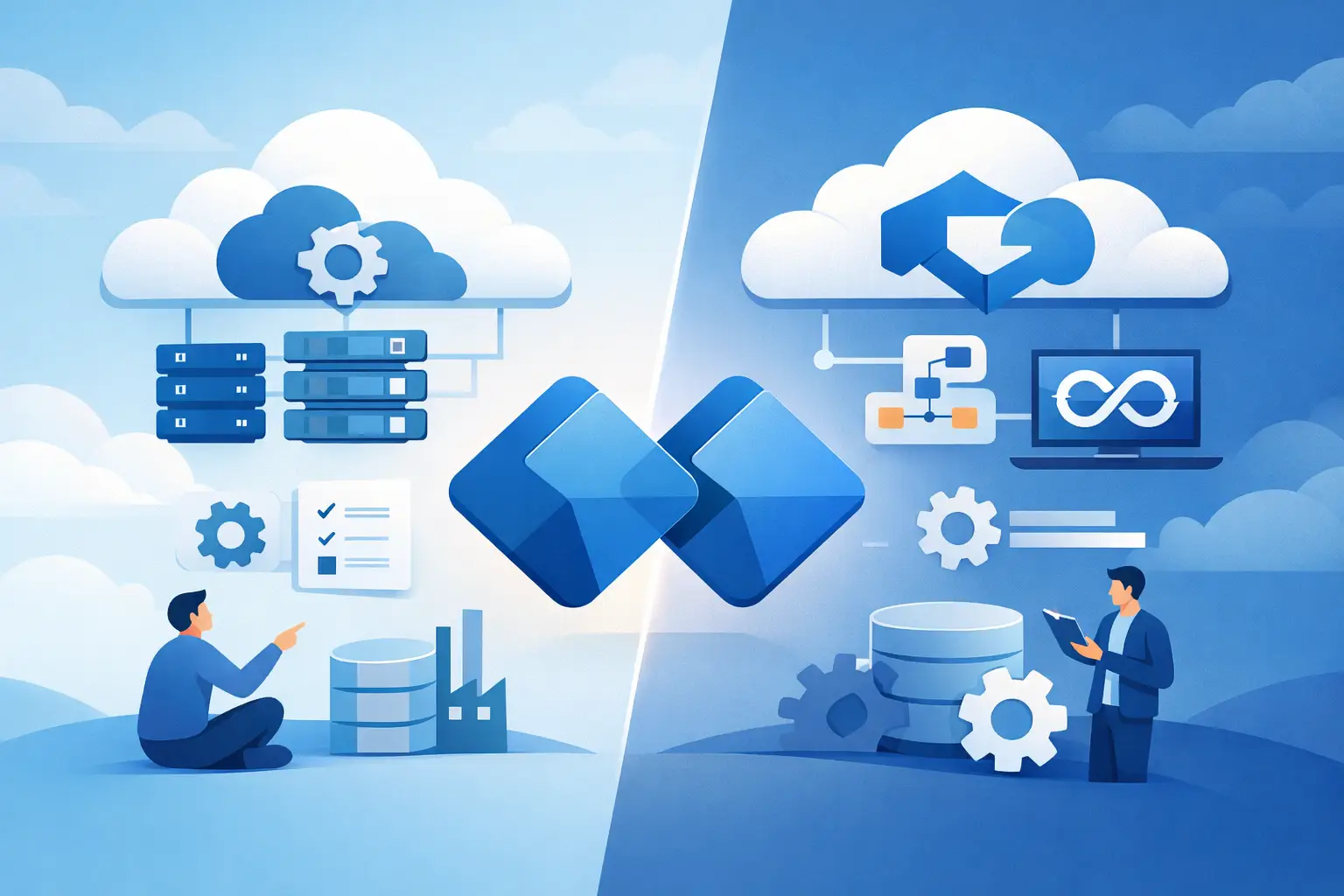
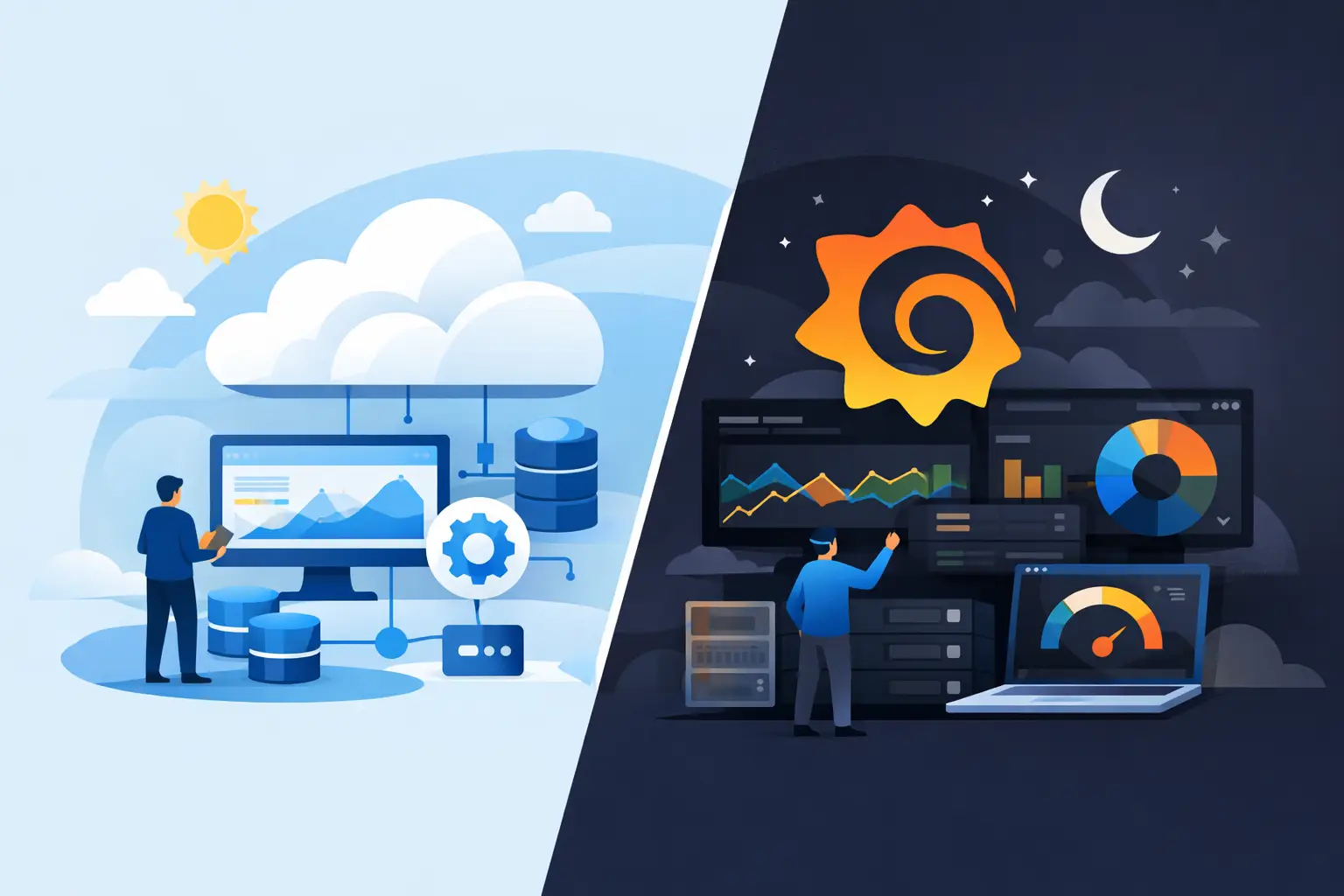
For SAP organizations moving to cloud-centric landscapes, the choice should not be framed as a simple product replacement decision. SAP Cloud ALM provides lifecycle management capabilities designed around SAP implementation, operations, and service processes. Grafana provides flexible visualization and observability capabilities across many data sources. The right operating model often uses SAP Cloud ALM as the lifecycle backbone and Grafana as a complementary dashboard layer where broader technical visibility is required.
SAP Cloud ALM vs Grafana: The Core Difference
SAP Cloud ALM is an SAP-managed application lifecycle management platform. It is designed to help organizations govern SAP transformation programs, monitor SAP cloud services and supported landscapes, manage events and exceptions, coordinate operations, and improve service delivery. Its value comes from connecting operational activities to SAP-aware processes, content, and responsibilities.
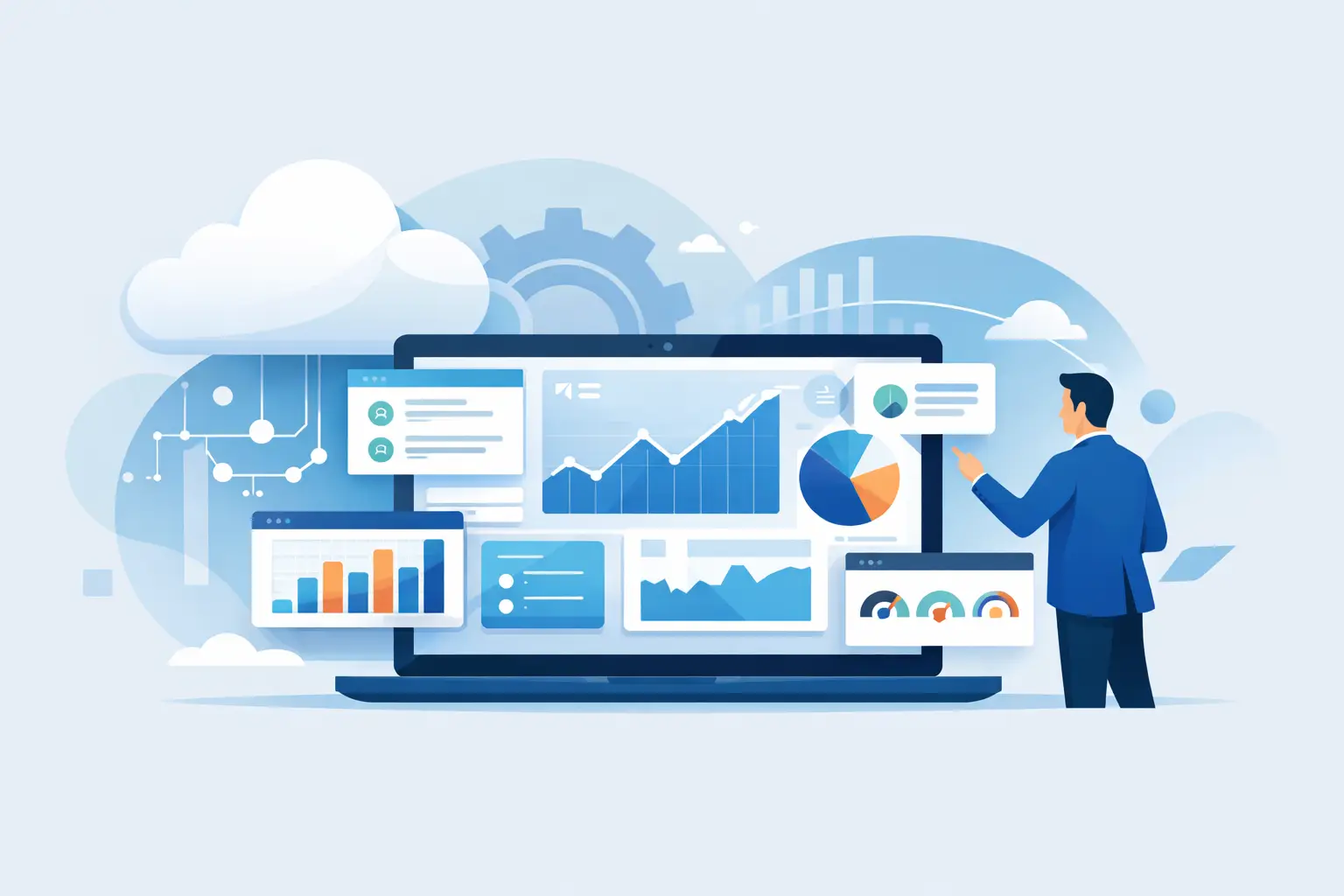
Grafana is a visualization and observability platform. It collects, queries, and presents data from connected sources such as time-series databases, log platforms, cloud monitoring services, and custom APIs. Its strength is flexibility. A Grafana dashboard can bring together infrastructure metrics, application telemetry, security events, integration data, and business indicators in a view tailored to a specific team.
Put simply, SAP Cloud ALM is built to manage the SAP lifecycle. Grafana is built to visualize data. There is overlap in monitoring dashboards and alerting, but the operating outcomes are different. Treating Grafana as a full ALM replacement can leave gaps in implementation governance, SAP-centric operational processes, and service management. Treating SAP Cloud ALM as the only possible visualization layer can limit teams that need to correlate SAP signals with enterprise-wide observability data.
Where SAP Cloud ALM Delivers the Greatest Value
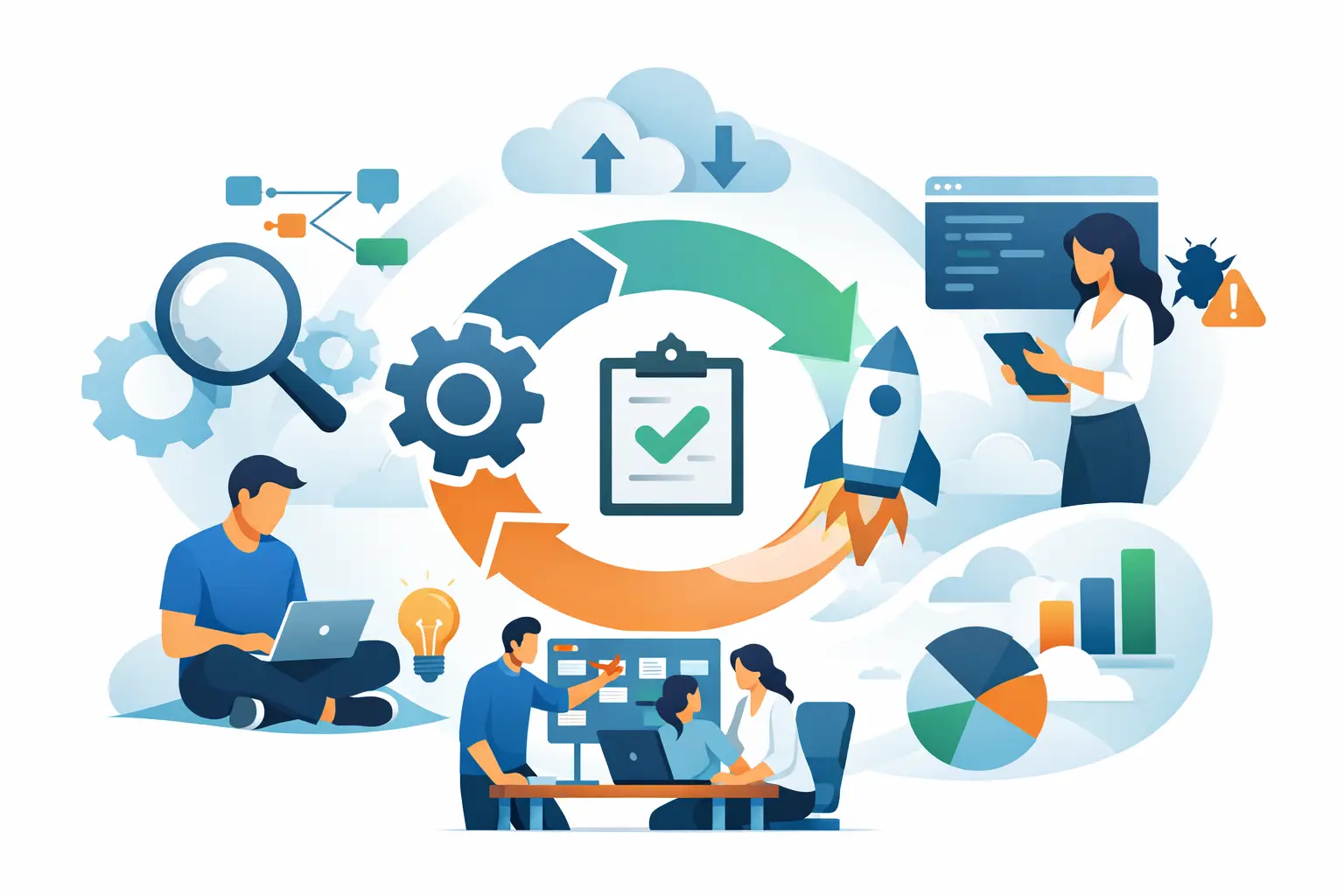
SAP Cloud ALM is particularly relevant when an organization needs discipline across the journey from project delivery to steady-state operation. For implementation programs, it supports task management, requirements traceability, test preparation and execution, deployment coordination, and project transparency. These are governance capabilities, not just technical monitoring features.
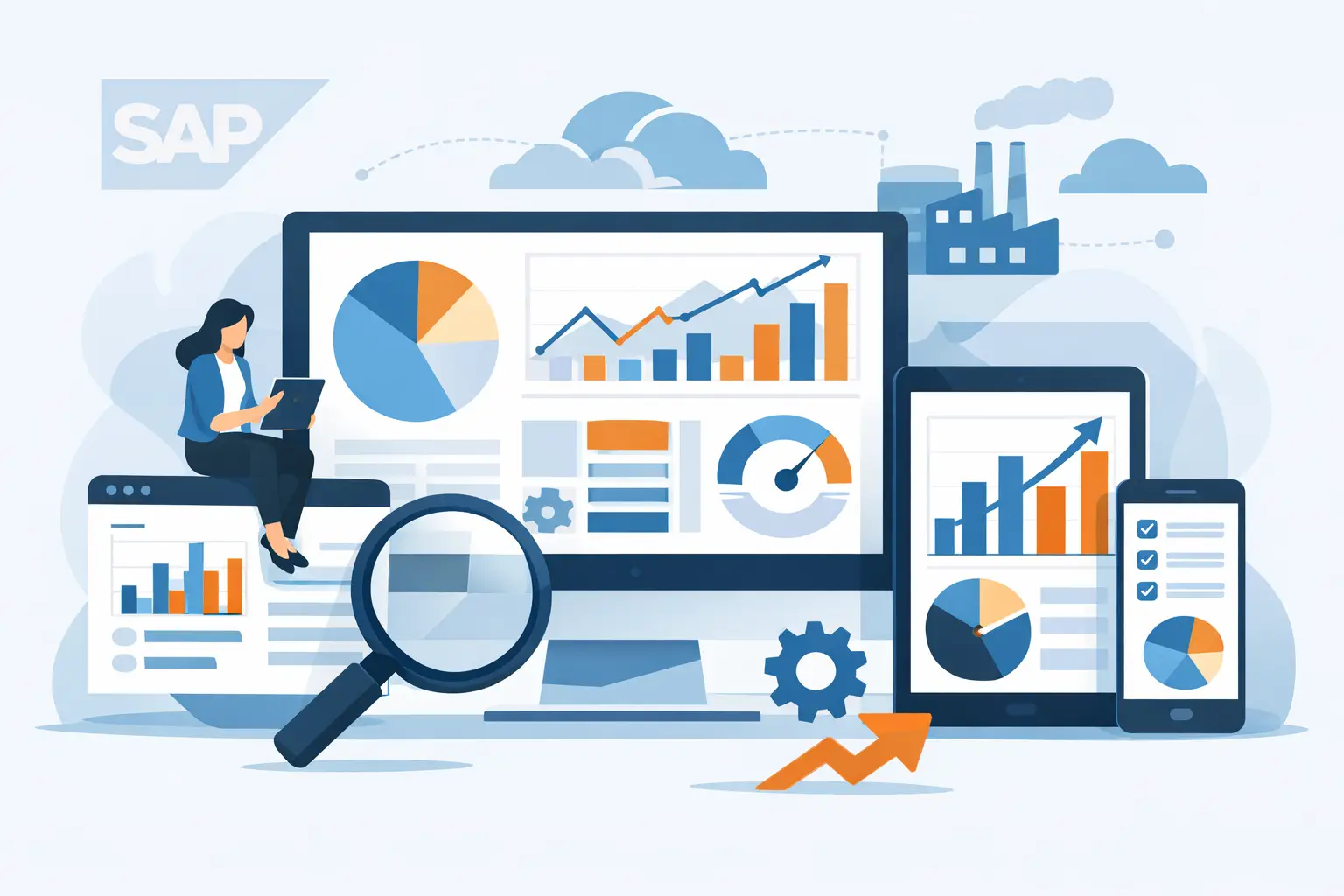
For operations, SAP Cloud ALM helps teams monitor supported SAP services and applications, identify exceptions, manage health-related events, and organize follow-up actions. The platform provides SAP context that is difficult to recreate manually in a generalized dashboard tool. An alert is more useful when the team can understand which SAP service, business process, integration flow, or managed system is affected and what operational procedure applies.
SAP Cloud ALM also supports a more accountable operating model. Operations leaders can establish consistent monitoring standards, assign ownership, document procedures, and use reporting to identify recurring issues. This matters for organizations with distributed SAP teams, managed service providers, or multiple business units that need a common way to run their landscape.
The platform is not intended to be a universal enterprise observability product. Its focus is SAP lifecycle management. That focus is an advantage when SAP reliability, transformation governance, and operational process maturity are the priority.
Where Grafana Is the Better Fit
Grafana is compelling when the monitoring question extends well beyond SAP. A central IT operations team may need one dashboard that combines SAP application availability with Azure or AWS infrastructure metrics, Kubernetes telemetry, network performance, database statistics, Splunk logs, and custom application signals. Grafana is designed for this kind of data aggregation and visual storytelling.
It is also useful when teams need highly customized dashboards for different audiences. An executive may need a simple service-level view. A Basis team may need detailed performance trends. An integration team may need message volumes, error rates, and endpoint response times. With the right data sources and dashboard design, Grafana can provide each audience with a focused view without forcing every question into a standardized interface.
That flexibility comes with operational responsibility. Grafana does not automatically create a monitoring strategy, establish meaningful SAP thresholds, define ownership, or supply lifecycle governance. Teams must design data pipelines, maintain integrations, manage dashboard quality, and prevent an uncontrolled spread of inconsistent views. A visually impressive dashboard is not necessarily an actionable one.
Comparison Areas That Matter in Practice
The decision becomes clearer when teams compare the platforms against real operating requirements rather than feature checklists.
SAP implementation and change governance
SAP Cloud ALM is the stronger choice for implementation governance. It supports the structured work required to move from design through testing, deployment, and transition to operations. Grafana can show delivery or deployment metrics if data is available, but it is not a platform for managing SAP project execution, test processes, requirements, or release readiness.
For a transformation leader responsible for an S/4HANA program, this difference is significant. The program needs traceability and coordinated delivery, not only visual status reporting.
SAP-aware operational monitoring
SAP Cloud ALM provides monitoring capabilities aligned to SAP services and supported scenarios. It helps operations teams work from SAP-relevant events toward investigation and resolution. This reduces the effort required to interpret whether a technical exception has business impact.
Grafana can display the same or related indicators when the underlying telemetry is connected, but it does not inherently understand SAP process context. That does not make Grafana less valuable. It means teams need to supply the context through data models, naming conventions, annotations, runbooks, and integrations.
Enterprise observability and data correlation
Grafana is generally stronger for cross-platform observability. It can consolidate signals from diverse systems into a shared operational view, which is valuable when SAP depends on cloud infrastructure, middleware, third-party applications, and custom services.
SAP Cloud ALM can remain the operational system of focus for SAP while Grafana gives a network operations center or platform engineering team a wider technical picture. This is often more effective than forcing either platform to cover a role it was not designed to perform.
Alert management and response discipline
Both platforms can contribute to alerting, but alert quality matters more than alert volume. SAP Cloud ALM supports SAP-oriented event monitoring and operational follow-up. Grafana alerting can be highly effective across connected data sources, particularly for infrastructure and custom telemetry.
Organizations should define which tool owns which alerts. Duplicate alerts from multiple dashboards create fatigue and slow response. A practical model might use SAP Cloud ALM for SAP application and service events, while Grafana covers infrastructure, platform, and correlated enterprise signals. Escalation paths and runbooks should be consistent regardless of where the alert originates.
Administration, skills, and long-term effort
SAP Cloud ALM requires SAP-specific configuration knowledge, process design, and an understanding of supported SAP capabilities. Grafana requires dashboard engineering, data source administration, query skills, access control design, and ongoing data quality management.
Neither platform is a set-and-forget solution. The cost is not only licensing or platform availability. It is the effort needed to maintain monitoring standards, refine thresholds, onboard systems, train responders, and turn operational findings into improvements.
The Best Approach Is Often SAP Cloud ALM Plus Grafana
For many enterprises, the strongest answer is not SAP Cloud ALM or Grafana. It is a deliberate combination with clear boundaries.
Use SAP Cloud ALM to establish lifecycle governance, manage SAP implementation and operational processes, monitor SAP-centric scenarios, and support accountable service delivery. Use Grafana when teams need a consolidated view across SAP and non-SAP sources, specialized visualizations, or enterprise observability dashboards for infrastructure and platform operations.
This approach works only when the architecture and operating model are intentional. Define the source of truth for each operational domain. Agree on common service names, severity definitions, ownership groups, and response procedures. Avoid creating two competing monitoring centers where teams debate which dashboard is correct during an incident.
CloudALMexperts helps SAP organizations design this model around their landscape, operational maturity, and transformation objectives. The goal is not to add another tool. It is to create a monitoring and lifecycle management capability that produces faster decisions, clearer accountability, and measurable operational improvement.
How to Make the Decision
Start with the business and operational outcome you need to improve. If the immediate challenge is governing an SAP implementation, building a structured transition to operations, or improving SAP service management, prioritize SAP Cloud ALM. If the challenge is bringing together telemetry from many technologies into tailored technical dashboards, Grafana may be essential.
Then examine the scenarios that create the most risk. A failed integration, degraded user experience, delayed batch job, unavailable cloud service, or infrastructure bottleneck may involve different teams and tools. Map how the signal will be detected, who will investigate it, where the runbook resides, and how resolution will be measured. That exercise exposes whether a platform gap exists or whether the real issue is an unclear operating process.
The most effective SAP operations teams do not measure success by the number of dashboards they create. They measure it by fewer preventable incidents, faster triage, better change outcomes, and clearer ownership. Build your tooling around those results, and let SAP Cloud ALM and Grafana each perform the role they are designed to perform.