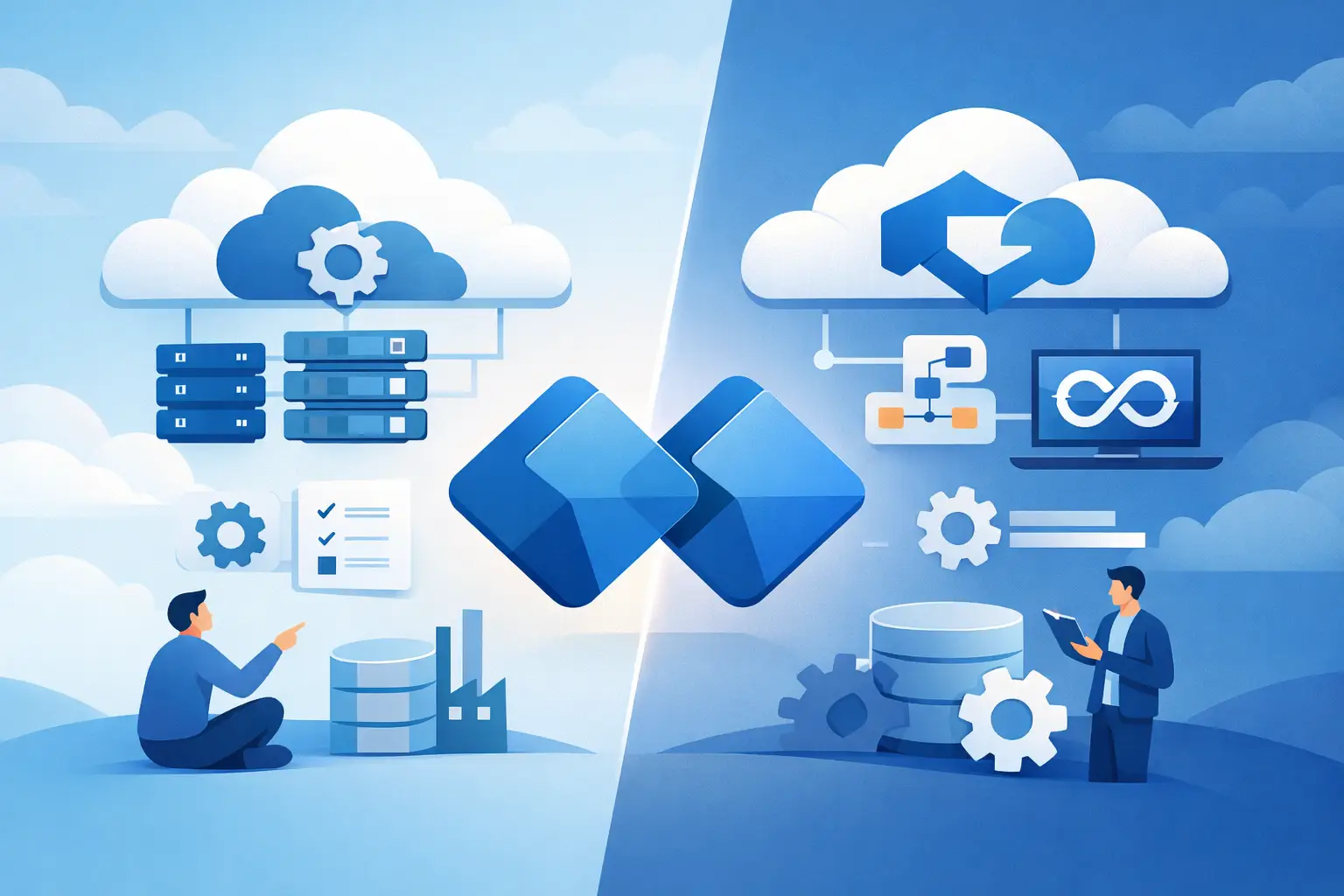
A transformation program can lose momentum long after go-live if implementation governance, monitoring, change control, and service processes are managed in disconnected tools. That is why the SAP Cloud ALM vs SAP Solution Manager decision is not simply a product comparison. It is a decision about how your organization will run SAP in a cloud-oriented future.
SAP Cloud ALM is SAP’s cloud-based application lifecycle management platform, designed to support implementation, operations, and service delivery without requiring customers to maintain the underlying ALM infrastructure. SAP Solution Manager is the established on-premises ALM platform that many SAP organizations have used for years to manage complex landscapes, operations, testing, and custom processes.
Both can play meaningful roles. The right path depends on your SAP roadmap, system landscape, operating model, and the capabilities your teams need now versus later.
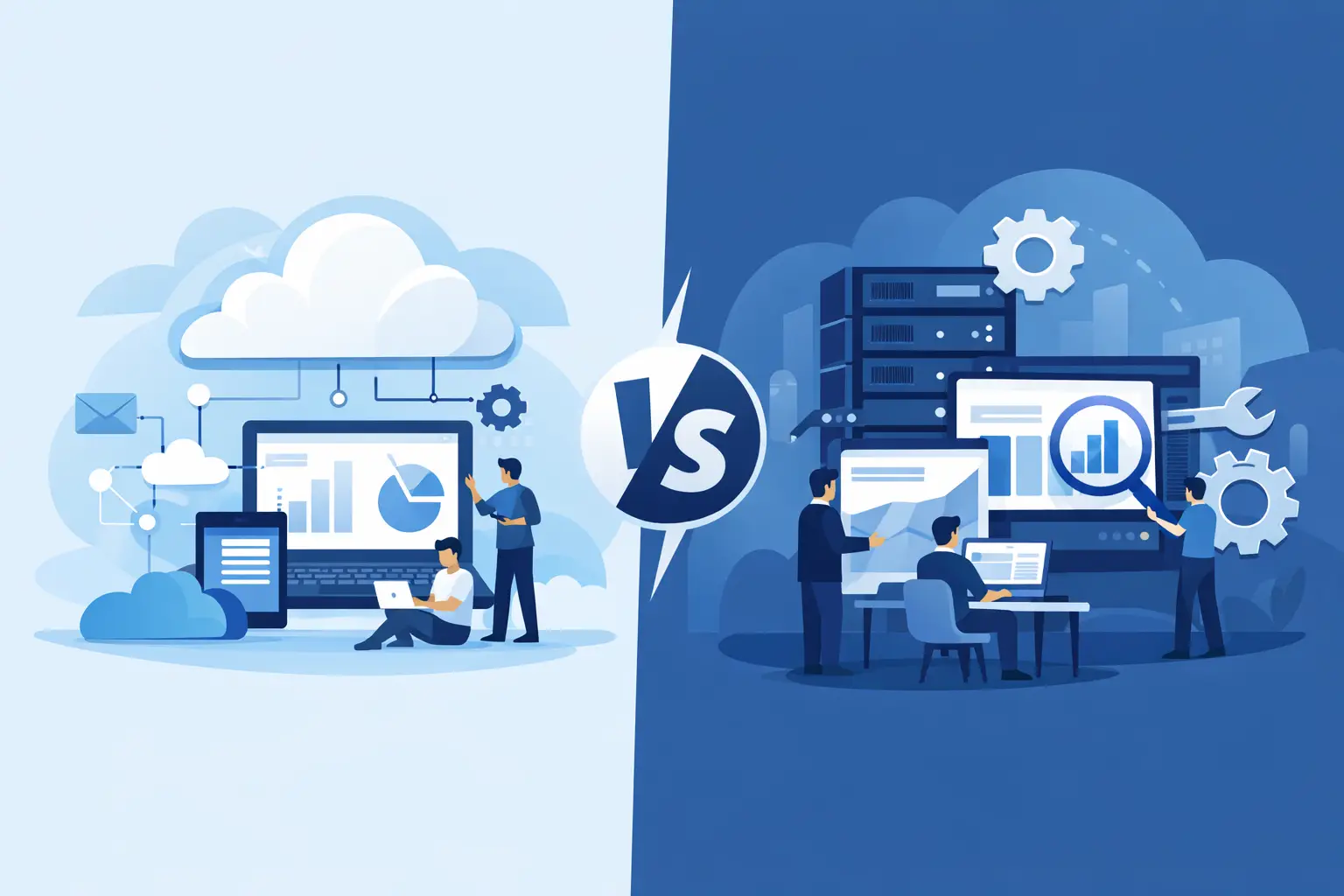
SAP Cloud ALM vs SAP Solution Manager: the Core Difference
The most visible difference is the delivery model. SAP Cloud ALM is a software-as-a-service offering. SAP operates the platform, delivers updates, and continues to expand its capabilities. Your team focuses on configuration, process adoption, data quality, and operational use rather than platform installation, technical upgrades, and infrastructure administration.
SAP Solution Manager is customer-managed and traditionally deployed in an on-premises environment. It has a long history in large, complex SAP estates and offers mature functionality across areas such as change control management, test management, business process documentation, and application operations. That maturity can be valuable, particularly where organizations have made substantial investments in Solution Manager processes and integrations.
However, the products are not identical feature-for-feature alternatives. SAP Cloud ALM is not a lift-and-shift version of Solution Manager. It is a cloud-native platform with a different architecture, user experience, release cadence, and strategic direction. A sound decision starts by comparing required business outcomes, not by searching for a one-to-one replacement for every existing transaction or workflow.
Where SAP Cloud ALM Fits Best
SAP Cloud ALM is a strong fit for organizations implementing or operating SAP cloud solutions, including SAP S/4HANA Cloud and other SAP cloud applications. It provides a common workspace for project delivery, task management, requirements, testing, deployment readiness, monitoring, and service processes.
For implementation teams, SAP Cloud ALM for Implementation creates structure around fit-to-standard activities, requirements, configuration tracking, testing, and deployment. Program managers gain clearer visibility into workstreams and milestones. Functional teams have a shared system of record for project execution rather than relying on spreadsheets, email chains, and separate project tools.
For operations teams, SAP Cloud ALM for Operations helps establish a more consistent view of health and performance across supported services and systems. It supports monitoring, alerting, event management, business process monitoring, and job and automation monitoring capabilities. The practical value is not simply more alerts. It is faster detection, better prioritization, documented response ownership, and an operating model that can scale as the SAP landscape changes.
SAP Cloud ALM for Service extends that lifecycle perspective into support and service delivery. When implementation artifacts, monitoring signals, incidents, and service activities are connected, teams can move from reactive support toward disciplined operational improvement.
The SaaS model also matters for resource-constrained teams. There is no separate ALM system to install, patch, size, or upgrade. That reduces technical administration effort, although it does not eliminate the need for governance. Organizations still need owners for access, standards, alert design, template management, integration decisions, and continuous adoption.
When SAP Solution Manager Still Has a Role
SAP Solution Manager remains relevant for many customers, especially those with substantial on-premises SAP environments and established processes that depend on its deeper or more mature capabilities. A global organization with a highly customized ECC or S/4HANA on-premises landscape, formal change governance, and extensive Solution Manager integrations may not be ready to retire it immediately.
The question is often not whether Solution Manager has value. It is whether it remains the best long-term center of gravity for every ALM activity. SAP has stated that mainstream maintenance for SAP Solution Manager 7.2 ends at the end of 2027. That date should drive proactive planning, not a rushed migration.
Some organizations will continue using Solution Manager during a transition period while introducing SAP Cloud ALM for new cloud implementations or targeted operational use cases. Others will retain selected processes in Solution Manager while assessing SAP Cloud ALM capabilities against future requirements. A hybrid approach can be sensible when it is intentional, governed, and tied to a dated roadmap. It becomes costly when both platforms are maintained indefinitely without clear process ownership.
Compare the Platforms by Operating Outcome
A useful comparison focuses on the work each platform enables.
Implementation governance and project delivery
SAP Cloud ALM is purpose-built to support modern SAP implementation delivery, particularly SAP Activate-aligned projects. It gives transformation leaders visibility into scope, requirements, testing, readiness, and deployment activities in a collaborative cloud environment.
Solution Manager can also support implementation governance and has long been used for project documentation, testing, and process management. Yet teams that are standardizing on SAP cloud solutions often find Cloud ALM better aligned to their future delivery model and SAP’s ongoing cloud innovation.
Monitoring and application operations
Both platforms address operations, but the design priorities differ. Solution Manager offers established operational capabilities and can be deeply embedded in traditional SAP landscapes. SAP Cloud ALM brings cloud-based monitoring and operations capabilities that are especially relevant to hybrid and cloud-centric environments.
Monitoring success depends on design discipline more than on tool activation. Teams should define which systems, interfaces, business processes, jobs, and exceptions matter most. They should establish actionable thresholds, escalation paths, and ownership. For enterprises with broader observability standards, SAP Cloud ALM data can also be incorporated into dashboard strategies using tools such as Grafana, Splunk, or SAP Analytics Cloud.
Administration and lifecycle effort
Solution Manager requires customer ownership of the technical platform. That includes upgrades, security considerations, capacity, integrations, and administrative effort. Organizations with strong Basis and ALM teams may be equipped to manage that responsibility, but it remains a real cost.
SAP Cloud ALM reduces platform-management responsibilities because SAP runs the service. The trade-off is that customers work within a standardized SaaS environment and must adopt SAP’s release cadence. This is usually an advantage for cloud transformation, but teams should validate integration, data residency, authorization, and process requirements early.
Extensibility and specialized requirements
Solution Manager’s long product history means some organizations rely on specialized configurations, custom reports, or mature processes that may not have a direct equivalent in Cloud ALM. Those requirements deserve a precise assessment rather than assumptions.
At the same time, preserving every historical customization is rarely the right transformation goal. A move to SAP Cloud ALM can be an opportunity to simplify processes, retire low-value controls, and standardize work that has become overly tailored over time.
A Practical Decision Framework
Start with your target SAP landscape three to five years from now. If your strategy centers on SAP cloud applications, SAP S/4HANA Cloud, and a standardized lifecycle model, SAP Cloud ALM should be central to the discussion. If critical operations will remain primarily on-premises and rely on mature Solution Manager functionality, a phased approach may be more appropriate.
Then assess capabilities at the process level. Document what your teams actually use today for implementation, testing, change management, monitoring, incident handling, service reporting, and documentation. Separate essential capabilities from habits, workarounds, and functionality that is technically available but seldom used.
Next, define the desired operating model. Who owns monitoring design? How will alerts reach the right teams? What data will be reviewed in operational meetings? How will new projects hand over documentation, test evidence, and support responsibilities after go-live? Technology adoption without these decisions produces another underused platform.
Finally, build a transition roadmap. Prioritize high-value use cases, establish standards, configure a pilot scope, train the teams who will use the platform daily, and measure adoption. Avoid trying to replicate the entire Solution Manager footprint on day one. A staged rollout creates room to validate processes and demonstrate operational value before expanding.
Turn the Choice Into a Managed Transition
For many enterprises, the answer is not a sudden switch from SAP Solution Manager to SAP Cloud ALM. It is a controlled evolution. New cloud programs can begin with Cloud ALM for implementation and operations while existing Solution Manager processes are assessed against business priority, technical dependency, and retirement timing.
This approach requires more than provisioning a tenant. It requires practical configuration, role design, monitoring strategy, implementation templates, operational dashboards, and enablement for project and support teams. CloudALMexperts helps organizations move from initial planning through implementation, administration, monitoring, training, and sustained operational adoption.
The strongest next step is to identify one business-critical lifecycle gap – perhaps inconsistent test governance, fragmented interface monitoring, or unclear post-go-live handover – and use it to define a focused SAP Cloud ALM starting point. A well-run first use case gives your teams evidence, confidence, and a foundation for the broader transition ahead.