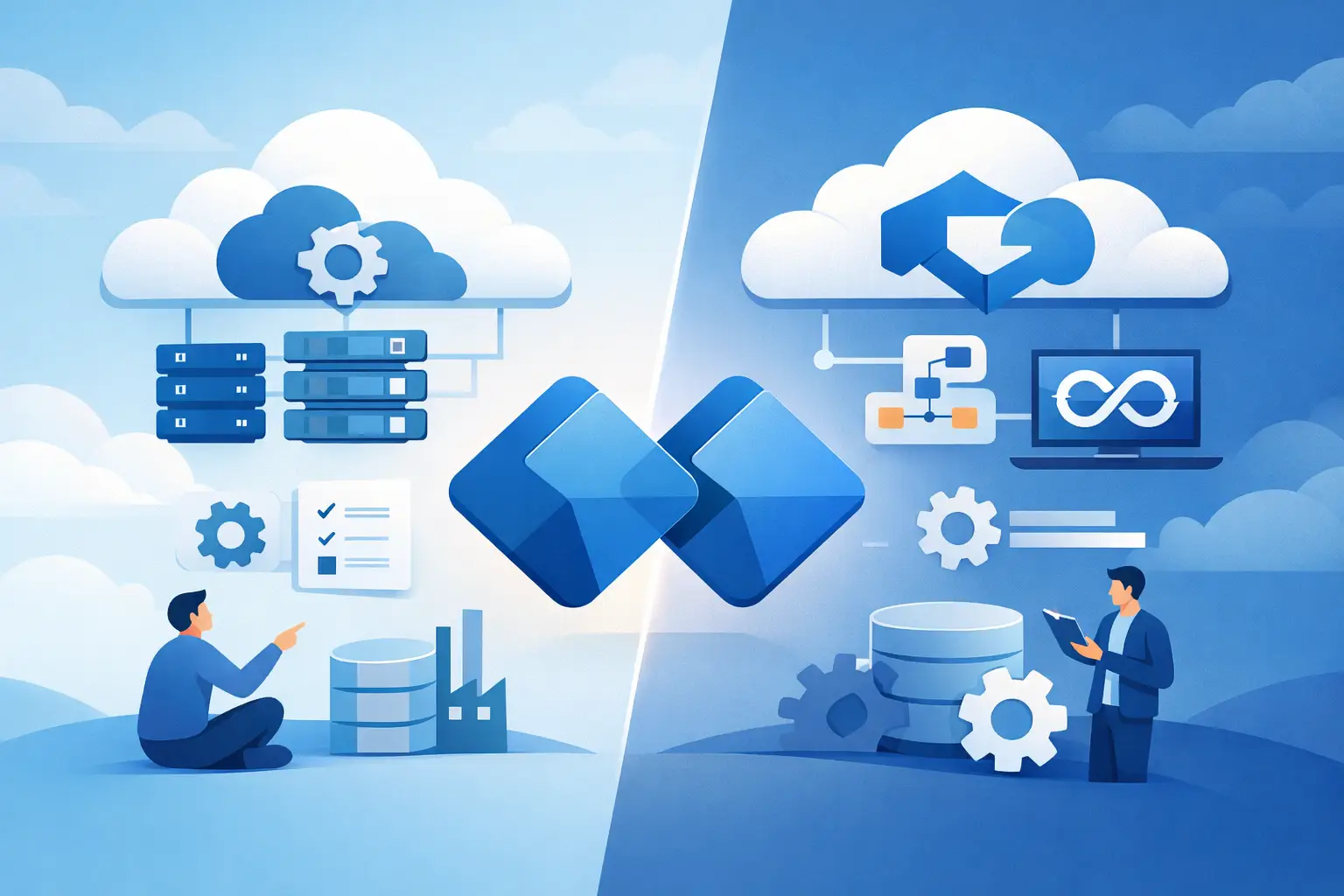
A delayed transport, an untested integration, or an alert without an accountable owner can turn a planned SAP release into an operational incident. Application lifecycle management gives SAP organizations the structure to prevent those failures before they affect business users. It connects how change is planned, built, tested, deployed, monitored, and improved across the life of an application.
For SAP-driven enterprises, this discipline is not simply a project management layer. It is the operating model that aligns transformation programs with dependable day-to-day service. When implementation and operations work from disconnected tools, spreadsheets, and informal handoffs, leaders lose visibility into risk, readiness, and business impact. A well-designed lifecycle approach restores that visibility and turns it into action.
What Application Lifecycle Management Means for SAP Teams
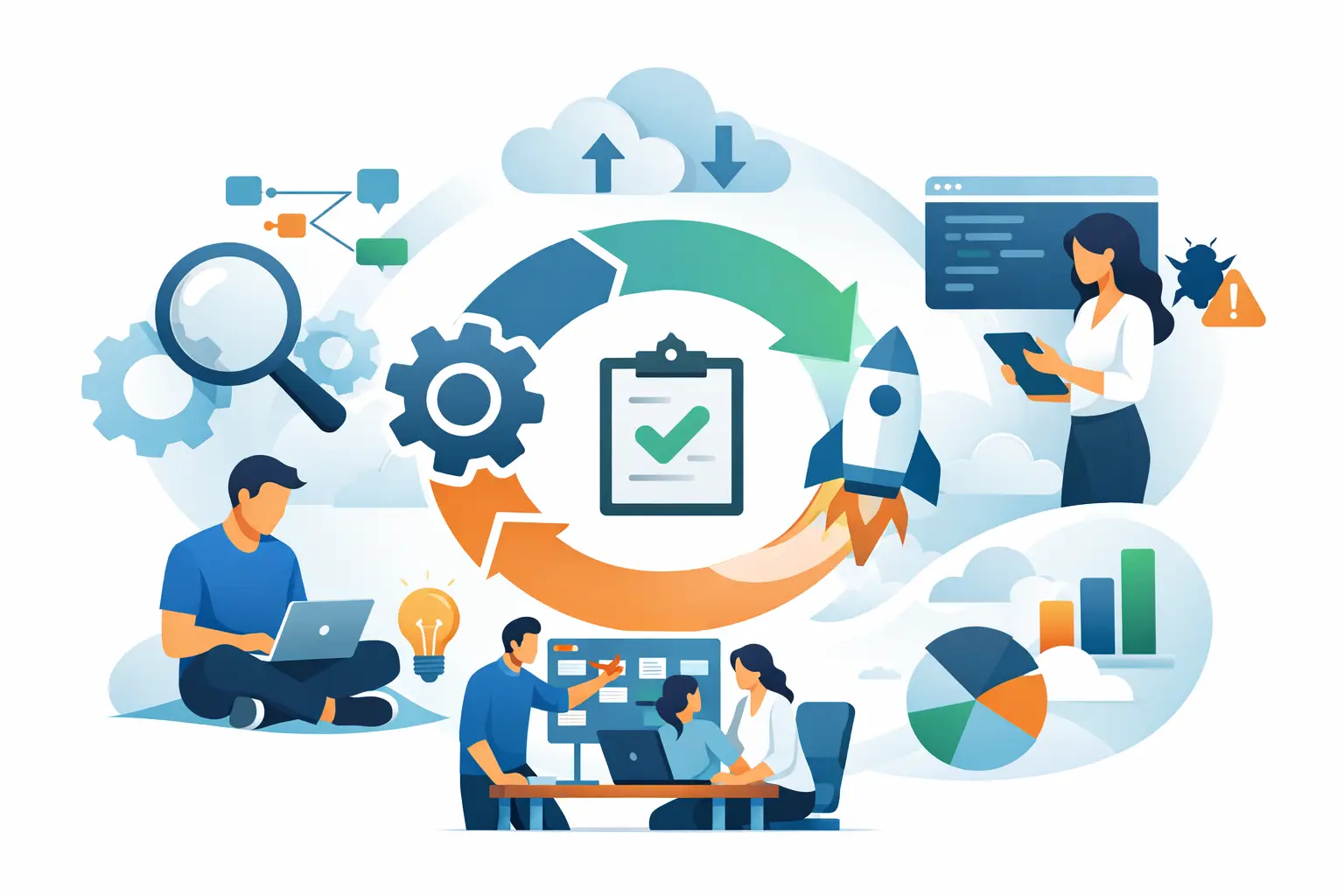
Application lifecycle management, often abbreviated as ALM, covers the people, processes, data, and platforms used to govern enterprise applications from initial requirements through retirement. In an SAP environment, it brings together implementation governance, test management, deployment planning, business process oversight, monitoring, exception management, and continual improvement.
The goal is not to add administrative work around delivery. The goal is to make decisions traceable and execution repeatable. A program manager should be able to see whether requirements have been validated, whether testing supports release readiness, and whether open risks have a clear owner. An operations leader should be able to understand service health, monitor business-critical processes, and escalate issues before they become widespread disruption.
SAP Cloud ALM provides a cloud-based foundation for these activities. It supports implementation and operational scenarios while giving teams a common place to work across SAP cloud landscapes. Its value grows when the organization defines practical governance around it. Technology alone cannot resolve unclear ownership, inconsistent process design, or a lack of operating discipline.
Why Fragmented Lifecycle Management Creates Risk
Many organizations have capable project teams and competent operations teams, yet still struggle to manage the transition between the two. Implementation activities may be tracked in one system, testing evidence in another, transport decisions in email, and operational alerts in a separate monitoring platform. Each tool can perform its individual function, but the full story of a release is difficult to see.
That fragmentation introduces avoidable risk. A business process can be tested without a clear record of the requirement it validates. A release can move to production without a complete view of unresolved defects. An alert can be generated repeatedly without an agreed service-level response or root-cause process. Over time, teams compensate through meetings, manual reporting, and individual expertise. Those workarounds do not scale.
The cost is more than slower delivery. It can include failed changes, longer incident resolution, audit gaps, poor user confidence, and a growing dependence on a small number of experienced people. For organizations managing S/4HANA transformations, cloud migrations, or hybrid SAP estates, these risks can compound quickly.
Build Lifecycle Management Around the SAP Delivery Journey
The most effective approach starts with the customer journey from planning to productive operation. Rather than enabling every available feature at once, teams should prioritize the lifecycle capabilities that solve their immediate control and visibility challenges.
Establish governance before configuration
Start by defining who owns requirements, test sign-off, release decisions, monitoring response, and service reporting. These responsibilities should be clear across business stakeholders, implementation partners, SAP functional teams, Basis teams, and support teams.
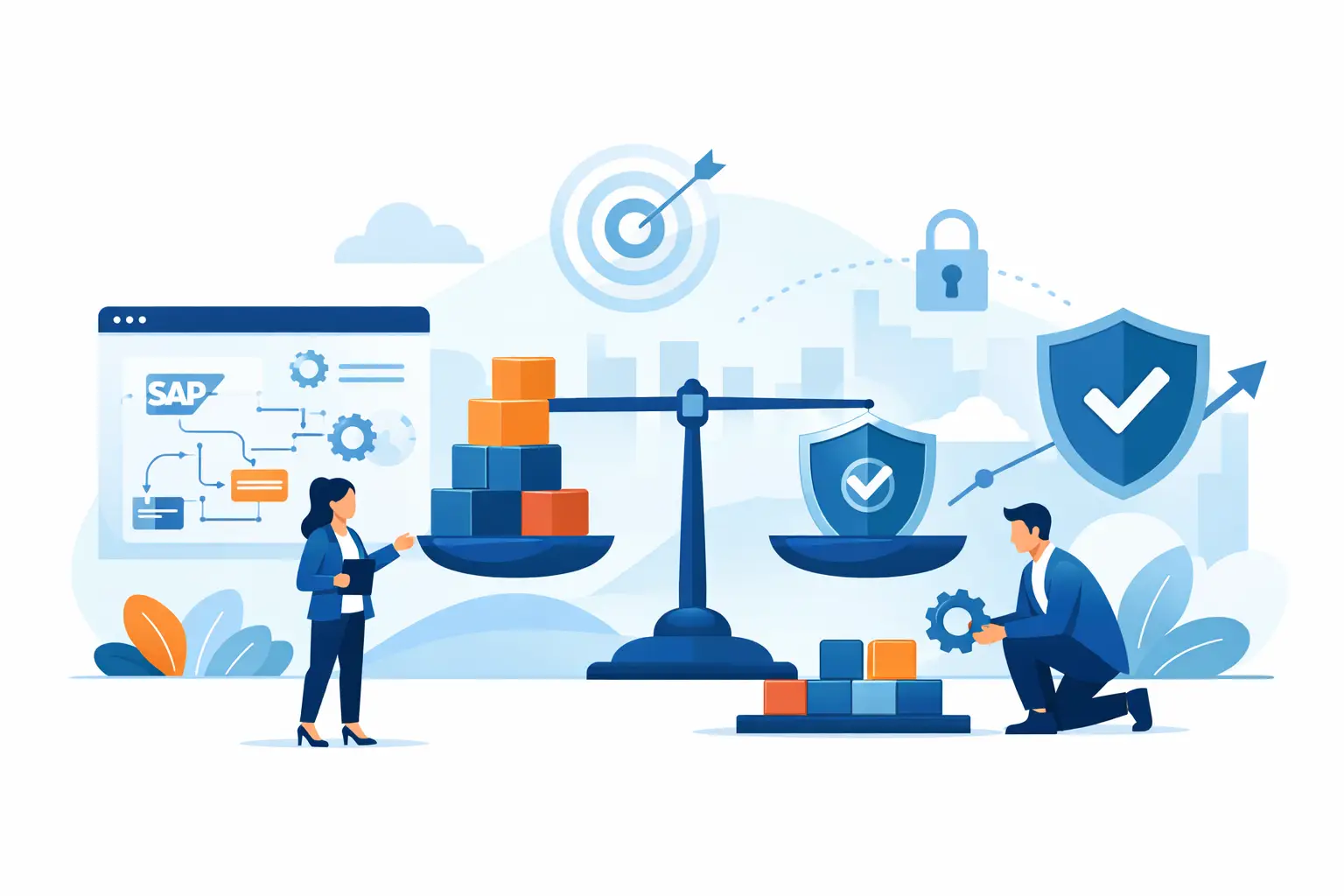
Governance should answer practical questions: What must be complete before a release is approved? Which defects are acceptable at go-live, and who accepts the related risk? Which business processes require heightened monitoring? How will the organization distinguish a warning from an incident? Without these decisions, a configured ALM platform can become another underused repository.
Create traceability from requirements to deployment
Traceability is where lifecycle management becomes valuable to program leadership. Requirements should connect to work items, testing activity, defects, and deployment decisions. This creates an evidence trail that supports quality gates and gives stakeholders a factual view of readiness.
The required level of detail depends on the program. A regulated enterprise or a global template rollout may require formal approvals and extensive test documentation. A smaller enhancement release may need a lighter workflow. The standard should be proportionate, but it should never rely entirely on memory or informal confirmation.
Treat testing as a business control
Testing is frequently compressed when timelines are under pressure. That decision may appear to protect a milestone, but it often transfers risk into the production environment. SAP teams should organize testing around critical business processes, integrations, security roles, data dependencies, and expected operational outcomes.
SAP Cloud ALM for Implementation can help teams organize requirements, tasks, testing, defects, and deployment activities in a connected framework. The practical objective is not perfect documentation for its own sake. It is confidence that the organization has tested what matters and knows where residual risk remains.
Design operational monitoring before go-live
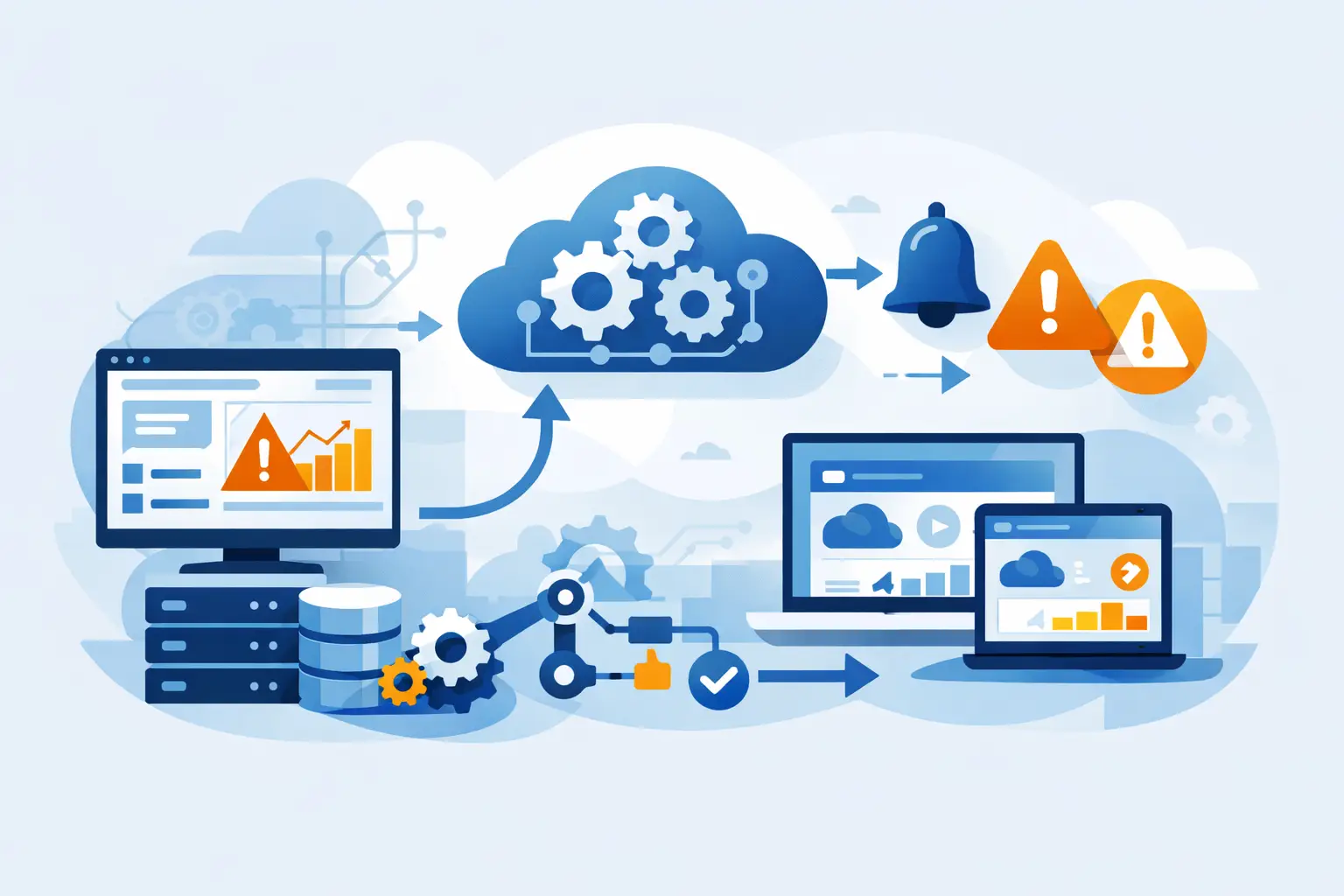
Monitoring should not begin after a production issue occurs. Before go-live, teams need to define which services, interfaces, jobs, business processes, and integrations require observation. They also need thresholds, ownership, escalation paths, and response expectations.
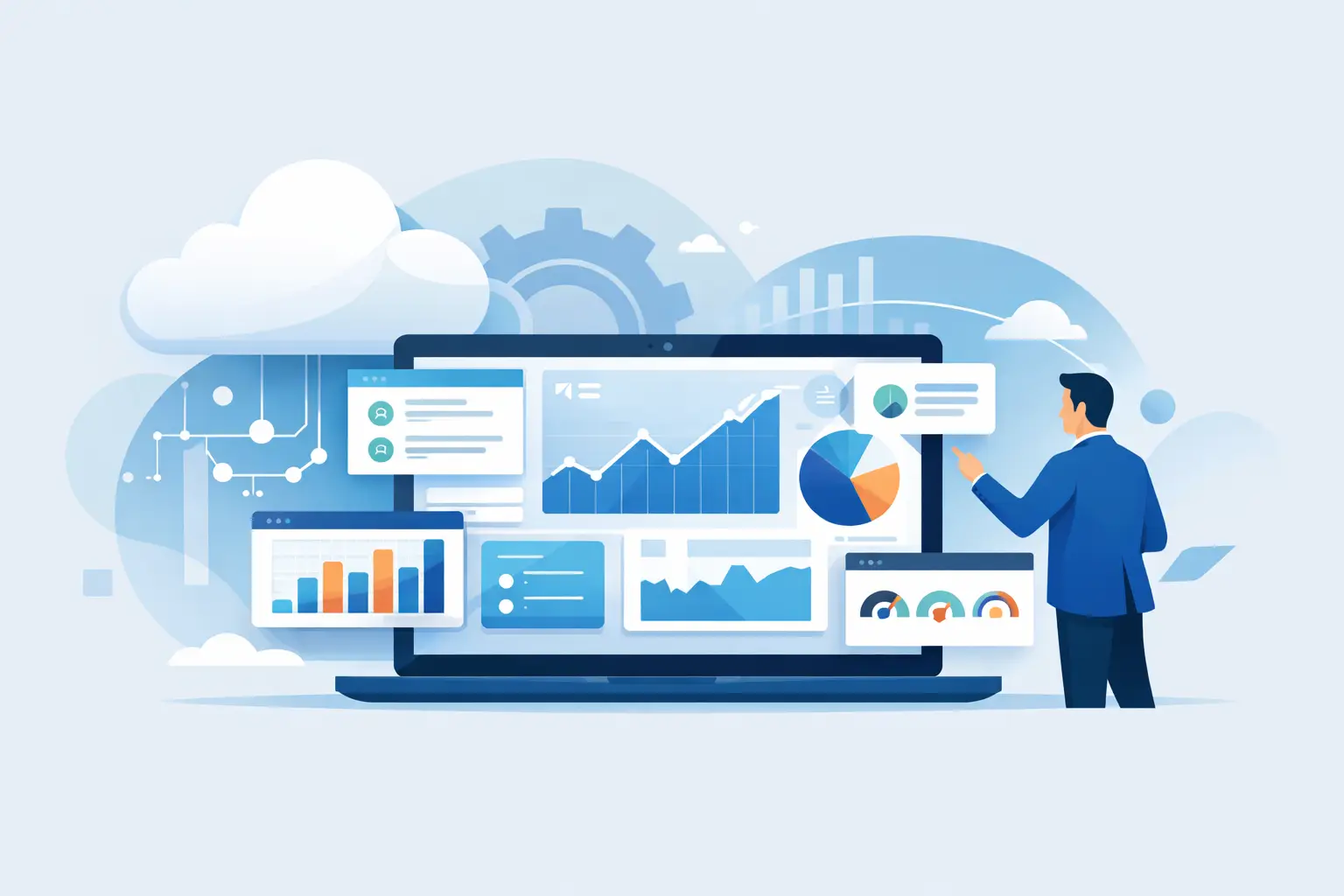
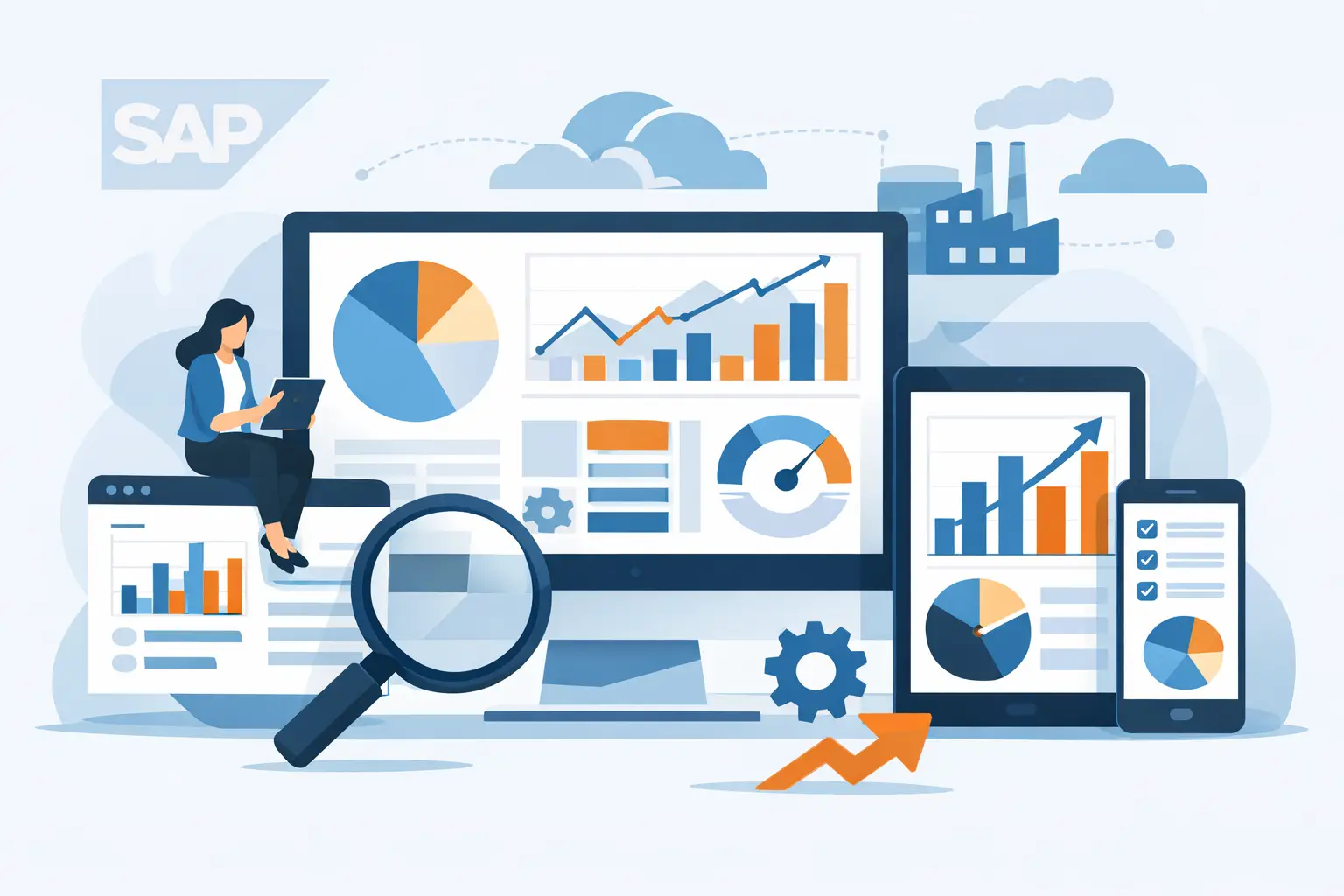
SAP Cloud ALM for Operations can provide a central operational view across relevant SAP cloud services and connected scenarios. Many enterprises extend that view with tailored dashboards in tools such as Grafana, SPLUNK, or SAP Analytics Cloud when leadership needs broader service reporting or cross-platform visibility. The right combination depends on the landscape, existing observability investments, and the audience for the information.
The Capabilities That Matter Most
A mature application lifecycle management model does not mean every team uses the same workflow in the same way. It means the organization has consistent controls where they matter most. In SAP programs, four areas typically deserve early attention:
- Implementation transparency: Requirements, project tasks, test status, defects, and deployment readiness should be visible to the people accountable for delivery.
- Operational observability: Teams need actionable monitoring for availability, integrations, jobs, exceptions, and business process health, not an excessive volume of unprioritized alerts.
- Service discipline: Incidents, problem management, change decisions, and service reporting require defined ownership and measurable response expectations.
- Administration and adoption: Access, configuration, standards, training, and ongoing platform administration determine whether SAP Cloud ALM becomes part of daily work or remains a rarely used tool.
These capabilities reinforce one another. For example, the business processes identified as critical during implementation should inform the monitoring design used in operations. Defects found in production should feed lessons into future release planning and test coverage. That feedback loop is where ALM begins to improve delivery quality over time.
Avoid the Common Adoption Mistakes
The first mistake is treating SAP Cloud ALM as a technical installation rather than a business operating capability. Platform setup is necessary, but it is only the starting point. Teams need use cases, process owners, working agreements, and training that reflects how they actually deliver and support SAP services.
The second is attempting a broad rollout without a prioritized roadmap. A focused starter scope is usually more effective: establish implementation governance for one transformation workstream, or implement monitoring for a set of high-value business processes. Once teams demonstrate value, expand the model in planned increments.
The third is overlooking the transition to operations. Project resources may leave after go-live, while support teams inherit new integrations, new cloud services, and new business expectations. A formal transition plan should include monitoring readiness, runbooks, ownership, access administration, reporting cadence, and knowledge transfer.
Finally, avoid measuring activity instead of outcomes. Counting completed tasks or configured alerts is useful, but insufficient. Leaders should also measure release predictability, defect escape rates, incident response performance, recurring issue reduction, monitoring coverage, and adoption by the teams expected to use the platform.
A Practical Path to SAP Cloud ALM Value
A focused assessment is the right first step for most organizations. Review the SAP landscape, current delivery processes, operational pain points, governance model, and available data. From there, define a target operating model that identifies the highest-value Cloud ALM capabilities and the responsibilities needed to sustain them.
Implementation should follow a phased plan with clear success criteria. Configure the priority scenarios, validate them with real project or operational use cases, and train teams through hands-on adoption. Administration and support should be established early, not deferred until the platform has already become business-critical.
CloudALMexperts supports this journey with specialized SAP Cloud ALM advisory, implementation, administration, monitoring, and transition services. The emphasis should remain on outcomes: clearer release decisions, stronger operational control, and a lifecycle process that teams can reliably use under real delivery pressure.
The next useful question is not whether your organization needs more lifecycle management. It is which SAP process, release risk, or operational blind spot would benefit most from disciplined visibility first. Start there, prove the value, and build the capability into the way your teams operate.