When SAP Cloud ALM is underused, the warning signs show up fast – unclear roles, inconsistent monitoring, missing notifications, weak governance, and teams working around the platform instead of through it. That is where cloud alm administration support becomes a business requirement, not just a technical task. For SAP-driven organizations, administration is the layer that turns Cloud ALM from a licensed capability into an operating model.
SAP Cloud ALM is designed to support implementation, operations, and service processes across cloud-centric SAP landscapes. But getting value from it depends on disciplined setup, ownership, and ongoing care. Administration support covers the practical work that keeps the platform relevant, trusted, and aligned to the way your teams actually run SAP.
What cloud alm administration support really includes
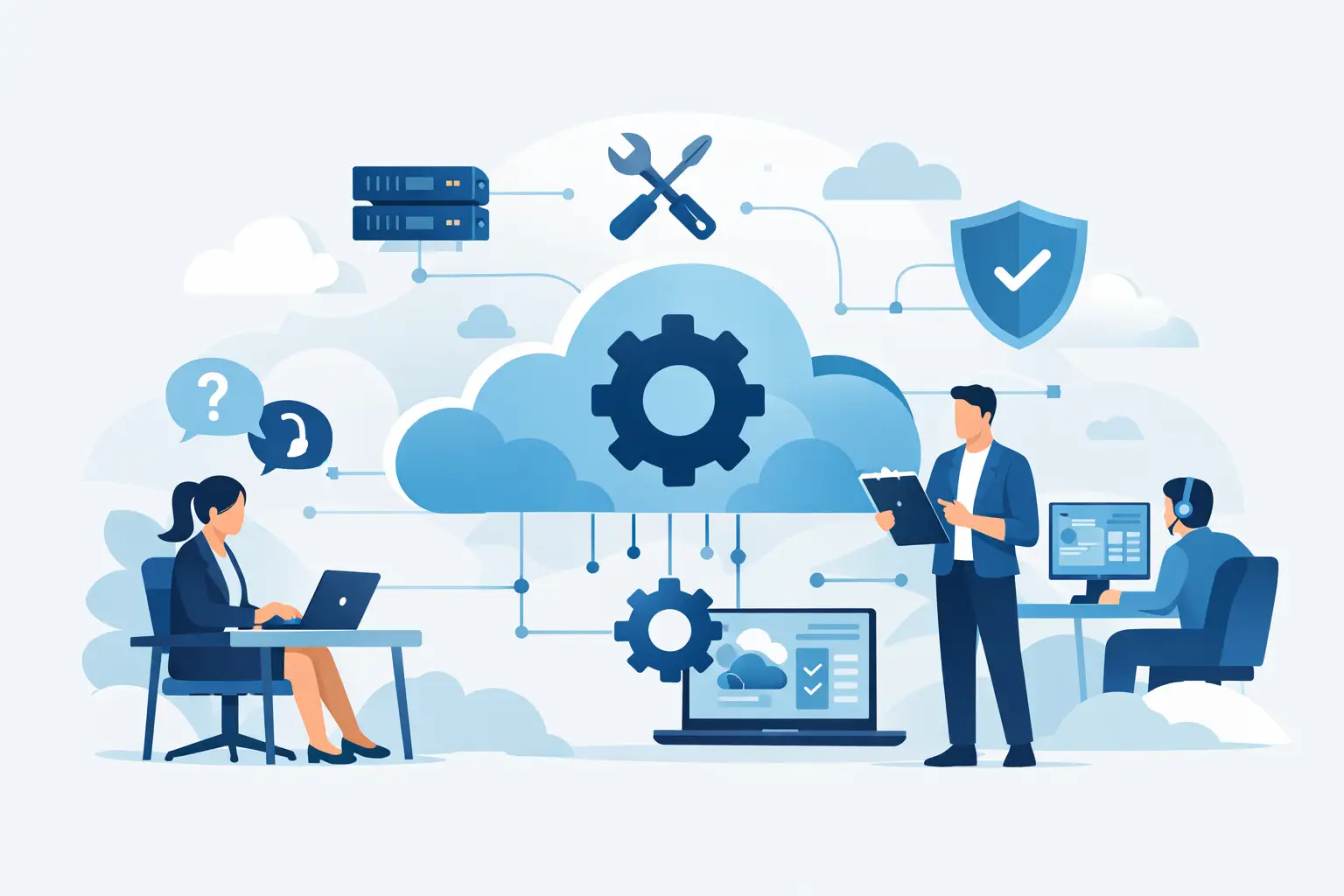
Many organizations assume administration begins and ends with user setup. In practice, that is only a small part of the picture. Effective administration support typically spans tenant configuration, role and authorization design, monitoring setup, notification management, integration alignment, landscape onboarding, data quality oversight, and governance for how the platform is used over time.
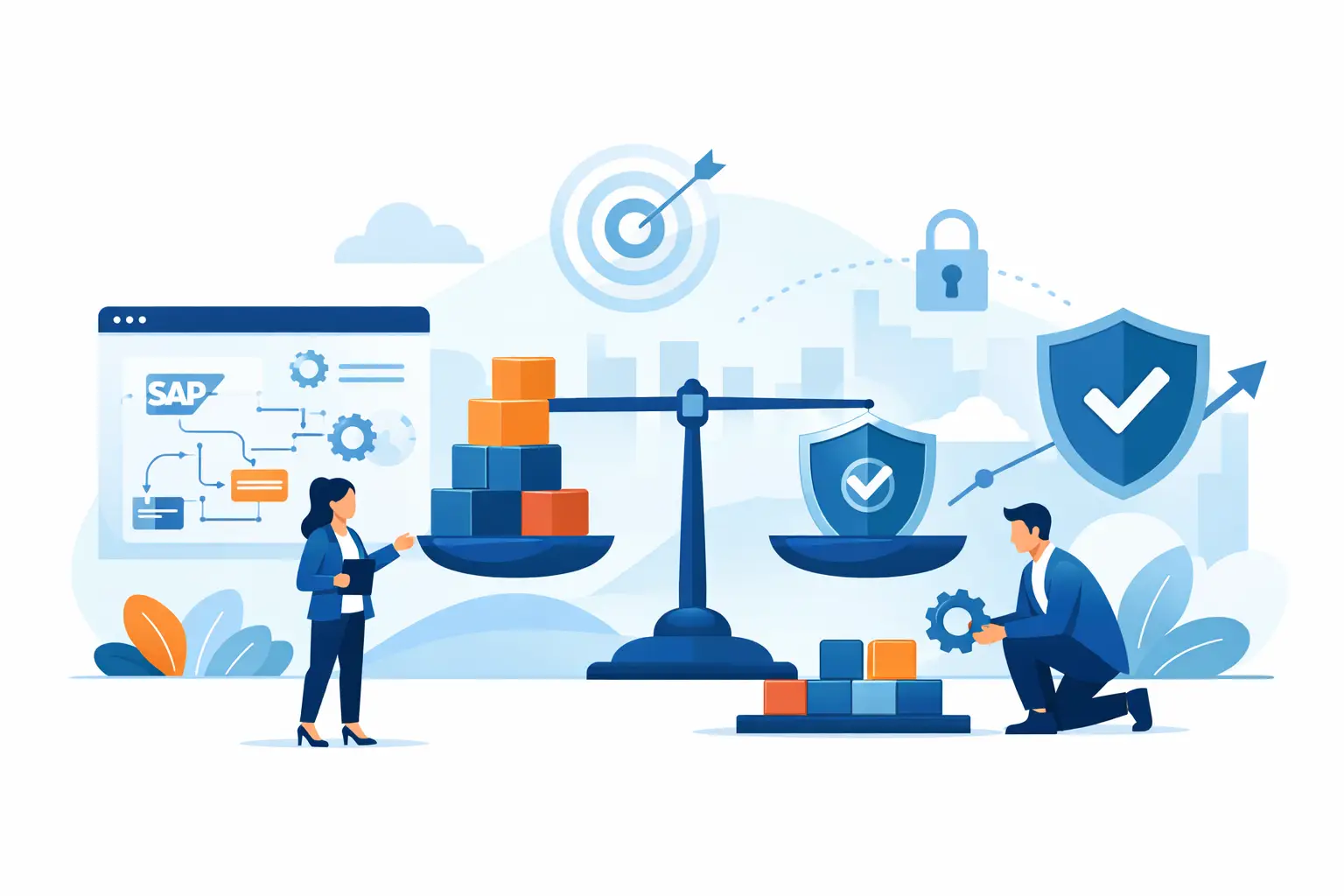
This matters because SAP Cloud ALM sits close to operational control. If monitoring thresholds are poorly set, teams miss meaningful incidents or get buried in noise. If responsibilities are vague, alerts go unowned. If project and operations processes are configured without regard to actual team structure, adoption weakens and reporting loses credibility.
Good administration support brings discipline to all of those areas. It creates consistency without forcing a generic model onto a complex SAP environment.
Why SAP teams struggle without Cloud ALM administration support
The challenge is rarely access to the platform. The challenge is turning platform features into repeatable operational value. SAP program leaders and operations teams often inherit several competing priorities at once – implementation timelines, migration activities, hypercare demands, monitoring gaps, and pressure to standardize governance. In that environment, Cloud ALM administration can become fragmented.
One team may focus on implementation tracking while another is trying to establish operational monitoring. Basis teams may expect one notification model, while service owners expect another. Security teams may require tighter role separation than the initial setup allowed. None of these issues are unusual. The problem is that they compound quickly if administration is treated as a one-time configuration exercise.
This is why specialized support matters. A dedicated Cloud ALM administration approach accounts for both system configuration and the operational realities around it. It recognizes that the right design for a greenfield SAP S/4HANA program may not be the right design for a mature hybrid landscape with established support processes.
The highest-value areas of Cloud ALM administration
The most important administration work usually starts with structure. User roles, team responsibilities, and tenant settings need to reflect how your organization governs implementation and operations. If that structure is wrong, downstream processes become harder to trust.
Monitoring design is the next major value area. In many SAP environments, teams already have enterprise monitoring tools in place. SAP Cloud ALM does not always replace those tools outright. Sometimes it complements them. Sometimes it becomes the SAP-centric control layer while other platforms continue serving wider enterprise visibility needs. Administration support helps define that split clearly, so teams are not duplicating effort or missing accountability.
Alerting and notification management also deserve more attention than they typically get. Too many notifications create fatigue. Too few create risk. The right support model calibrates thresholds, routing, escalation logic, and ownership based on business impact, not just technical defaults.
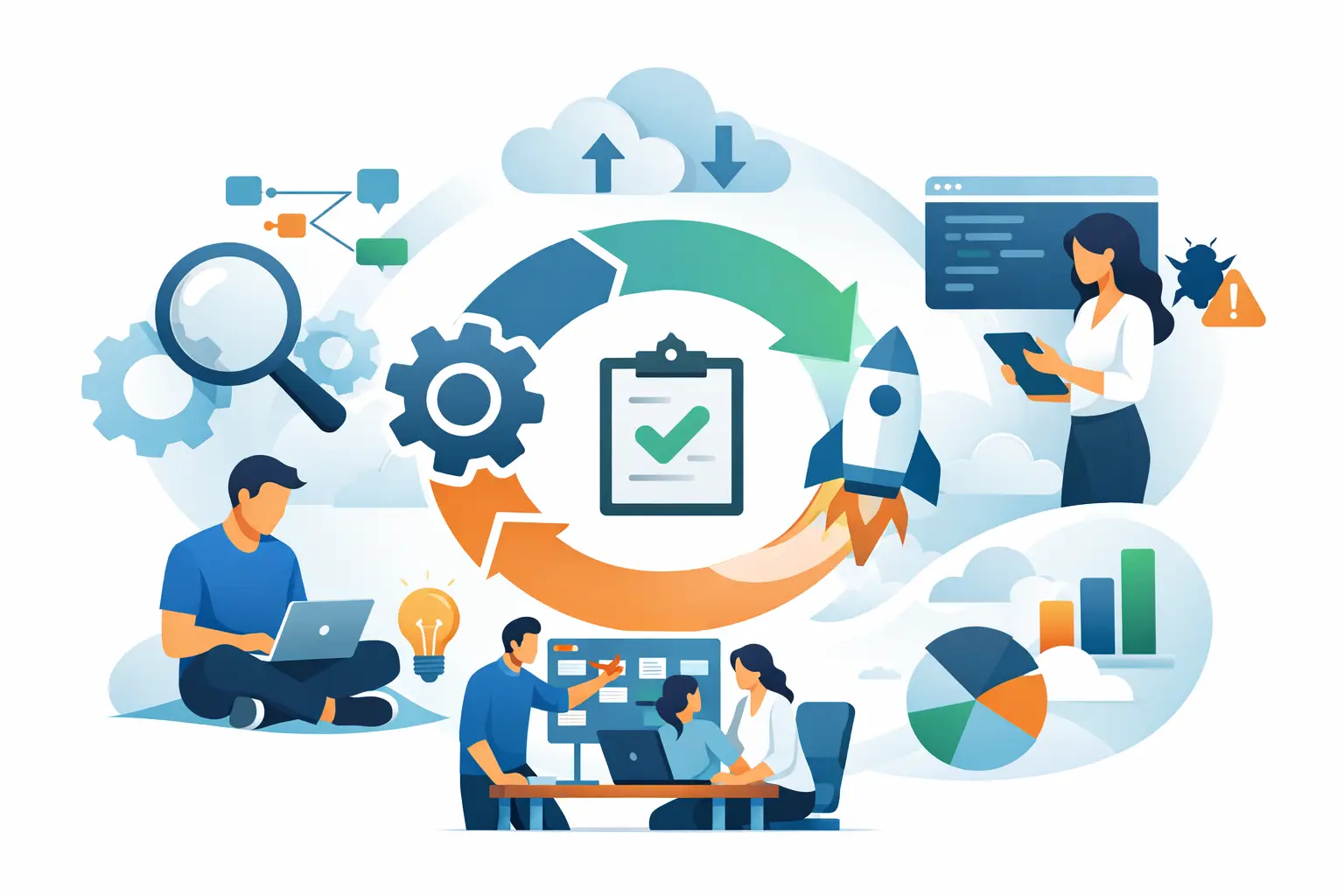
Then there is lifecycle governance. As projects move into operations and operations mature into steady-state support, Cloud ALM configuration often needs to evolve. Administration support should not freeze the platform at go-live. It should help organizations adjust as scope, landscape complexity, and support expectations change.
What good support looks like in practice
Strong Cloud ALM administration support is hands-on and outcome-driven. It does not stop at advice. It translates requirements into working configuration, validates that design decisions support the intended operating model, and helps teams adopt the platform with confidence.
That usually begins with an assessment of the current tenant, landscape, user model, and process objectives. From there, administration support should identify where configuration is incomplete, where governance is weak, and where the platform is not yet aligned with implementation or operations goals. In some organizations, the tenant is active but underconfigured. In others, the platform is configured well enough technically but lacks process ownership across teams.
The best support model closes both gaps. It combines technical administration with operational enablement. That means documenting ownership, clarifying who responds to what, training administrators and support teams, and setting a manageable cadence for review and adjustment.
For that reason, many organizations benefit from working with a specialist partner rather than a broad IT provider. SAP Cloud ALM has its own logic, constraints, and best-fit patterns. Deep product familiarity shortens the path from setup to value.
Cloud ALM administration support is not one-size-fits-all
This is where nuance matters. A smaller organization running a focused SAP cloud transformation may need lightweight administration support with fast setup, core monitoring, and administrator enablement. A larger enterprise may require role design across multiple teams, cross-functional governance, integration planning, and support for a more layered monitoring strategy.
It also depends on where you are in the Cloud ALM journey. During initial implementation, administration support often centers on onboarding, access design, and process setup. During operational adoption, the focus shifts toward monitoring quality, alert handling, dashboard relevance, and service discipline. In transition periods such as post-go-live or support handoff, administration support becomes especially valuable because that is when ownership gaps are most likely to surface.
Organizations that already use tools like Grafana, SPLUNK, or SAC also need clarity on how SAP Cloud ALM fits into the broader reporting and observability picture. Administration support should help define practical boundaries instead of forcing an all-or-nothing tool decision.
How to evaluate a Cloud ALM administration support partner
Experience matters, but specificity matters more. A capable partner should understand SAP Cloud ALM administration as a daily discipline, not an occasional add-on to a wider SAP service catalog. Ask how they handle role design, monitoring calibration, tenant governance, operational handoff, and administrator training. Ask how they approach environments where Cloud ALM must coexist with other monitoring and reporting tools.
You should also look for execution strength. Strategy is useful, but administration support creates value only when the platform is configured, governed, and adopted in a way your teams can sustain. The right partner will be able to explain how they move from assessment to setup to operational stabilization, and where they expect trade-offs depending on your landscape and internal support maturity.
CloudALMexperts fits this model because the focus stays on SAP Cloud ALM itself – not as a side capability, but as a specialized service area spanning implementation, operations, administration, monitoring, and enablement.
Building a stronger operating model with Cloud ALM administration support
The organizations that get the most from SAP Cloud ALM do not treat administration as background maintenance. They treat it as part of SAP governance and operational design. That shift changes the conversation from feature activation to business control.
When administration is done well, teams know who owns what. Monitoring becomes more relevant. Alerting becomes more actionable. Implementation and operations data become more trustworthy. Most importantly, the platform starts supporting decisions instead of creating more uncertainty.
If your SAP environment is growing, changing, or moving through a major transformation, administration support is one of the clearest places to reduce friction early. Not because every tenant needs the same setup, but because every serious Cloud ALM program needs structure, accountability, and ongoing care. Start there, and the platform has a much better chance of delivering the operational discipline your SAP landscape demands.