Administration problems in SAP Cloud ALM rarely start with the tool. They start when ownership is unclear, role design is rushed, or monitoring is switched on before the operating model is defined. If you are working out how to administer SAP Cloud ALM, the goal is not simply to keep the tenant running. The goal is to make the platform usable, governed, and valuable for implementation teams, operations teams, and business stakeholders.
That distinction matters. SAP Cloud ALM administration sits at the point where platform configuration, process discipline, and operational accountability meet. Done well, it reduces friction across projects and support. Done poorly, it creates a tool that technically exists but is inconsistently used.
What SAP Cloud ALM administration actually includes
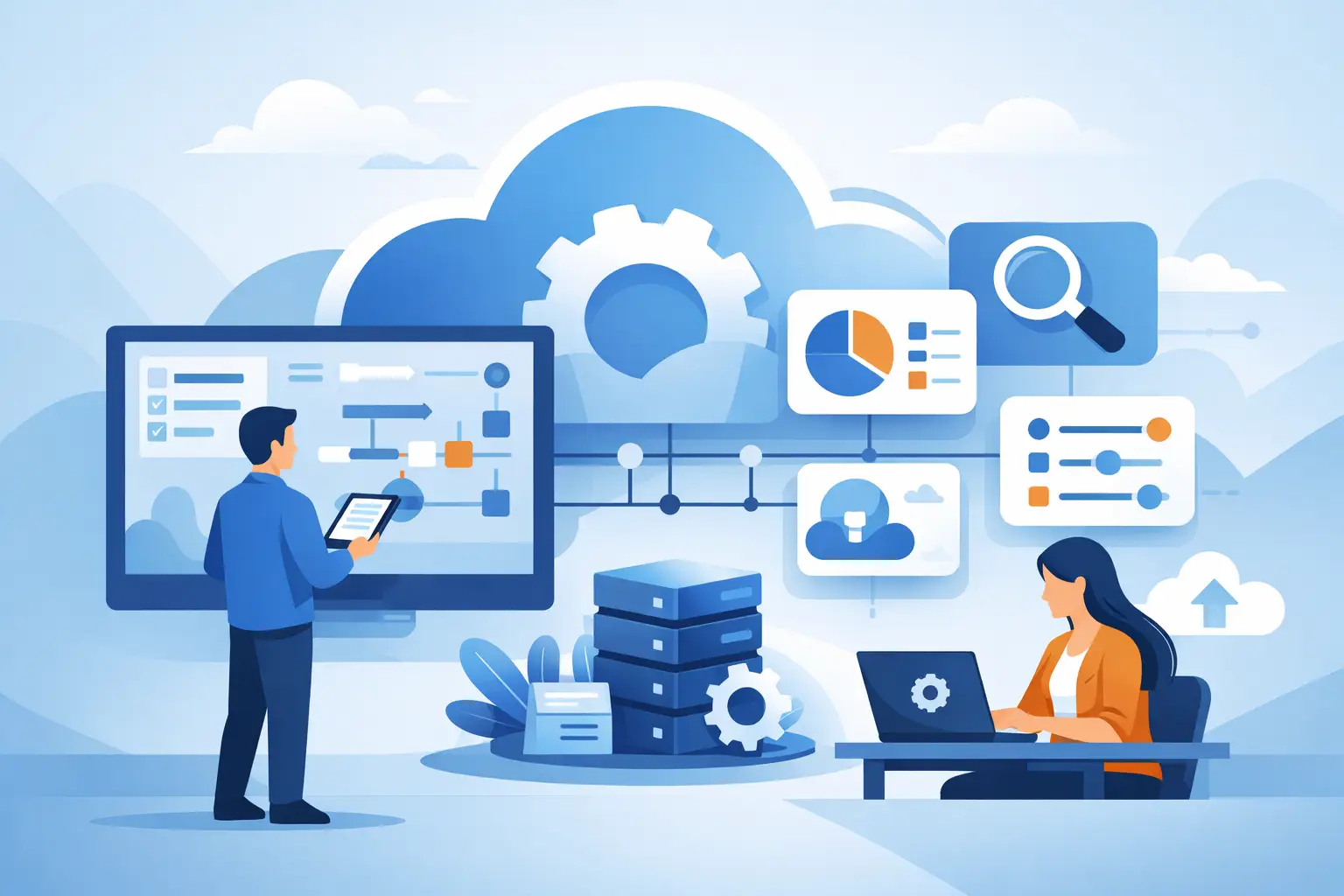
When teams ask how to administer SAP Cloud ALM, they often assume the answer is mostly technical. In practice, administration covers far more than tenant access and initial settings. It includes user and authorization management, scope activation, tenant housekeeping, monitoring setup, notification logic, job scheduling awareness, integration alignment, and the governance needed to keep standards consistent over time.
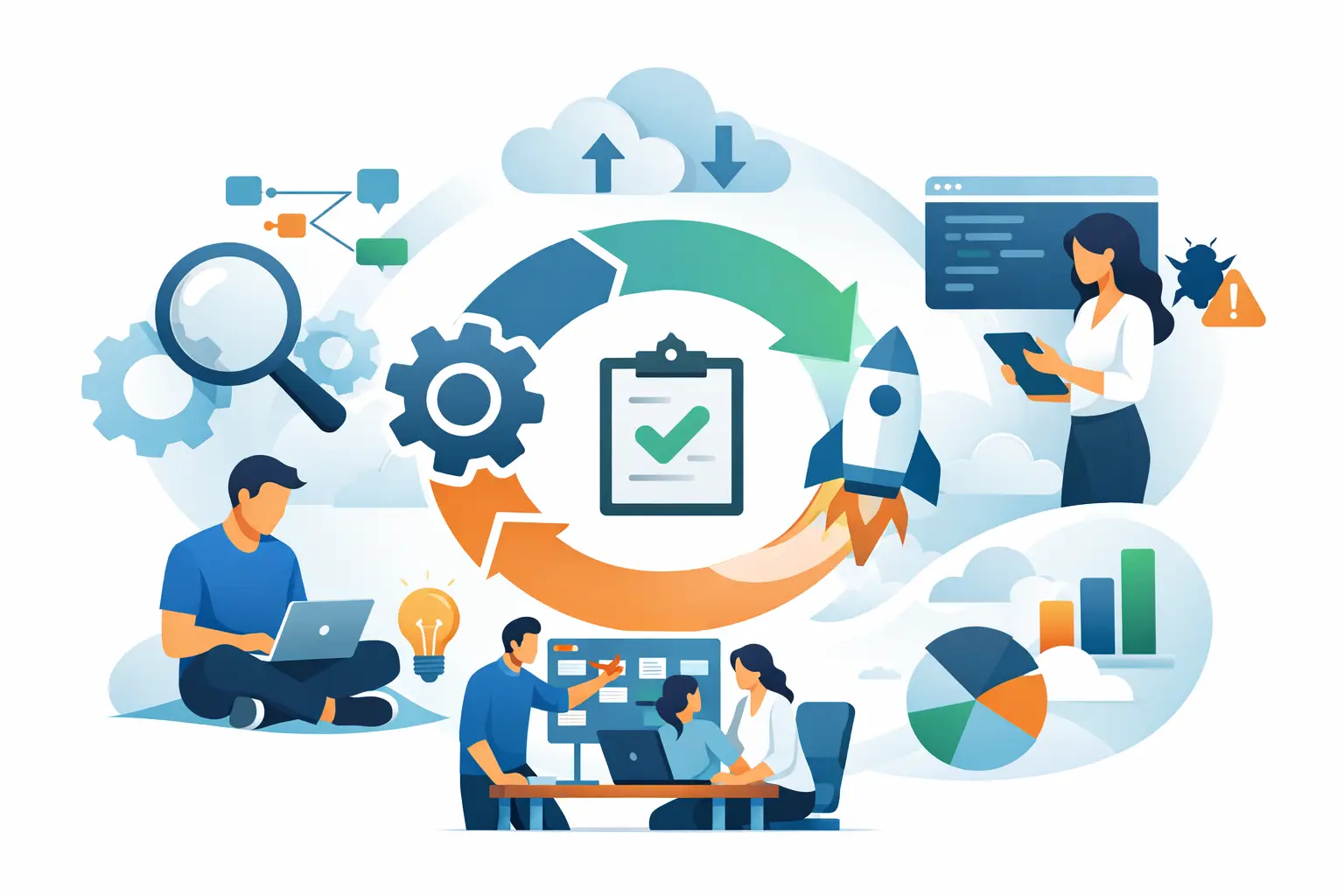
There is also a timing factor. Administration is not a one-time activity completed during onboarding. Your administration model needs to evolve as implementation moves into operations, as new services come into scope, or as different support teams begin using the platform in parallel.
For that reason, the strongest admin models are built around ownership. Someone must be accountable for platform standards, someone must manage day-to-day changes, and someone must make decisions when competing stakeholder needs appear. Without that structure, even well-configured environments tend to drift.
Start with an administration model, not just configuration
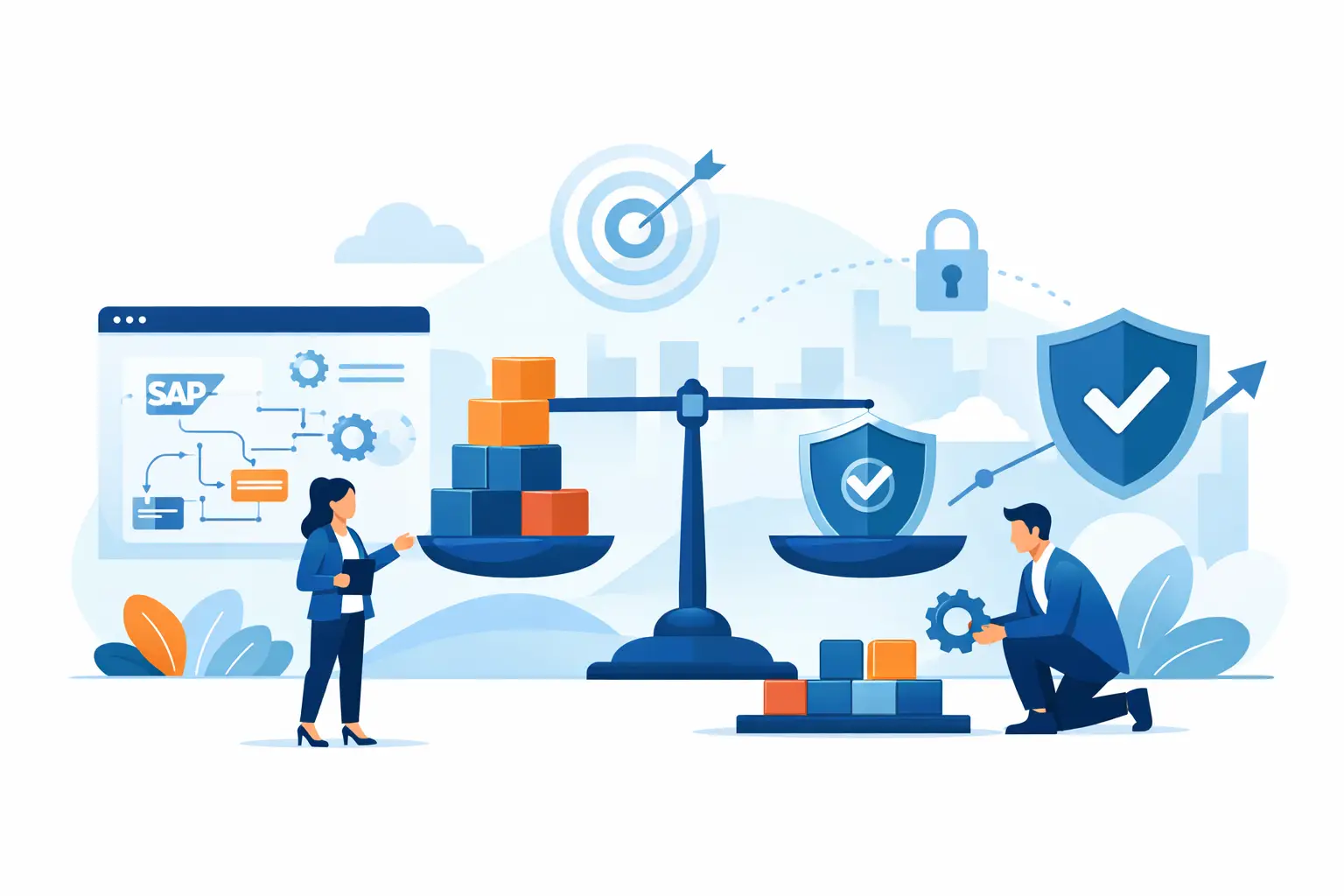
Before adjusting settings, define how the platform will be administered in your organization. This is where many programs save time early and lose it later. A global SAP program may need centralized governance with distributed operational contributors. A mid-sized company may do better with a small, tightly controlled admin team that works closely with Basis, integration, and application support.
The right model depends on scale, system landscape complexity, and organizational maturity. If multiple teams are using SAP Cloud ALM for implementation and operations, a centralized model usually protects consistency better. If a single support organization owns the full lifecycle, a leaner model can work well and speed up decisions.
At minimum, define who owns platform administration, who approves access changes, who maintains monitoring standards, and who reviews adoption and data quality. Those are not administrative details. They shape whether SAP Cloud ALM becomes a reliable control point or another underused platform.
How to administer SAP Cloud ALM from day one
The first phase should focus on establishing a clean foundation. That means confirming tenant readiness, validating connected systems, and setting up roles based on actual responsibilities rather than broad convenience. Overpermissioning is common in early projects because it feels faster. It also creates audit and support issues later.
Role design should reflect business function and operational need. Project managers, implementation leads, operations analysts, and platform administrators should not all have the same access. If they do, accountability becomes blurred and configuration changes become harder to track.
User provisioning should also be planned with lifecycle events in mind. New project waves, partner access, temporary support models, and post-go-live handoffs all affect how authorizations should be reviewed. A setup that works during implementation may be too open for steady-state operations.
Another early priority is scope discipline. Enable only what the organization is prepared to use. Turning on capabilities without a process owner often leads to partial adoption and poor data quality. It is better to activate functions in line with a clear operational roadmap than to create a broad footprint that no one fully manages.
Governing monitoring without creating noise
Monitoring is where administration becomes highly visible. If alerts are too broad, teams ignore them. If thresholds are too narrow, issues are missed. Good administration creates a monitoring model that is actionable, not just technically complete.
That requires alignment between platform administrators and the teams that respond to incidents. An alert is only useful if someone knows what it means, who owns it, and what action should follow. This is especially important in hybrid landscapes where SAP and non-SAP monitoring practices may already exist.
The best approach is to start with a limited set of business-relevant and operationally meaningful monitors, then expand based on actual experience. Many organizations try to achieve full coverage immediately. That usually creates noise and slows adoption. A phased model gives teams time to tune thresholds, confirm routing, and establish response discipline.
Administration also needs to cover dashboard logic and reporting consistency. If executive stakeholders, service managers, and technical teams are all consuming different views of operational health, trust in the platform drops quickly. Standardized metrics and agreed reporting definitions are part of administration, not an optional extra.
Data quality, naming standards, and platform hygiene
One of the least glamorous parts of SAP Cloud ALM administration is also one of the most important. Naming conventions, object consistency, documentation discipline, and periodic cleanup determine whether the platform remains usable as it grows.
This matters across implementation and operations. If tasks, requirements, integrations, services, or monitored objects are named inconsistently, reporting loses credibility. Teams spend more time interpreting the platform than using it.
Administrative standards should define naming logic, ownership expectations, review cycles, and archival or cleanup rules where applicable. These controls are easy to postpone when teams are busy. They are much harder to retrofit once the tenant has been in active use for months.
There is a trade-off here. Overly rigid standards can slow teams down, especially during rapid transformation phases. But no standards at all will almost always produce confusion later. The right balance is practical governance – enough control to preserve consistency, without forcing unnecessary approval steps into daily work.
Support the shift from project tool to operational platform
A common failure point appears after go-live. SAP Cloud ALM may be well adopted by implementation teams, but operations teams inherit it without a clear administrative handoff. What worked during deployment does not automatically work for long-term support.
This is where administration needs to mature. Operational roles must be reassessed. Monitoring coverage should be aligned to service priorities. Notification paths need to reflect actual support structures. Review cycles should move from project cadence to operational cadence.
In other words, administration should not freeze at go-live. It should transition with the organization. If your business is expanding cloud services, integrating external observability tools, or changing managed service providers, the admin model should adapt accordingly.
For many organizations, this is also the point where specialist support adds value. A focused SAP Cloud ALM partner such as CloudALMexperts can help bridge the gap between initial setup and operational discipline, especially when internal teams are balancing transformation delivery with day-to-day support demands.
Common mistakes when administering SAP Cloud ALM
Most administration issues are predictable. The first is treating SAP Cloud ALM as self-sustaining after initial activation. It still needs governance, review, and active ownership. The second is assigning administrative responsibility too low in the organization, without enough authority to enforce standards across teams.
The third is assuming technical setup equals adoption. It does not. Administration should support how people work, not just how the tenant is configured. The fourth is neglecting periodic review. User access, monitoring relevance, and platform scope all change over time.
There is also a strategic mistake that shows up in larger programs. Some organizations try to replicate old ALM operating models exactly, even when their cloud landscape and support structure have changed significantly. SAP Cloud ALM works best when administration reflects current-state needs, not legacy habits.
A practical cadence for ongoing administration
If you want administration to stay effective, establish a regular operating rhythm. Monthly reviews are usually enough for access, alert quality, monitor relevance, and open admin actions. Quarterly reviews should look at broader questions such as scope expansion, dashboard usefulness, reporting alignment, and role model fit.
This cadence does two things. It keeps small issues from becoming structural problems, and it creates a forum for decisions that otherwise get delayed. Administration is stronger when it is treated as a managed capability rather than background maintenance.
That is the core answer to how to administer SAP Cloud ALM well. Build ownership first, configure with discipline, govern for usability, and keep adjusting as the platform moves from implementation into live operations. The strongest environments are not the ones with the most features enabled. They are the ones where the platform stays clear, trusted, and useful as the business changes.