A failed SAP change rarely starts with a bad configuration. More often, it starts with an unclear decision: no agreed owner, no definition of readiness, or no evidence that a transport will protect the production environment. ALM governance addresses those gaps by defining how teams make, approve, test, deploy, monitor, and learn from change across the SAP lifecycle.
For organizations moving to SAP cloud solutions, governance cannot be a document that appears at project kickoff and disappears after go-live. It must become an operating discipline. SAP Cloud ALM provides the capabilities to support that discipline, but value comes from aligning the platform with clear roles, practical controls, and measurable outcomes.
What ALM Governance Means in an SAP Environment
ALM governance is the decision-making and accountability framework for application lifecycle management. It establishes who owns requirements, scope, quality gates, release approvals, operational monitoring, incident resolution, and continuous improvement. Its purpose is not to slow delivery with extra administration. Its purpose is to make change predictable, traceable, and safe.
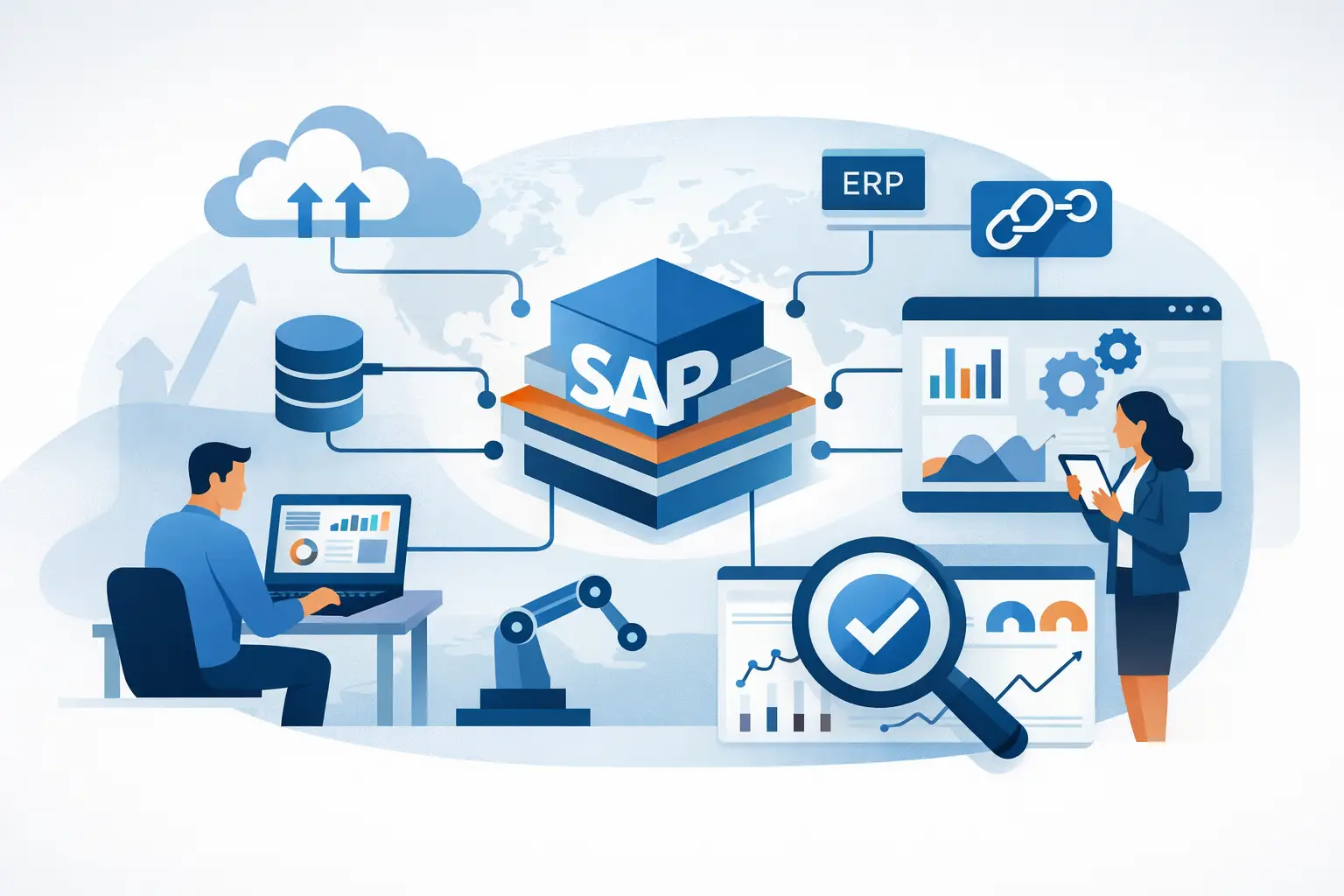
In a SAP landscape, that framework must connect implementation and operations. A program team may use SAP Cloud ALM for requirements, tasks, testing, and deployment tracking during transformation. After go-live, operations teams need monitoring, event handling, job and automation oversight, service-level visibility, and an orderly process for resolving issues. If these practices operate separately, the organization loses valuable context between what was built and what is now running.
Effective governance creates a shared lifecycle view. Business owners can see whether requirements were validated. Project leaders can see release readiness. Operations teams can understand what changed before a service degradation. Leadership can assess whether delivery and support processes are meeting agreed targets.
Why Governance Is Harder in Cloud Transformations
Cloud adoption changes the pace and ownership model of SAP delivery. Updates may be more frequent, integrations often extend beyond the core ERP environment, and business teams expect faster improvement cycles. At the same time, organizations remain accountable for data, process continuity, regulatory obligations, and user experience.
The common response is to add approvals. That can be necessary for high-risk changes, but it is not sufficient. An approval without defined entry criteria merely moves uncertainty from one person to another. A release manager cannot make a sound decision if testing evidence is incomplete, integration dependencies are unknown, or operational teams have not received the information needed to support the release.
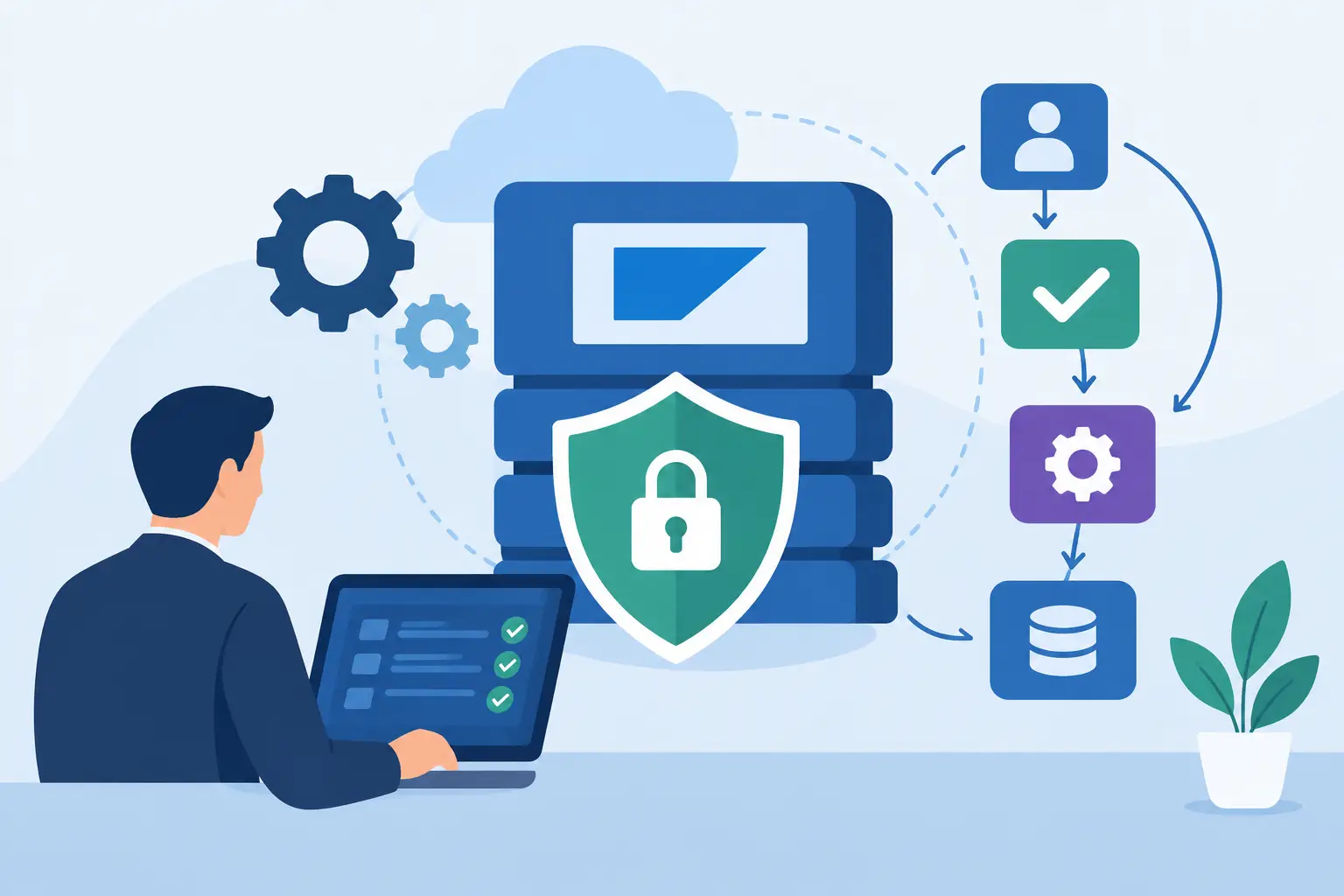
The better approach is risk-based governance. A routine, low-impact configuration change should not face the same path as a release affecting financial close, warehouse execution, security roles, or critical interfaces. Governance should apply the right control at the right point, with evidence proportionate to the business impact.
The Core Decisions Your Governance Model Must Cover
A usable governance model answers practical questions before a project encounters pressure. Who can approve scope changes? What makes a requirement ready for build? When is testing complete? Who accepts residual risk? What evidence is needed before production deployment? Who owns an alert after go-live?
These questions should be reflected in a concise operating model rather than spread across disconnected project plans, ticketing tools, spreadsheets, and meeting notes. SAP Cloud ALM can provide a structured system of record for implementation and operations activities, but teams must first agree on the process it is expected to support.
Define decision rights, not just job titles
Role names alone do not create accountability. A project manager, solution architect, business process owner, release manager, and operations lead may all participate in a release, yet each needs a defined decision right.
For example, the business process owner should confirm that the process meets business acceptance criteria. The technical owner should verify configuration, integration, security, and deployment readiness. The operations lead should confirm that monitoring, support procedures, and escalation paths are in place. The release authority should evaluate the combined evidence and decide whether to proceed.
This separation avoids a frequent failure mode: one team assuming another team has completed a critical check. It also makes exceptions visible. When a release proceeds with an accepted risk, the accountable leader and rationale should be documented rather than buried in a meeting conversation.
Establish quality gates that produce evidence
Quality gates are most effective when they describe observable conditions, not vague intentions. “Testing completed” is not a useful gate. “Priority-one business scenarios passed, critical defects are resolved or formally accepted, integration test results are attached, and business owner approval is recorded” is actionable.
For implementation programs, gates often sit around scope readiness, design approval, build completion, test readiness, user acceptance, deployment readiness, and hypercare exit. For operations, the gates may focus on incident priority, change classification, service restoration, root-cause analysis, and problem closure.
The exact design depends on organizational maturity and regulatory exposure. A global enterprise with tightly controlled financial processes may need more formal approval evidence than a mid-sized organization deploying a contained enhancement. Both, however, need consistent criteria and a clear audit trail.
Connect requirements, testing, deployment, and operations
Traceability is where ALM governance becomes operationally valuable. A requirement should connect to the work item that delivers it, the test evidence that validates it, the deployment in which it moves, and the operational context after release. Without those connections, teams spend too much time reconstructing history during defect triage, audits, and post-release reviews.
SAP Cloud ALM can help teams organize these lifecycle artifacts in one place. The goal is not to record every possible detail. It is to retain the information required to make sound decisions and respond quickly when something goes wrong.
A useful test is simple: if an incident occurs after a release, can the support team determine what changed, which process was affected, who approved it, and whether a known risk was accepted? If the answer requires several hours of manual investigation, governance and tool adoption need attention.
Operational Governance Starts Before Go-Live
A project is not ready for production simply because configuration and testing are complete. It is ready when the organization can run and support the new capability. That includes monitoring design, alert ownership, escalation procedures, support documentation, business communications, and defined service targets.
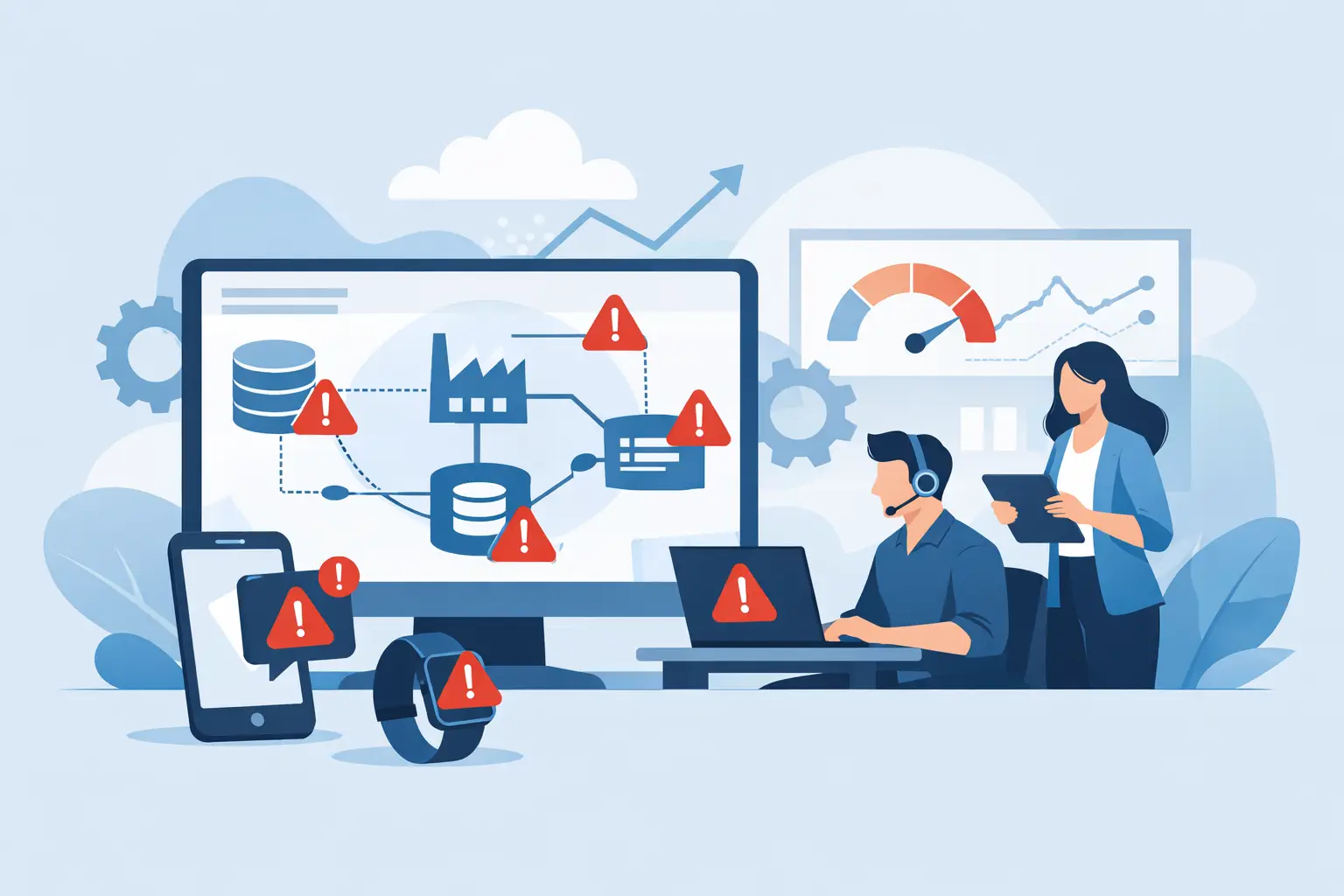
This is especially important for integrations and business-critical background processing. A technically successful deployment can still disrupt the business if interface failures are not detected, jobs are not monitored, or support teams do not know how to triage alerts. Operational readiness should therefore be a formal release criterion, not a post-go-live task.
SAP Cloud ALM for Operations supports this transition by bringing monitoring and operational activities into the lifecycle conversation. Some organizations also need broader dashboarding or correlation across enterprise tools such as Grafana, SPLUNK, or SAP Analytics Cloud. The governance requirement remains the same: determine which team owns each signal, what action is expected, and how outcomes will be measured.
Metrics That Show Whether Governance Is Working
Governance should improve business outcomes, not simply generate compliance artifacts. The most useful measures show whether teams are delivering change with control and whether operations can sustain it.
Track a focused set of measures: release success rate, change-related incidents, test completion against agreed criteria, time to detect and restore service, aging of critical defects, and percentage of alerts with an assigned owner. For transformation programs, requirements traceability and approval cycle time can also reveal where decisions are delayed or evidence is incomplete.
Metrics require interpretation. A low number of recorded incidents may indicate stable services, or it may indicate weak detection and inconsistent reporting. Similarly, faster approvals are not automatically better if teams are approving incomplete evidence. Review trends alongside release complexity, business impact, and recurring problem patterns.
How to Put ALM Governance Into Practice
Start with the decisions that create the most risk or delay in your environment. For many SAP organizations, these are scope changes, release approvals, test acceptance, production access, critical incident escalation, and ownership of monitoring alerts. Define a practical process for each, including accountable roles, required evidence, and escalation rules.
Next, configure SAP Cloud ALM to support the agreed process rather than recreating every legacy control. Standardization is valuable, but excessive customization can make adoption difficult and obscure accountability. Use a pilot release or a defined business process to validate the approach, then refine it based on real team behavior.
Training is equally important. Project and operations teams need to understand not only how to use the platform, but why specific lifecycle information matters to the next team. A well-designed governance model fails when users view it as a reporting burden instead of the mechanism that protects delivery quality and service continuity.
CloudALMexperts helps SAP organizations translate governance principles into working SAP Cloud ALM practices, from implementation setup and operational adoption through administration, monitoring, and team enablement. The strongest results come when governance is treated as a managed capability that evolves with the SAP landscape.
A practical next step is to select one upcoming release and examine it end to end: the requirement, approval path, test evidence, deployment plan, monitoring coverage, and post-release support model. Any missing ownership or evidence found there is not a paperwork issue. It is a clear opportunity to reduce operational risk before the next change reaches production.