A go-live used to be the finish line. For SAP teams running cloud-first landscapes, it is now the point where operational discipline starts to matter most. The future of SAP operations management is not about adding more tools or more alerts. It is about building a model that gives teams earlier visibility, faster response, and better control across increasingly connected SAP environments.
That shift is already underway. SAP customers are moving from reactive support models toward operations that are telemetry-driven, standardized, and tightly aligned with business services. As cloud adoption grows, the pressure on IT leaders, program managers, and operations teams is changing too. They are expected to reduce noise, improve service quality, support transformation programs, and do it without creating another layer of operational complexity.
What is changing in SAP operations
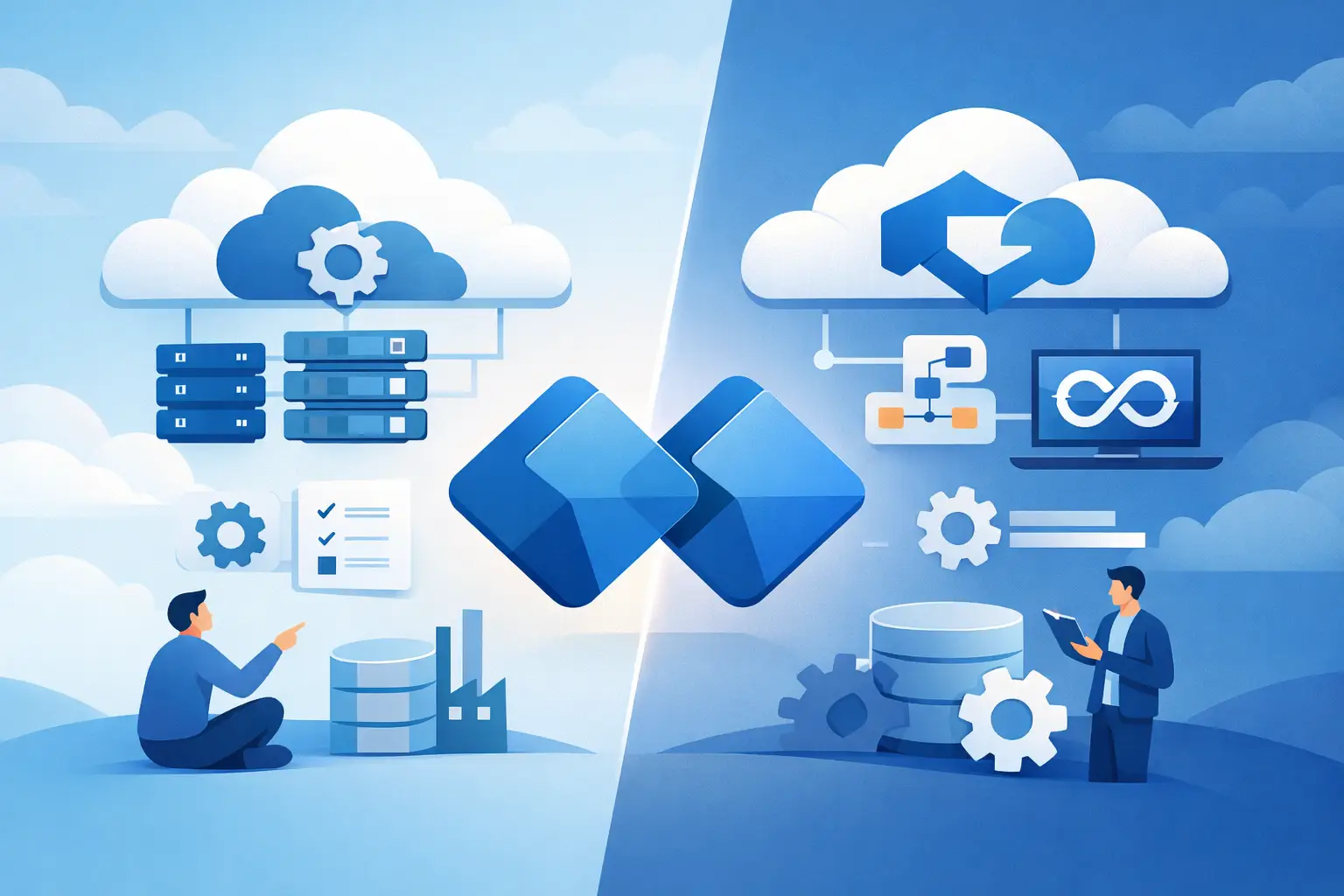
Traditional SAP operations were often built around siloed responsibilities. Basis teams handled technical availability, functional teams handled incidents in their areas, and monitoring was split across multiple platforms. That model can still work in stable, low-change environments, but it struggles when organizations are running SAP S/4HANA, SAP BTP services, integrations, and hybrid landscapes with frequent releases.
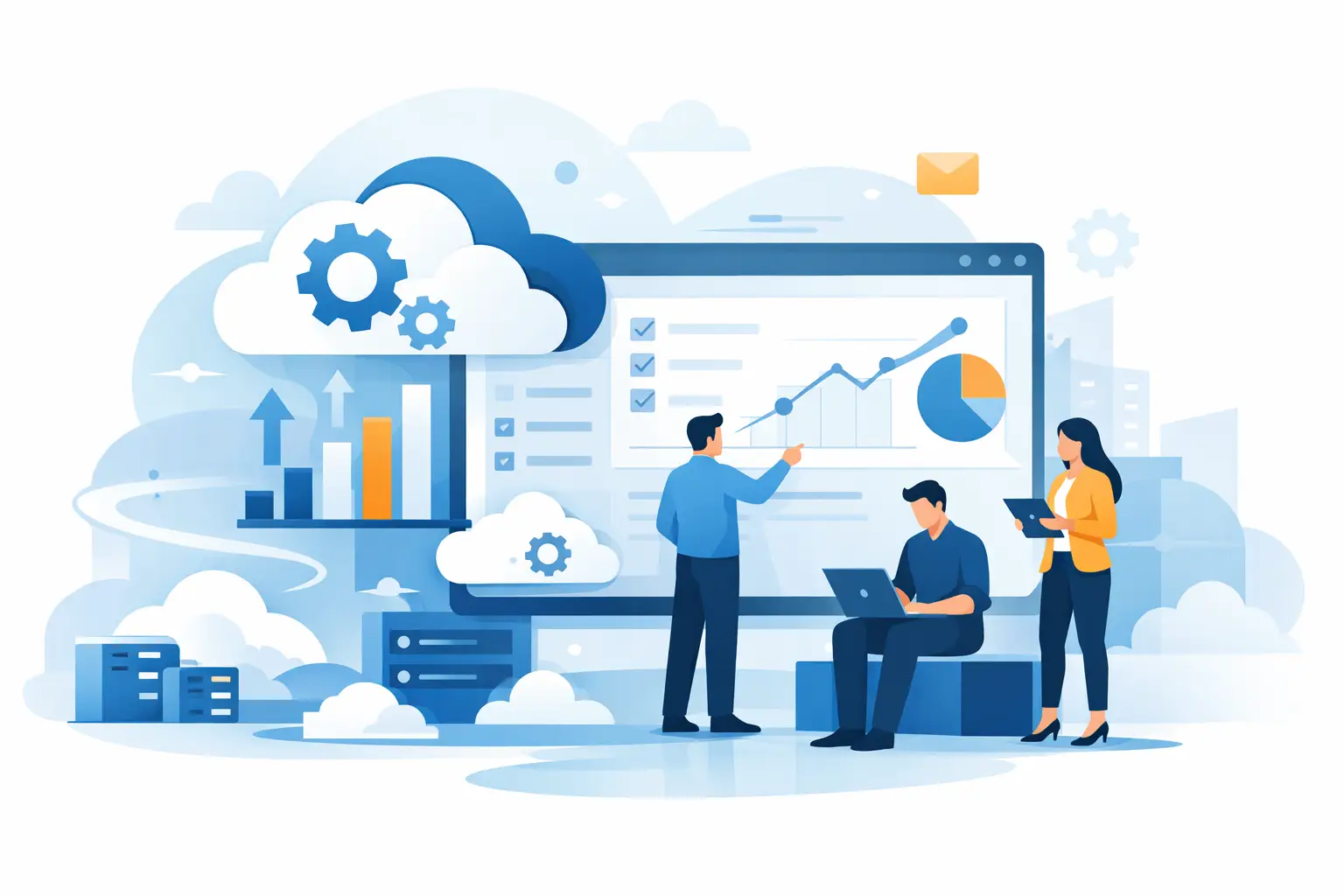
The future of SAP operations management depends on moving away from fragmented oversight. Teams need a clearer operating picture that connects business process health, integration status, job monitoring, exception handling, and user impact. If those signals live in separate places, response slows down and ownership becomes unclear.
This is one reason SAP Cloud ALM is gaining importance. It gives SAP-focused organizations a more purpose-built way to manage implementation and operations in cloud environments. That does not mean every legacy process disappears overnight. In many cases, it means creating a phased transition where operational standards improve first, and tool consolidation follows.
The future of SAP operations management will be proactive
The biggest change ahead is not cosmetic. It is the move from reactive support to proactive operations.
In a reactive model, teams wait for a ticket, a failed interface, a business complaint, or a backlog of alerts that someone eventually reviews. In a proactive model, operations is designed to detect patterns before they become service disruptions. Monitoring is tied to thresholds that matter, business process exceptions are visible earlier, and teams know which events require action and which do not.
That sounds straightforward, but execution is where many organizations get stuck. Too many alerts create fatigue. Overly generic dashboards create false confidence. And if monitoring is not mapped to business-critical processes, teams may be watching infrastructure while missing the transaction failures users actually care about.
This is where specialist operating design matters. The right future-state model is not simply more monitoring. It is better monitoring, configured around real service priorities, clear escalation paths, and operational roles that can act on what they see.
Why SAP Cloud ALM is central to that future
SAP Cloud ALM is increasingly central because it reflects where SAP landscapes are headed. It supports a cloud-oriented approach to implementation governance and operational monitoring, and it is designed to help organizations standardize how they observe and manage SAP-centric services.
For operations teams, that matters in practical ways. It creates a stronger foundation for health monitoring, integration monitoring, job and automation oversight, and business process visibility. It also gives leadership a more consistent way to view operational performance across programs and environments.
There is a trade-off, though. Adopting SAP Cloud ALM effectively requires design decisions, administration discipline, and operational adoption. Organizations that assume value will appear immediately after activation often underuse it. The platform is powerful, but outcomes depend on how well monitoring scenarios are configured, how responsibilities are assigned, and whether teams are trained to use it as part of daily operations.
Data quality and context will matter more than raw alert volume
As SAP environments generate more operational data, the winning teams will not be the ones collecting the most signals. They will be the ones creating the most useful context.
A future-ready operations function needs to answer a few questions quickly. What happened? Who owns it? What business process is affected? How urgent is it? What changed recently? If monitoring cannot support those answers, operations remains slower than it should be.
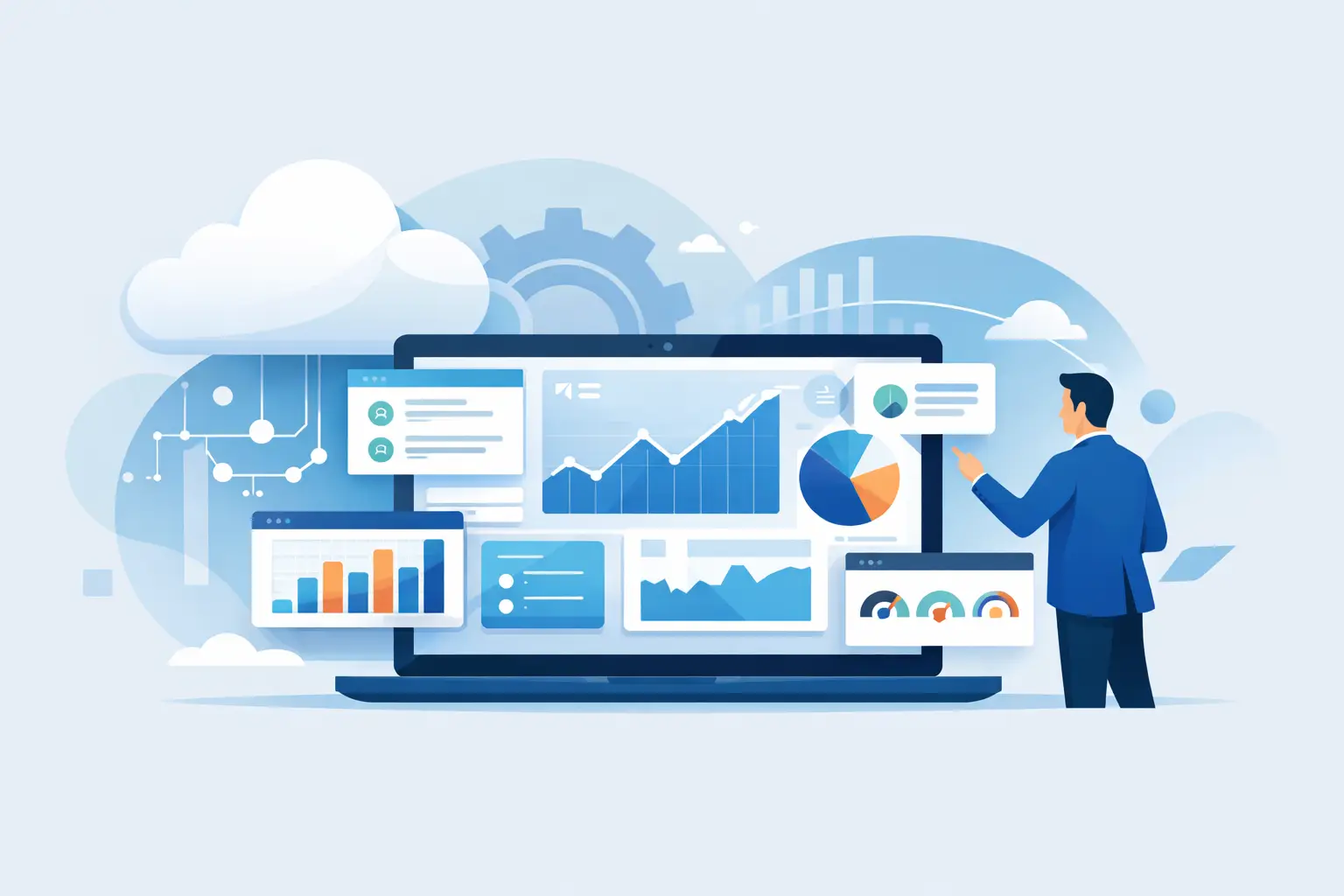
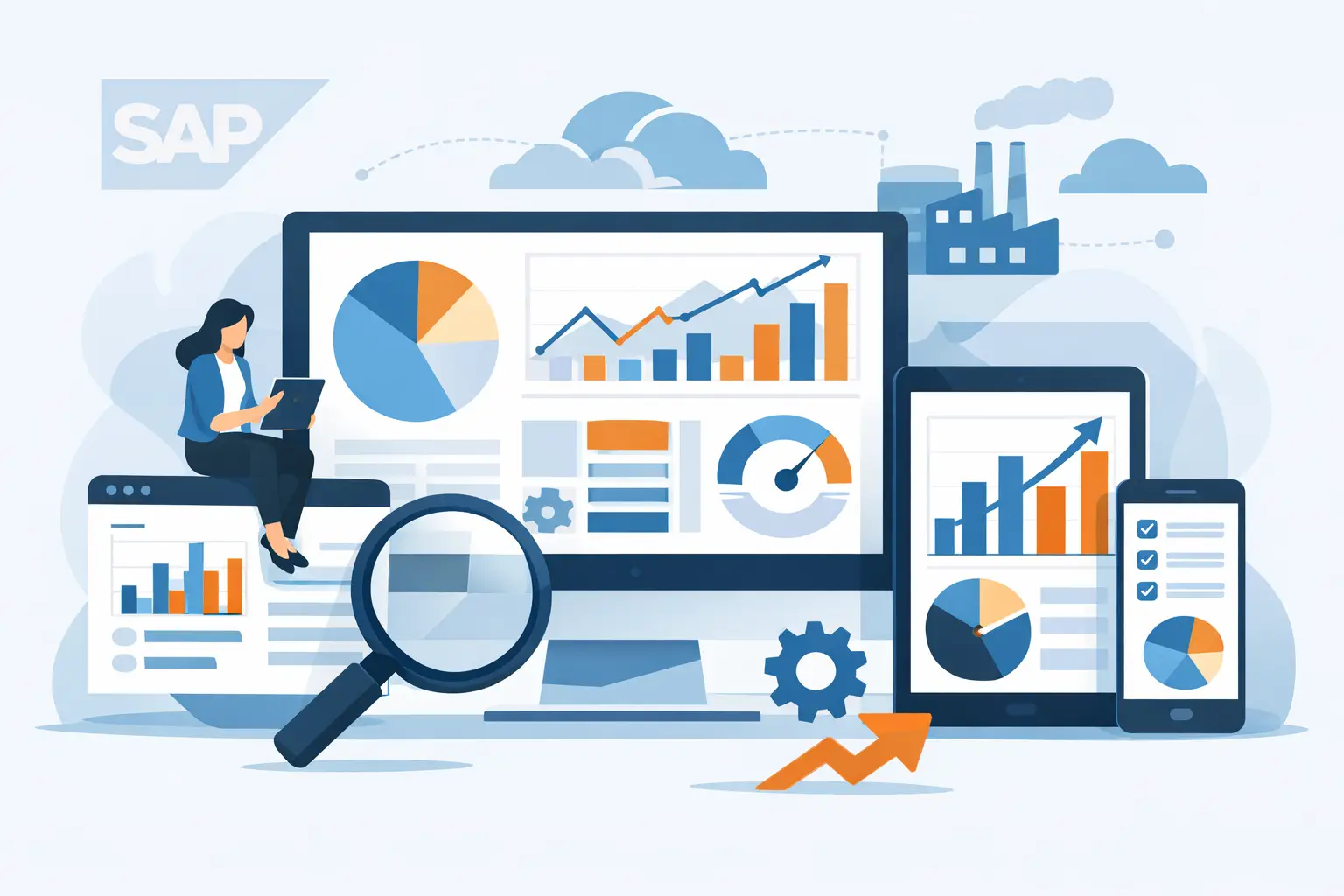
That is why the future of SAP operations management is closely tied to observability discipline. Metrics alone are not enough. Teams need event correlation, service context, trend analysis, and dashboards that separate critical risks from background noise. In many organizations, this also means extending operational visibility with tools such as Grafana, SPLUNK, or SAC where deeper reporting and cross-landscape insights are needed.
The goal is not to replace SAP-native capabilities for the sake of it. The goal is to create an operating model where SAP Cloud ALM provides structured SAP-centric monitoring, while adjacent analytics tools add the visibility leadership and support teams need for action and continuous improvement.
Operations teams will need new roles and habits
Technology will change, but operating behavior will matter just as much. The future of SAP operations management is also about how teams work.
Many SAP organizations still rely on a small group of experts who carry too much operational knowledge in their heads. That creates risk during transformations, handoffs, and support transitions. Future-state operations needs clearer ownership models, better runbooks, and stronger coordination between technical and process teams.
This usually means a few practical shifts. Monitoring ownership has to be defined, not assumed. Alert review needs cadence and accountability. Escalation routes should reflect business impact, not just system hierarchy. And training cannot stop at tool activation, because operational maturity comes from repeated use, tuning, and governance.
For leadership, this changes the conversation from tool deployment to operational adoption. A dashboard is not an outcome. Faster issue resolution, fewer blind spots, cleaner transitions to steady-state support, and improved service reliability are outcomes.
AI will influence operations, but governance will decide its value
AI will shape SAP operations, especially in alert analysis, anomaly detection, pattern recognition, and recommendations. That said, most organizations are still in the early stages of figuring out where AI adds value versus where it simply adds another layer of output to review.
The practical near-term opportunity is not full automation of SAP operations. It is assisted operations. Teams can use AI-supported insights to identify recurring failures, prioritize incidents, and surface probable root causes faster. Over time, some response patterns may be automated safely, particularly in low-risk and repeatable scenarios.
But this only works if the operational foundation is already sound. Poorly configured monitoring, inconsistent naming, weak ownership, and noisy data will limit what AI can improve. Governance comes first. Organizations that skip that step may end up with faster confusion rather than faster resolution.
What leaders should do now
For most SAP-driven organizations, the next step is not a wholesale reinvention of operations. It is a structured maturity move.
Start by evaluating whether current monitoring reflects business-critical services or just technical components. Then assess where visibility is fragmented across tools, teams, or support providers. From there, define the operational role SAP Cloud ALM should play across implementation, post-go-live support, and steady-state operations.
This is also the stage where specialist guidance can accelerate outcomes. A focused partner such as CloudALMexperts can help organizations avoid the common gap between activation and adoption by aligning configuration, dashboards, administration, and training with real operational goals.
The organizations that will lead here are not necessarily the ones with the biggest SAP teams. They are the ones that treat operations as a managed capability, not an afterthought. As SAP landscapes become more connected and cloud-dependent, that distinction will only become more visible.
The future belongs to SAP operations teams that can see more, interpret faster, and respond with discipline.