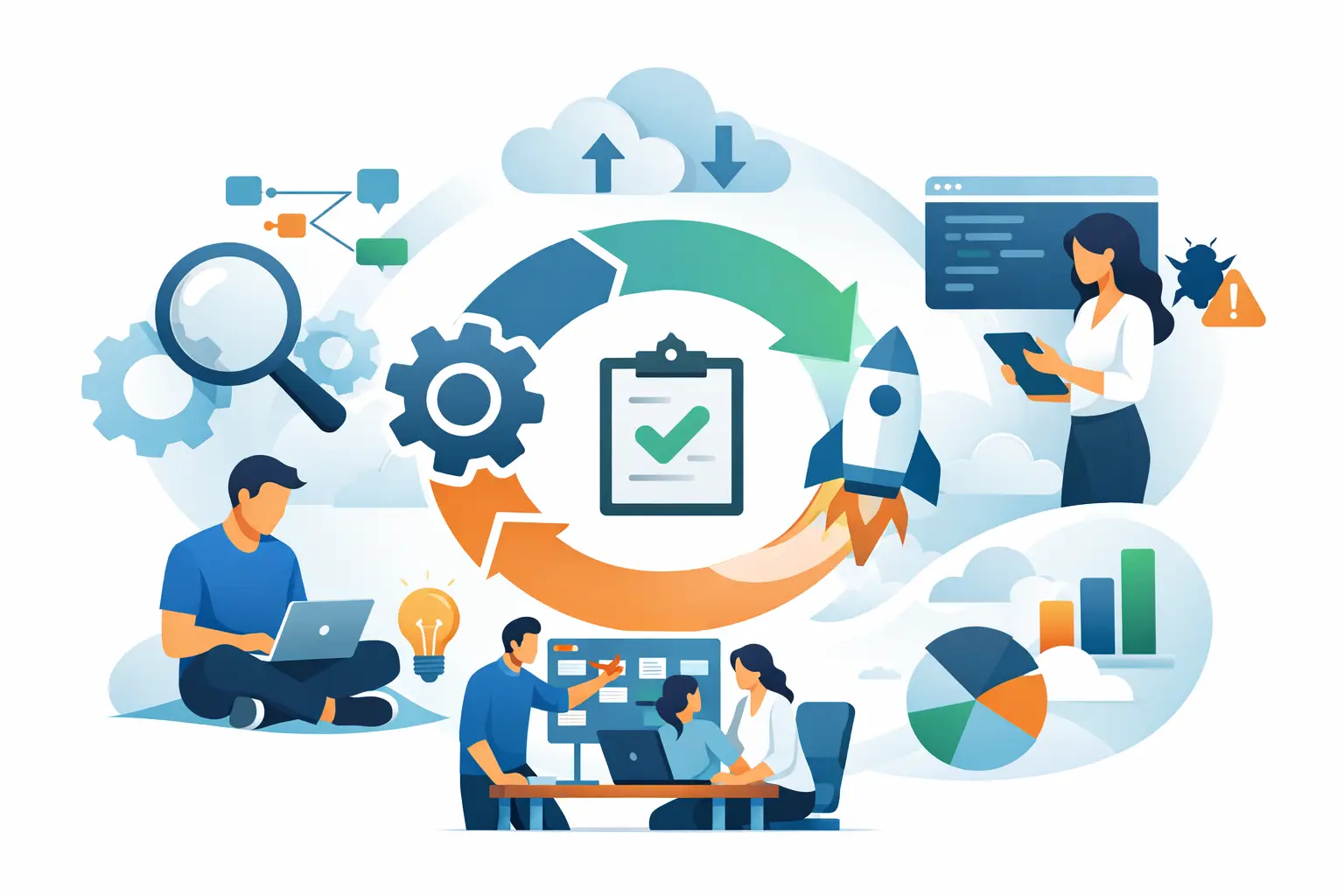
A transition project rarely fails because the platform is weak. It usually fails because ownership is vague, operational design starts too late, and the handoff from project to support is treated as an afterthought. In SAP environments, that kind of transition risk shows up fast – missed alerts, unclear responsibilities, poor test governance, and teams working outside the tool that was meant to bring structure.
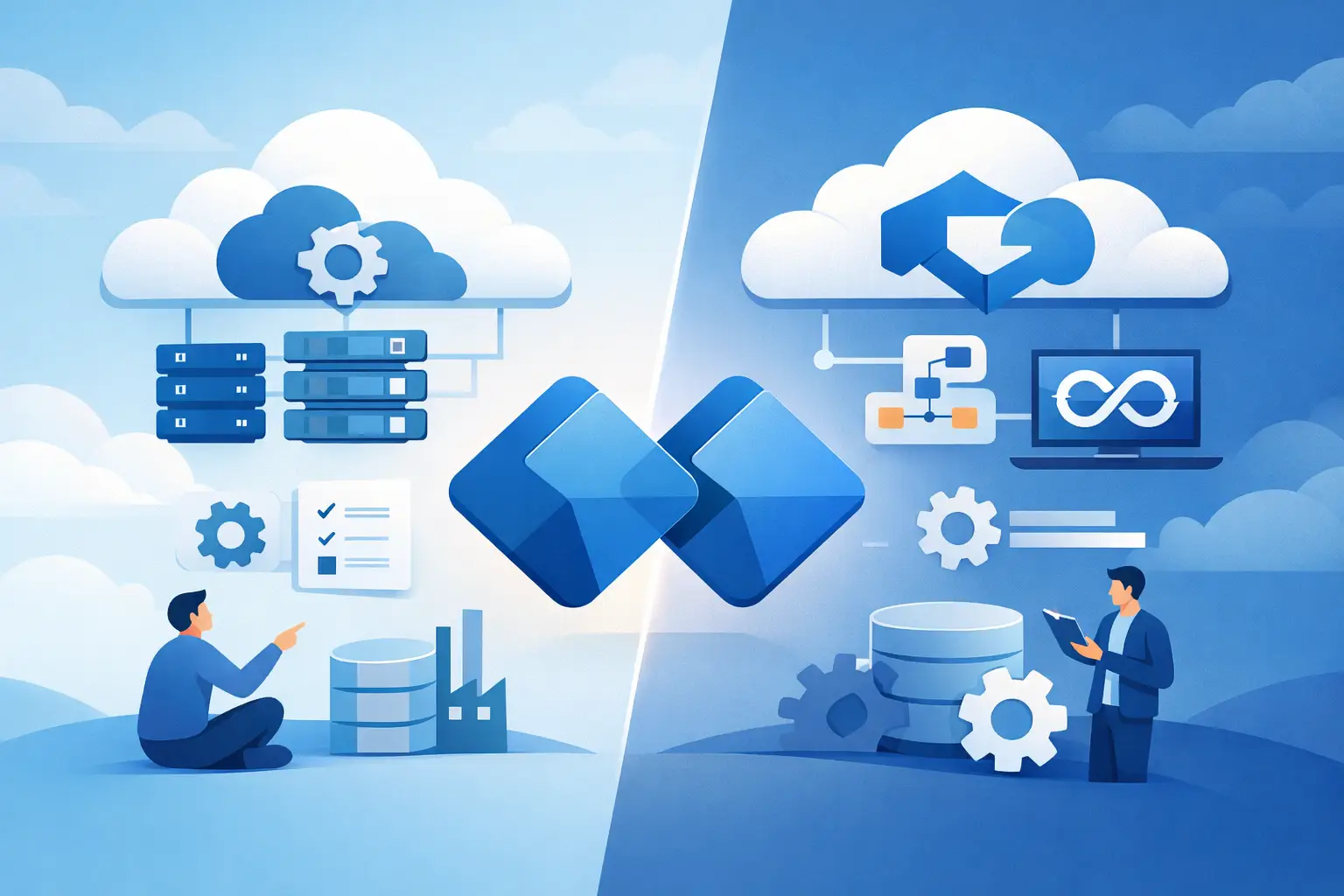
For organizations adopting SAP Cloud ALM, transition is not a single milestone. It is a managed shift from legacy ALM habits, disconnected spreadsheets, and fragmented monitoring into a more disciplined cloud operating model. That shift touches implementation governance, operational monitoring, service processes, administration, and user adoption. If any one of those areas is skipped, the result is usually the same: the platform is technically live, but the business is not truly ready to run on it.
Why transition becomes difficult
Most SAP leaders understand the strategic case for SAP Cloud ALM. The challenge is not whether the tool belongs in the landscape. The challenge is how to move from the current state to a stable future state without creating noise, confusion, or operational blind spots.
That difficulty usually starts with timing. Many teams wait until late in the program to define how SAP Cloud ALM will be used after go-live. By then, project teams are focused on deadlines, cutover, and issue resolution. Operational teams are asked to inherit a platform, processes, and dashboards they did not help shape. That is not a transition plan. It is a transfer of risk.
Another common issue is assuming that implementation and operations are separate tracks. In reality, they are tightly connected. Decisions made during fit-to-standard workshops, testing, deployment planning, and integration setup will directly affect how well the environment can be monitored and governed later. If transition planning is not built into the implementation phase, teams often end up retrofitting controls after go-live.
There is also a people factor. SAP Cloud ALM introduces new ways of working, not just new screens. Program managers need transparency. Basis and operations teams need actionable monitoring. Service teams need process discipline. Business stakeholders need confidence that issues will be visible and handled. Transition succeeds when those needs are aligned early.
What a strong transition looks like
A strong transition starts with a clear operating model. That means defining who owns SAP Cloud ALM administration, who manages monitoring thresholds, who governs project artifacts, who triages incidents, and who is responsible for continuous improvement after go-live. Without that structure, the platform can quickly become underused or inconsistently managed.
It also requires a practical scope. Not every capability needs to be activated on day one. Some organizations benefit from a focused start with implementation governance, health monitoring, and core administration, then expand into service and advanced analytics once the foundation is stable. Others need a broader rollout because of scale, compliance, or a complex application landscape. The right transition approach depends on business urgency, internal maturity, and the level of operational change already underway.
Good transition planning also addresses data, integrations, and reporting expectations. Executives may want dashboards. Operations teams may want correlation across tools such as Grafana, SPLUNK, or SAC. Delivery teams may need traceability from requirements to testing. Those needs should be designed intentionally, not added reactively once users start asking why visibility is incomplete.
Transition planning should start before go-live
The best time to plan transition is during the implementation journey, not after it. That is when organizations can define process ownership, establish administration standards, confirm monitoring requirements, and train the teams that will live with the platform long term.
In practice, this means transition workshops should happen alongside implementation activities. Teams should validate what needs to be monitored, which alerts matter, how escalations will work, what service processes are in scope, and how reporting will support both leadership and daily operations. If these decisions are postponed, go-live may happen on schedule while operational readiness falls behind.
Training is another area that often gets compressed. A few sessions at the end of a project are rarely enough. Different user groups need different enablement. Program leads need governance visibility. Administrators need configuration discipline. Operations teams need hands-on familiarity with monitoring, event handling, and response workflows. Transition is much smoother when training is role-based and tied to real scenarios.
Transition in SAP Cloud ALM is an operating model change
This is the point many organizations underestimate. Transition in SAP Cloud ALM is not only a tool deployment. It is a change in how SAP landscapes are governed and supported.
That matters because old habits tend to survive new platforms. Teams may continue to manage issues in email, track actions in spreadsheets, or rely on tribal knowledge instead of defined workflows. When that happens, SAP Cloud ALM becomes a reference system rather than the system of execution. The platform is present, but the behavior has not changed.
A better approach is to define the minimum behaviors that must move into the platform from day one. For example, project tracking, core monitoring, alert ownership, and agreed reporting views should not remain optional. Adoption grows when users can see that the platform is where work is organized, status is visible, and accountability is clear.
This is where a specialist partner can make a measurable difference. CloudALMexperts, for example, focuses on helping SAP organizations move from planning through implementation and into operational adoption with a structured, hands-on model. That kind of specialization matters when transition risk is tied to execution detail rather than broad strategy.
Common transition mistakes to avoid
One mistake is overengineering the first release. It is tempting to activate every available feature and design every dashboard upfront. In reality, too much complexity at the start can slow adoption and blur ownership. A controlled rollout usually performs better.
Another mistake is treating administration as a minor task. SAP Cloud ALM needs governance, user management, configuration oversight, and ongoing attention. If administration is left undefined or spread informally across teams, quality will drift over time.
Organizations also run into trouble when monitoring is configured without operational context. A dashboard can look complete and still fail the business if alerts are not meaningful, thresholds are poorly set, or no one knows what action to take when an issue appears. Monitoring value comes from relevance and response, not from volume.
Finally, many teams underestimate the handoff between implementation and operations. If the support organization is not involved early, it inherits decisions it did not influence. That often leads to rework, weak adoption, and avoidable friction after go-live.
How to reduce transition risk
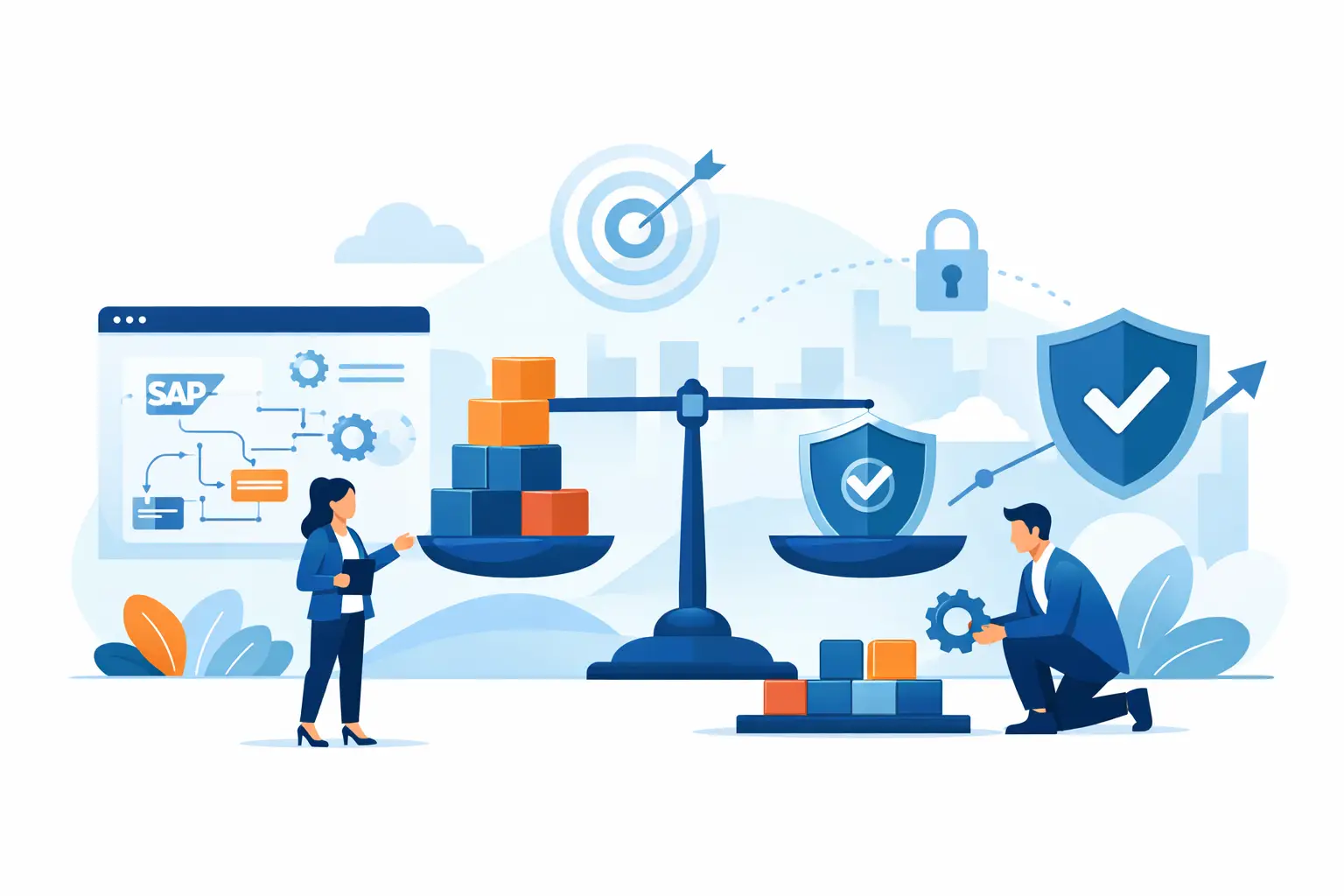
Reducing transition risk starts with clarity. Define the target operating model, the initial scope, the ownership structure, and the adoption plan before the platform becomes business-critical. Be explicit about what success looks like 30, 60, and 90 days after go-live.
It also helps to sequence the work realistically. Core monitoring, governance, and administration usually deserve priority because they establish control. From there, organizations can extend into broader service processes, tailored dashboards, and deeper analytics based on actual usage patterns.
Executive sponsorship matters, but middle-layer ownership matters just as much. Program managers, SAP operations leads, and platform administrators are the people who turn transition design into daily execution. If they are aligned, the platform gains traction. If they are not, adoption stalls even when leadership support is strong.
Most of all, treat transition as a business readiness effort, not a technical checkpoint. The question is not whether SAP Cloud ALM has been configured. The question is whether your teams can rely on it to govern change, monitor health, and support operations with confidence.
That is the standard worth aiming for. A well-managed transition does more than move you onto a new platform – it gives your SAP organization a clearer way to implement, operate, and improve over time.